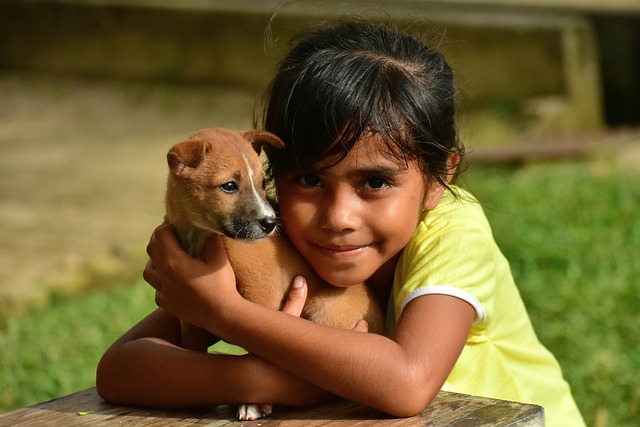
Understanding the reasons behind your puppy’s biting is essential. Puppies often bite during play as a form of exploration or excitement. They may not yet understand the limits of their behavior. It’s important to recognize that this is a natural behavior for puppies, but establishing boundaries is necessary to prevent it from becoming problematic. The key is to intervene early and consistently without resorting to negative reinforcement.
Recognizing Playful Biting
Playful biting is a natural behavior for puppies, often stemming from their instincts to explore and engage with their environment. Puppies use their mouths to learn about their surroundings and interact with their littermates. However, it’s vital to differentiate between playful bites and more aggressive behavior. Watch for signs of overstimulation, such as growling or snapping, which indicate that the play has escalated beyond acceptable limits.
To manage this behavior, observe your puppy’s body language during play. If your puppy becomes overly excited or begins to bite harder, it’s time to intervene. Redirect their attention with a toy or engage them in a different activity to help them release pent-up energy without resorting to biting your hands. Consistent observation will help you gauge when to step in and redirect effectively.
Effective Redirection Techniques
To stop your puppy from biting hands, effective redirection techniques are essential. When your puppy starts to nip, immediately provide a suitable chew toy or engage in a different play activity. This not only distracts them from biting but also reinforces the idea that toys are for chewing, while hands are not. Consistency in this approach is crucial for success.
Consider using different types of toys to find what your puppy prefers. Soft, squeaky toys or tougher rubber toys can be excellent options. When your puppy bites the toy instead of your hands, praise them enthusiastically to reinforce the positive behavior. This positive feedback helps them associate chewing the toy with rewards, further encouraging the desired behavior.
Using Positive Reinforcement
Positive reinforcement is a powerful tool in training your puppy to stop biting. Whenever your puppy chooses to play with their toys instead of your hands, reward them with treats or praise. This helps build a positive association with the appropriate behavior and encourages them to repeat it in the future.
Timing is critical when using positive reinforcement; reward your puppy immediately after they engage in the desired behavior. This immediate feedback helps them connect the action with the reward. Additionally, avoid using harsh corrections, as these can create fear and mistrust, making training more difficult. Instead, focus on creating a positive and rewarding training environment.
Setting Boundaries and Limits
Establishing clear boundaries is essential to prevent biting during play. Make it clear to your puppy that biting hands is unacceptable. If your puppy bites, let out a firm “no” and immediately stop interacting with them. This teaches them that biting leads to the end of fun and playtime.
Be consistent in your responses to biting behavior. Every family member should use the same commands and responses to ensure your puppy receives a uniform message. Setting these boundaries helps your puppy understand the limits of acceptable behavior and encourages them to engage in play appropriately.
Frequently Asked Questions
Why does my puppy bite my hands during play?
Puppies often bite during play as a natural way to explore their environment and engage with their owners.
What should I do if my puppy bites too hard?
If your puppy bites too hard, immediately stop play and redirect their attention to a toy to reinforce appropriate behavior.
How can I teach my puppy not to bite?
Use redirection techniques, positive reinforcement, and consistent boundaries to teach your puppy not to bite.
Is it normal for puppies to bite?
Yes, it is normal for puppies to bite as they explore their environment and play, but it should be managed appropriately.
When should I start training my puppy to stop biting?
Begin training your puppy to stop biting as soon as you bring them home to establish good habits early.
Conclusion
Stopping your puppy from biting during play is essential for ensuring safe and enjoyable interactions. By redirecting their attention to appropriate toys, using positive reinforcement, and setting clear boundaries, you can effectively teach your puppy what is acceptable behavior. Consistency is crucial in this process, as it helps reinforce the lessons learned. Remember to be patient and persistent, as changing behavior takes time. With dedication and the right techniques, you can foster a positive play environment for both you and your puppy.