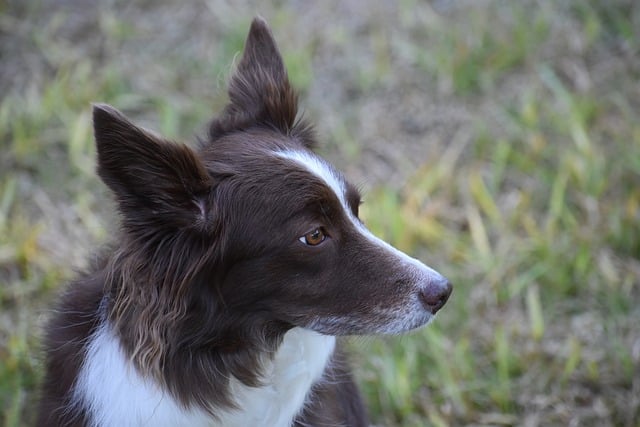
Training a puppy to sit and stay involves using clear commands and rewards effectively. Begin by holding a treat above your puppy’s nose and moving it back over their head, encouraging them to sit. Once they are in the sitting position, immediately reward them with the treat and praise. After establishing the sit command, introduce the stay command by asking your puppy to sit first, then saying ‘stay’ while gradually increasing the distance between you and your puppy.
It’s important to remain patient, as puppies may take time to grasp the concept of staying in place. Consistency is crucial; practice the commands several times a day in short sessions to reinforce learning. If your puppy breaks the stay command, gently guide them back to the original position and repeat the command. Avoid scolding, as this can create anxiety and hinder progress.
Understanding the Sit Command
The sit command is foundational for good behavior in puppies. It not only helps in managing their actions but also lays the groundwork for more advanced commands. When teaching this command, ensure your puppy is focused and not distracted. Use a calm and authoritative tone to convey your expectations.
Many owners make the mistake of rushing the training process. Instead, take your time to ensure your puppy fully understands the command before moving on. Additionally, rewarding them immediately after they sit reinforces the behavior, making it more likely they will repeat it.
Implementing the Stay Command
Once your puppy has mastered the sit command, you can introduce the stay command. Start by having them sit, then say ‘stay’ while holding your hand out, palm facing them. Gradually increase the duration they must remain seated before you reward them.
Common pitfalls include moving too far away too quickly or not rewarding the puppy consistently. Each time your puppy successfully stays in position, praise them and provide a treat. This will build their confidence and understanding of the command.
Common Mistakes to Avoid
One of the biggest mistakes owners make is using the ‘stay’ command too soon. Puppies need to grasp the concept of sitting before they can learn to stay. Additionally, avoid using harsh corrections if they fail to stay; instead, redirect them calmly.
Another common error is failing to practice in various environments. Training should occur in multiple settings to help your puppy generalize the command. This prevents them from associating the command with just one location.
Building Duration and Distance
Once your puppy understands the sit and stay commands, it’s time to increase the challenge. Start by increasing the duration they must stay before receiving a reward. Gradually add distance by stepping away a few feet before returning to reward them.
Remember to be patient and consistent. If your puppy breaks the stay too often, reduce the distance or duration to ensure they succeed. Celebrate small victories to keep them motivated.
Frequently Asked Questions
What age should I start training my puppy?
You can start training your puppy as early as 8 weeks old. Early training helps establish good habits.
How long should training sessions last?
Training sessions should be short, around 5 to 10 minutes, to keep your puppy engaged and prevent frustration.
Can I use treats for training?
Yes, treats are a great way to motivate your puppy during training. Just ensure they are healthy and appropriate for their size.
What if my puppy doesn’t respond to commands?
If your puppy isn’t responding, check for distractions and ensure you are using clear commands. It may also help to practice in a quieter environment.
How can I make training more fun for my puppy?
Incorporate playtime and varied locations into your training. This keeps sessions engaging and helps your puppy learn in different environments.
Conclusion
Training your puppy to sit and stay is not only essential for their safety but also fosters a strong bond between you and your dog. Focus on clear communication, consistent practice, and positive reinforcement to achieve lasting results. Remember to keep training enjoyable and adapt to your puppy’s pace to ensure they remain enthusiastic about learning.