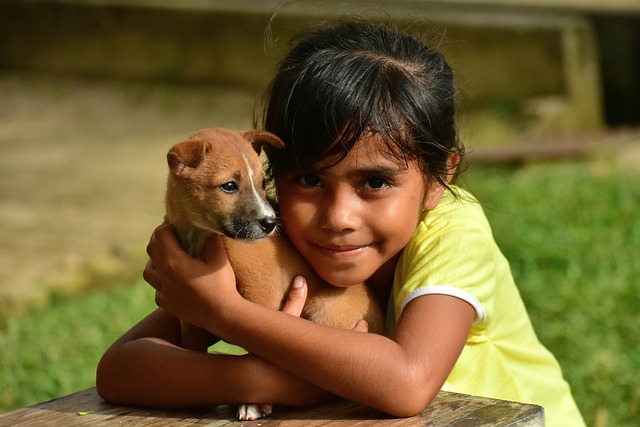
Effective potty training for new puppy owners hinges on establishing a consistent routine and using positive reinforcement techniques. Puppies thrive on predictability, so setting regular times for bathroom breaks helps them learn when and where to go. Accidents are part of the process, and understanding this can alleviate frustration as your puppy learns the ropes.
Puppies, especially those under six months, have limited control over their bladders and bowels, so accidents are likely to happen. It’s essential to remain patient and consistent while providing guidance.
Understanding Your Puppy’s Needs
To effectively potty train your puppy, it’s crucial to understand their physical and behavioral needs. Puppies typically need to relieve themselves after waking up, eating, or playing. Recognizing these signs can help you anticipate when your puppy needs to go outside. Watch for cues like sniffing, circling, or whining, which often indicate they need to relieve themselves.
Each puppy is different, and their needs may vary based on age, breed, and health. Smaller breeds, for instance, may need more frequent breaks due to their smaller bladders. Be mindful of these differences as you develop your training strategy.
Establishing a Potty Schedule
Creating a consistent potty schedule is fundamental for successful training. Take your puppy outside first thing in the morning, after meals, after playtime, and before bedtime. This routine helps your puppy learn when to expect bathroom breaks and reinforces the habit of going outdoors.
Additionally, try to take your puppy to the same spot each time. The familiar scent will encourage them to go. If your puppy is hesitant, you may need to wait patiently until they feel comfortable enough to relieve themselves. Consistency will help them understand what is expected.
Positive Reinforcement Techniques
Positive reinforcement is one of the most effective methods for potty training. When your puppy successfully goes outside, immediately reward them with praise, petting, or a small treat. This encourages them to repeat the behavior in the future.
Avoid punishment for accidents, as this can create fear and confusion. Instead, clean up any messes promptly and without fuss. If you catch your puppy in the act indoors, interrupt them with a firm but calm “no” and take them outside to finish. Reward them if they do.
Common Mistakes to Avoid
New puppy owners often fall into several traps that can hinder successful potty training. One significant mistake is not being consistent with the schedule or the reward system. Inconsistency can confuse your puppy and slow down their progress.
Another common error is assuming that once a puppy has learned where to go, they won’t have accidents again. Remember, puppies are still learning and may regress, especially during stressful situations or changes in their environment. Stay patient and maintain your training routine.
Frequently Asked Questions
What is the best age to start potty training my puppy?
The best age to start potty training your puppy is typically around 12 weeks, as they begin to gain better control over their bladders.
How long does it take to potty train a puppy?
Potty training can take anywhere from a few weeks to several months, depending on the puppy’s age, breed, and consistency in training.
What should I do if my puppy has an accident indoors?
Remain calm and clean up the mess without scolding your puppy. Instead, take them outside to reinforce the desired behavior.
How often should I take my puppy outside?
Puppies should be taken outside every 1-2 hours, especially after meals, playtime, and waking up.
Can I use puppy pads during training?
Yes, puppy pads can be useful for indoor training, but they may confuse your puppy about where it is acceptable to go.
Conclusion
Potty training your puppy is a vital part of their development that requires consistency, patience, and positive reinforcement. By establishing a routine, understanding your puppy’s needs, and avoiding common pitfalls, you can create a successful training environment. Remember that accidents will happen, and maintaining a calm approach will help your puppy learn effectively. Focus on rewarding good behavior, and you will see progress in no time.