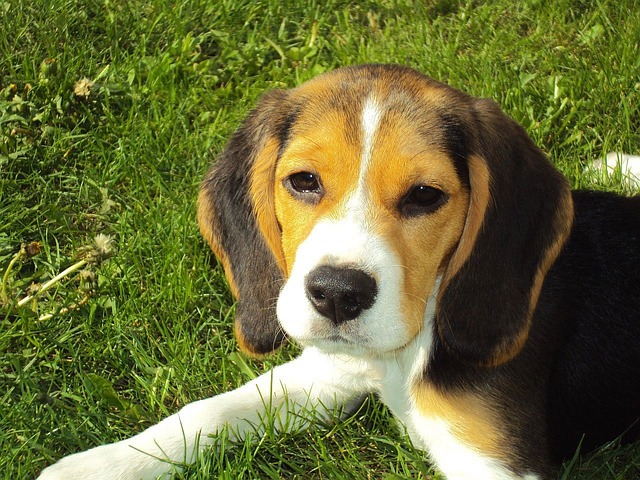
To stop a puppy from chewing on shoes, redirect their attention to appropriate chew toys and reinforce this behavior with praise. Chewing is often a result of boredom, teething, or the exploration of their environment, making it crucial to provide engaging alternatives. By consistently discouraging this behavior while offering suitable toys, you can effectively reduce the likelihood of your puppy chewing on your shoes.
Many puppy owners mistakenly believe that simply scolding their puppy will solve the problem, but this approach often leads to confusion and anxiety for the dog. Instead, proactive measures that focus on prevention and redirection are more effective. For instance, ensuring your puppy has plenty of exercise and mental stimulation can significantly decrease their desire to chew on inappropriate items. Establishing a routine that includes playtime, training sessions, and walks can help reduce boredom and the urge to chew.
Understanding Why Puppies Chew
Puppies chew for various reasons, including teething discomfort, boredom, and curiosity about their environment. Understanding these motivations is essential for addressing the issue effectively. Chewing is a natural behavior for dogs, and they often explore the world through their mouths. Recognizing this can help you approach the problem with the right solutions.
When a puppy is teething, they may seek relief by chewing on anything available, including shoes. Additionally, if they are left alone for extended periods without proper stimulation, they may resort to chewing as a way to entertain themselves. Providing appropriate chew toys and engaging activities can help mitigate these urges.
Redirecting Chewing Behavior
The most effective way to stop a puppy from chewing on shoes is to redirect their behavior towards acceptable items. Invest in a variety of chew toys that cater to your puppy’s preferences, whether they prefer soft toys, rubber toys, or those designed for teething. Offering these alternatives consistently will help reinforce positive chewing habits.
When you catch your puppy in the act of chewing on shoes, calmly redirect them to their toys without yelling or scolding, as this may create anxiety. Praise them when they choose their toys instead, reinforcing the desired behavior. This method not only helps stop the shoe chewing but also builds a stronger bond between you and your puppy.
Common Mistakes to Avoid
A common mistake many puppy owners make is leaving shoes accessible to their pets. Ensure that shoes are stored out of reach, especially when you cannot supervise your puppy. This helps prevent them from developing a habit of chewing on your footwear.
Another mistake is using deterrent sprays without addressing the underlying cause. While these sprays can deter chewing, they do not solve the boredom or anxiety that might lead to the behavior. Focus on providing engaging activities and appropriate toys instead.
Creating a Puppy-Friendly Environment
To effectively prevent your puppy from chewing on shoes, creating a puppy-friendly environment is essential. Ensure that your home is filled with engaging toys and activities that can keep your puppy occupied. Rotate their toys regularly to maintain their interest and prevent boredom.
Additionally, consider establishing a designated space for your puppy, such as a crate or a playpen, where they can feel safe and secure. This can help reduce anxiety and the urge to chew on your belongings. Training your puppy to enjoy their space can lead to a more harmonious home environment.
Frequently Asked Questions
What should I do if my puppy keeps chewing on my shoes?
Redirect your puppy to chew toys and reinforce this behavior with praise. Consistency is key in helping them learn which items are acceptable to chew.
How can I prevent my puppy from chewing on my shoes when I’m not home?
Keep shoes out of reach and provide engaging toys to keep your puppy occupied. Consider using a crate or a playpen to create a safe space when you are away.
Are there specific types of chew toys that work best?
Choose toys that are appropriate for your puppy’s age and chewing style. Soft rubber toys, teething rings, and durable plush toys are often effective.
Is it too late to train my puppy to stop chewing on shoes?
No, it’s never too late to train your puppy. With consistent redirection and positive reinforcement, you can change their chewing habits at any age.
Should I use deterrent sprays on my shoes?
While deterrent sprays can help, they should not be the only method. Focus on providing engaging alternatives and addressing the root cause of the chewing behavior.
Conclusion
Stopping your puppy from chewing on shoes requires understanding their motivations and redirecting their behavior towards appropriate alternatives. By providing engaging chew toys, creating a puppy-friendly environment, and maintaining consistent training, you can effectively curb this behavior. Remember that patience and positive reinforcement are essential components of successful training. With time and effort, you can help your puppy develop healthier chewing habits while preserving your footwear.