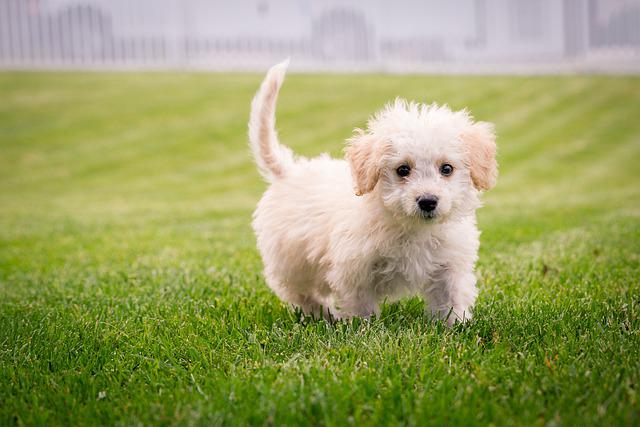
Training a puppy to listen outside requires a systematic approach that combines consistency and positive reinforcement. Start by establishing a routine that includes basic commands, such as sit, stay, and come. Use high-value treats or praise to reward your puppy for following commands, ensuring that the training sessions are enjoyable and engaging.
One of the primary challenges is the multitude of distractions present outdoors, which can make it difficult for your puppy to focus. Begin your training in a quiet area with minimal stimulation, gradually introducing your puppy to busier environments as their listening skills improve. This step-by-step approach helps them learn to concentrate amidst distractions, which is crucial for their development.
Understanding Distractions in Outdoor Training
Distractions are a significant factor that can hinder a puppy’s ability to listen outdoors. Common distractions include other animals, people, and environmental noises. Recognizing these distractions is vital for effective training. By observing your puppy’s behavior, you can identify what tends to divert their attention.
To mitigate distractions, start training in a controlled environment before moving to more stimulating locations. This strategy helps build your puppy’s confidence and listening skills, allowing them to gradually adapt to the outside world. By focusing on one distraction at a time, you can help your puppy learn to ignore these stimuli and concentrate on your commands.
Essential Commands for Outdoor Training
Basic commands form the foundation of a puppy’s training. Commands such as sit, stay, and come are essential for ensuring your puppy listens outside. Teaching these commands in a distraction-free environment allows your puppy to grasp the concepts before applying them outdoors.
When practicing these commands, use a firm but friendly tone to reinforce your expectations. Consistently rewarding your puppy for obeying commands helps solidify their understanding. Incorporate outdoor training sessions into your routine to familiarize your puppy with responding to commands amid distractions, ensuring they learn the importance of listening no matter where they are.
Using Positive Reinforcement Effectively
Positive reinforcement is a powerful tool for training your puppy to listen outside. This technique involves rewarding your puppy for desired behaviors, making them more likely to repeat those behaviors in the future. Use treats, praise, or playtime as rewards to encourage good listening skills.
It’s essential to deliver rewards immediately after your puppy follows a command. This immediate feedback helps them associate the command with the reward, enhancing their motivation to listen. Remember to vary the rewards to maintain your puppy’s interest and engagement during training sessions.
Common Mistakes to Avoid
When training a puppy to listen outside, several common mistakes can impede progress. One of the most significant errors is expecting immediate results. Training takes time, and it’s essential to be patient and consistent in your approach.
Another common mistake is not gradually increasing the level of distractions. Jumping into busy environments too quickly can overwhelm your puppy, making it harder for them to focus. Instead, start in quieter areas and gradually introduce them to more stimulating surroundings as their skills improve.
Frequently Asked Questions
How long does it take to train a puppy to listen outside?
Training duration can vary, but consistent daily practice over several weeks typically yields good results.
What should I do if my puppy doesn’t respond to commands outside?
Return to a quieter environment where your puppy can focus better, and gradually reintroduce outdoor distractions.
Are some breeds easier to train than others?
Yes, some breeds are more responsive to training due to their temperament and intelligence, but all puppies can learn.
How can I make training more fun for my puppy?
Incorporate playtime and varied rewards, such as toys or games, to keep your puppy engaged during training sessions.
What are some signs that my puppy is ready to train outside?
Your puppy should consistently respond to commands in a quiet setting before progressing to outdoor training.
Conclusion
Training your puppy to listen outside is a crucial skill that enhances their safety and strengthens your bond. Prioritize consistent practice in quiet environments, gradually introducing distractions as your puppy becomes more confident. Utilize positive reinforcement techniques to encourage desired behaviors while avoiding common mistakes like rushing the training process. With patience and dedication, your puppy will learn to listen effectively, making outdoor adventures enjoyable and safe.