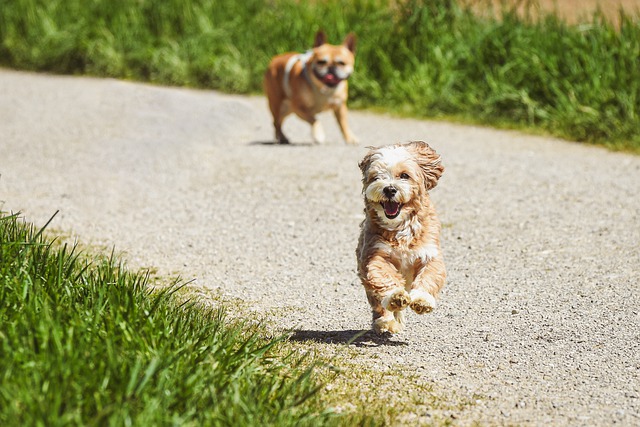
By providing appropriate chew toys and engaging your puppy in interactive play, you can effectively minimize or eliminate this unwanted habit. Additionally, ensuring that your puppy receives ample exercise and mental stimulation can help reduce their urge to bite.
Understanding the triggers behind this behavior is crucial. Puppies may bite ankles out of excitement, frustration, or a need for attention. Addressing these root causes requires consistent training and patience. If you notice your puppy becoming overly excited and starting to nip, redirect their focus to a toy or engage them in a game to channel their energy positively. It’s important to reinforce good behavior with praise or treats, encouraging your puppy to seek appropriate outlets for their energy.
Understanding the Causes of Biting
Puppies often bite ankles as a way to communicate or play. This behavior can be attributed to their natural instincts, such as teething or the desire to engage with their environment. Recognizing when your puppy is most likely to bite can help you take preventive measures. For instance, if your puppy tends to nip during playtime, it might be signaling their excitement or a need for more interaction.
Additionally, lack of exercise can lead to pent-up energy, causing puppies to bite as a release. Regular walks and play sessions can alleviate this excess energy. If you notice your puppy biting out of boredom, consider increasing their daily activity levels or introducing new toys to keep them engaged.
Effective Redirection Techniques
Redirecting your puppy’s biting behavior involves providing them with acceptable alternatives. Whenever you feel your puppy nipping at your ankles, immediately offer a chew toy or engage them in a game of fetch. This teaches them that biting humans is unacceptable, while chewing on toys is appropriate.
Consistency is key in this process. Every time your puppy attempts to bite, redirect them to a toy. Over time, they will learn that toys are the right choice for their chewing needs. Use positive reinforcement, such as praise or treats, when they choose the toy over your ankles. This method builds a positive association with the appropriate behavior.
Training Commands to Discourage Biting
Incorporating basic training commands can be extremely beneficial in curbing biting behaviors. Teaching commands such as “no” or “leave it” can help establish boundaries. When your puppy bites, firmly say “no” and redirect them to a toy. This reinforces the idea that biting results in a negative response.
It’s crucial to practice these commands regularly. Consistent training helps your puppy understand what is expected of them. Pairing verbal commands with hand signals can also enhance their understanding. Remember to always reward your puppy for following commands to strengthen their learning.
The Importance of Socialization
Socializing your puppy is vital in reducing unwanted behaviors, including biting. Exposing them to various environments, people, and other animals helps them learn appropriate ways to interact. During socialization, puppies can learn from their peers, which can discourage biting behavior when they observe other dogs playing appropriately.
Consider enrolling your puppy in a socialization class or arranging playdates with other dogs. This exposure can significantly decrease their tendency to bite as they learn to communicate and play properly. Always supervise these interactions to ensure safety and positive experiences.
Frequently Asked Questions
Why does my puppy bite my ankles?
Puppies often bite ankles due to excitement, playfulness, or boredom. They may also be exploring their environment.
How can I stop my puppy from biting?
Redirect their biting behavior by providing appropriate chew toys and engaging in play. Consistent training is essential.
Is it normal for puppies to bite?
Yes, biting is a normal behavior for puppies as they explore their world and play, but it should be redirected appropriately.
What should I do if my puppy bites too hard?
If your puppy bites too hard, immediately stop play and withdraw attention. This teaches them that biting leads to loss of playtime.
How long does puppy biting last?
Puppy biting typically decreases as they mature, usually around 6 to 12 months, especially with proper training and redirection.
Conclusion
Stopping your puppy from biting ankles requires understanding their behavior and implementing consistent training techniques. By redirecting their biting to appropriate toys, using training commands, and providing ample socialization, you can effectively manage this behavior. Remember to be patient and consistent, as it may take time for your puppy to learn. With dedication, you can foster a well-behaved puppy who knows how to interact appropriately with people.