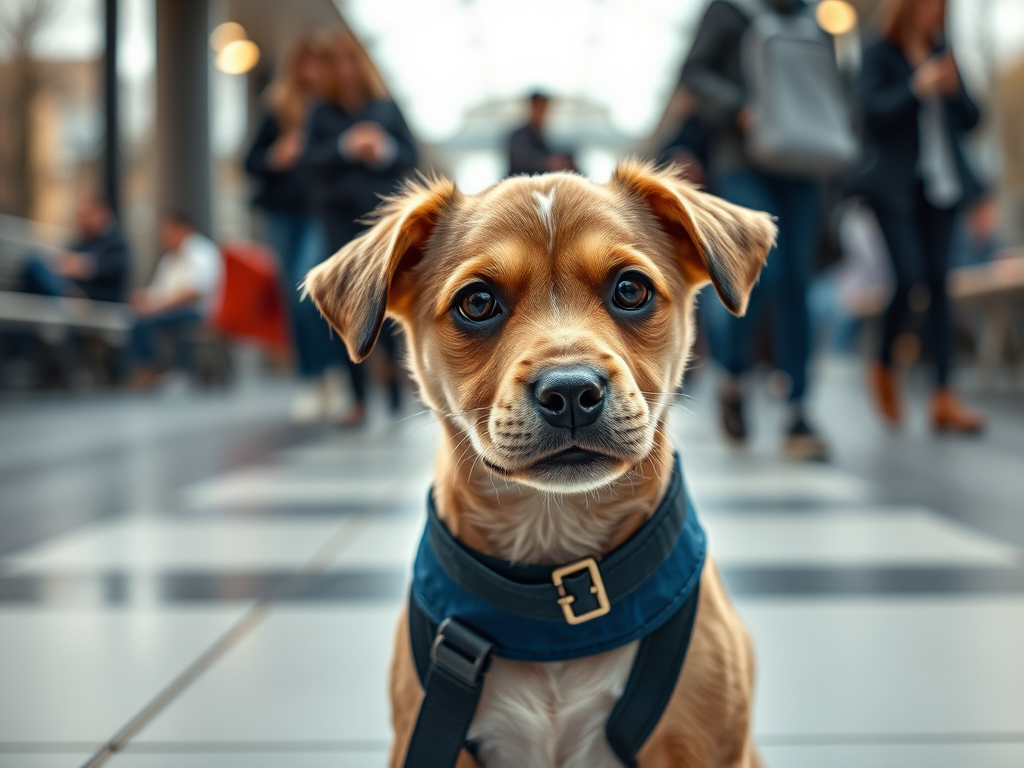
To train a puppy to be calm in public spaces, start by gradually exposing them to various environments while using positive reinforcement techniques. This includes rewarding calm behavior and practicing commands like 'sit' and 'stay' in distracting settings. Ensure to manage your puppy's energy levels before outings, and introduce them to new experiences in a controlled manner to reduce anxiety. Consistency and patience are key to helping your puppy feel secure and relaxed in public.
Understanding Your Puppy’s Behavior
To effectively train your puppy to be calm in public spaces, it’s essential to understand their natural instincts and behaviors. Puppies, especially those under six months old, are often naturally curious and may react to new stimuli with excitement or anxiety. Recognizing these tendencies allows you to tailor your training approach to better suit your puppy’s needs. Socialization is a critical aspect of training; it helps your puppy become accustomed to various environments, people, and other animals.
When introducing your puppy to public spaces, pay attention to their body language. Signs of anxiety may include tail tucking, excessive barking, or attempting to hide. On the other hand, a relaxed puppy will exhibit a loose body posture and a wagging tail. By observing these cues, you can gauge how your puppy is feeling and adjust your training methods accordingly. This understanding fosters a stronger bond between you and your puppy, making training more effective.
Understanding Your Puppy’s Behavior matters because it turns train a puppy to be calm in public spaces from a broad idea into a decision the reader can actually apply. The practical difference usually shows up in the details: how much is needed, when the choice is made, what tradeoff is acceptable, and what sign shows the approach is working. For technology topics, the strongest advice connects the user goal, system constraint, maintenance burden, and measurable outcome.
A useful way to handle this section is to compare the normal baseline with the situation that creates extra demand. If puppy is the baseline concern, then public becomes the adjustment point and spaces becomes the outcome to watch. That keeps the advice specific without forcing the reader into a rigid formula that may not fit their routine, budget, tolerance, schedule, or current level of experience.
The most common mistake is changing too many variables at once. A better approach is to choose one measurable adjustment, use it consistently long enough to see a pattern, and then refine the next step based on energy, comfort, performance, safety, or reliability. This makes the guidance easier to trust because the reader can connect the recommendation to what they observe rather than guessing from a generic checklist.
The practical takeaway is to make the section actionable: identify the main constraint, choose the smallest useful change, and compare the result against the goal. When the outcome improves, the reader can keep the approach. When it does not, the next change should target the most likely bottleneck rather than repeating the same step with more effort.
Preparing for Public Outings
Preparation is crucial when training your puppy to remain calm in public. Start with short trips to less crowded places, gradually increasing the level of distraction as your puppy becomes more comfortable. Before heading out, ensure your puppy has had sufficient exercise, as a well-exercised puppy is more likely to focus and behave calmly. A short walk or play session can help expend excess energy.
Consider bringing along your puppy’s favorite toys or treats to keep them engaged. Familiar items can provide comfort and help them feel secure in new environments. Additionally, practice basic commands like ‘sit,’ ‘stay,’ and ‘leave it’ before going out. This not only reinforces their training but also sets the expectation for good behavior in public. Remember to choose locations that are safe and appropriate for your puppy’s age and energy level.
Preparing for Public Outings matters because it turns train a puppy to be calm in public spaces from a broad idea into a decision the reader can actually apply. The practical difference usually shows up in the details: how much is needed, when the choice is made, what tradeoff is acceptable, and what sign shows the approach is working. For nutrition topics, the strongest advice connects portion size, food quality, timing, and recovery instead of treating every meal as a fixed serving.
A useful way to handle this section is to compare the normal baseline with the situation that creates extra demand. If puppy is the baseline concern, then public becomes the adjustment point and calm becomes the outcome to watch. That keeps the advice specific without forcing the reader into a rigid formula that may not fit their routine, budget, tolerance, schedule, or current level of experience.
Positive Reinforcement Techniques
Positive reinforcement is one of the most effective training methods for teaching your puppy to be calm in public spaces. This method involves rewarding your puppy for desired behaviors, which encourages them to repeat those behaviors in the future. When your puppy remains calm in a public setting, immediately offer praise or a treat. This immediate feedback helps them associate calmness with positive outcomes.
To implement this technique effectively, consider the following steps:
- Set Clear Expectations: Before entering a public space, remind your puppy of the behaviors you expect. Use commands they already know, such as ‘sit’ or ‘heel.’
- Reward Calm Behavior: As your puppy displays calm behavior, reward them consistently. This can be verbal praise, treats, or playtime.
- Gradual Exposure: Slowly increase the level of distraction as your puppy becomes more accustomed to public outings. Start in quieter areas and gradually move to busier locations.
By consistently applying positive reinforcement, your puppy will learn to associate public spaces with positive experiences, making it easier for them to remain calm.
Positive Reinforcement Techniques matters because it turns train a puppy to be calm in public spaces from a broad idea into a decision the reader can actually apply. The practical difference usually shows up in the details: how much is needed, when the choice is made, what tradeoff is acceptable, and what sign shows the approach is working. For technology topics, the strongest advice connects the user goal, system constraint, maintenance burden, and measurable outcome.
A useful way to handle this section is to compare the normal baseline with the situation that creates extra demand. If puppy is the baseline concern, then calm becomes the adjustment point and public becomes the outcome to watch. That keeps the advice specific without forcing the reader into a rigid formula that may not fit their routine, budget, tolerance, schedule, or current level of experience.
Common Mistakes to Avoid
While training your puppy to be calm in public spaces, it’s important to avoid several common mistakes that can hinder progress. One significant error is overwhelming your puppy with too much stimulation at once. Avoid introducing them to crowded places too soon. Instead, gradually acclimate them to new environments to build their confidence.
Another mistake is failing to reward calm behavior consistently. If rewards are given inconsistently, your puppy may become confused about what behavior is expected. Always ensure that your puppy is rewarded immediately after exhibiting calm behavior to establish a clear connection between the behavior and the reward.
To wrap up, be cautious of your own reactions. If you exhibit anxiety or frustration, your puppy may pick up on these feelings and become anxious themselves. Remain calm and patient throughout the training process, as your demeanor greatly influences your puppy’s behavior.
Common Mistakes to Avoid matters because it turns train a puppy to be calm in public spaces from a broad idea into a decision the reader can actually prevent. The practical difference usually shows up in the details: how much is needed, when the choice is made, what tradeoff is acceptable, and what sign shows the approach is working. For technology topics, the strongest advice connects the user goal, system constraint, maintenance burden, and measurable outcome.
A useful way to handle this section is to compare the normal baseline with the situation that creates extra demand. If puppy is the baseline concern, then calm becomes the adjustment point and behavior becomes the outcome to watch. That keeps the advice specific without forcing the reader into a rigid formula that may not fit their routine, budget, tolerance, schedule, or current level of experience.
Frequently Asked Questions
How long does it take to train a puppy to be calm in public?
The time it takes varies by puppy, but with consistent training, you can see improvement in a few weeks to a few months.
What should I do if my puppy gets anxious in public?
If your puppy shows signs of anxiety, remove them from the situation and try again later in a less distracting environment.
Can I train my puppy to be calm without professional help?
Yes, many owners successfully train their puppies at home using resources, books, and online guides.
What are some signs that my puppy is calm?
Signs include a relaxed body posture, wagging tail, and willingness to engage with you rather than distractions.
How important is socialization for my puppy?
Socialization is crucial for a puppy's development, helping them learn to navigate different environments and reducing fear.
Conclusion
Training your puppy to be calm in public spaces is a crucial skill that enhances their socialization and your overall experience together. By understanding your puppy’s behavior, preparing adequately for outings, and utilizing positive reinforcement techniques, you can help them thrive in various environments. Focus on gradual exposure, consistent rewards, and maintaining a calm demeanor to ensure successful training. Remember that patience and persistence are key; every puppy learns at their own pace, and with dedication, your puppy will become a well-adjusted companion.