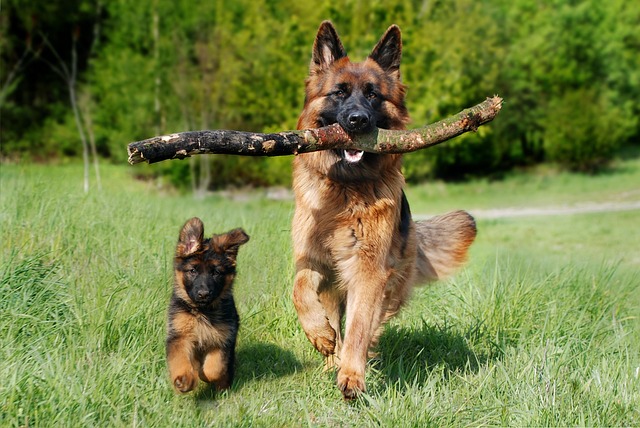
To teach your puppy gentle play behavior, begin by encouraging soft mouthing and redirecting any rough play. Puppies often bite or nip during play due to excitement or lack of impulse control. Therefore, it’s essential to teach them appropriate play signals and reward calm behavior to foster gentler interactions. Consistency in training and supervision will help establish these desired behaviors over time.
Understanding the motivations behind your puppy’s behavior is crucial. Puppies are naturally playful and may not realize when their play becomes too rough. They rely on their owners to guide them toward appropriate behavior. By recognizing the signs of overstimulation, such as excessive barking or jumping, you can intervene before the play escalates. Using toys for redirection can also help your puppy channel their energy positively.
Understanding Puppy Play Behavior
Puppies are instinctively playful, and this behavior is crucial for their development. During play, they learn important social skills and boundaries. However, their excitement can sometimes lead to rough play, which can be problematic. Recognizing the difference between normal play and overly aggressive behavior is essential. Look for cues such as growling or nipping that may indicate your puppy is becoming too excited.
To promote gentle play, owners should observe their puppy’s interactions with other dogs and people. This awareness will help you identify when play is becoming too intense. Engaging in play sessions yourself can also help establish boundaries and teach your puppy the importance of gentleness. Use a calm voice and body language to reinforce the desired behavior.
Techniques for Encouraging Gentle Play
Implementing specific techniques can significantly improve your puppy’s play behavior. One effective method is to use toys as a buffer during playtime. Encourage your puppy to fetch or tug on toys instead of using their mouth on your hands or clothing. This redirection helps them understand what is appropriate to bite.
Another technique is to introduce a ‘time-out’ system. If your puppy becomes too rough, pause the play session for a brief moment. This teaches them that rough play leads to an end of fun. After a short break, you can resume play, reinforcing the idea that gentleness keeps the game going.
Common Mistakes to Avoid
Many owners inadvertently reinforce rough behavior by reacting in ways that excite the puppy further. For instance, yelling or moving away quickly can escalate their excitement, leading to more biting. Instead, remain calm and redirect their focus. Additionally, avoid using your hands as play objects, as this can confuse your puppy about what is acceptable.
Another common mistake is neglecting socialization opportunities. Puppies need to interact with other dogs and people to learn proper play behavior. Ensure they have supervised playdates with well-mannered dogs who can model gentle play. This exposure is vital for developing their social skills.
The Role of Socialization
Socialization plays a crucial role in teaching your puppy gentle play behavior. By exposing them to various environments, people, and other animals, you help them learn how to interact appropriately. Early socialization can prevent fear-based reactions that might lead to rough play.
Consider enrolling your puppy in a training class or puppy socialization group. These settings provide structured opportunities for puppies to learn from one another while under the guidance of experienced trainers. Positive social experiences will help your puppy develop confidence and the ability to regulate their play style.
Frequently Asked Questions
What age should I start teaching my puppy gentle play behavior?
Begin teaching gentle play behavior as soon as you bring your puppy home, ideally between 8 to 16 weeks of age.
How do I know if my puppy is playing too rough?
If your puppy is growling, nipping, or has a tense body posture, they may be playing too rough. Look for signs of overstimulation.
Can I use treats during training for gentle play?
Yes, using treats can reinforce gentle play behavior. Reward your puppy when they engage in calm and gentle interactions.
Is it normal for puppies to bite during play?
Yes, it is normal for puppies to bite during play as they explore their world. However, it’s important to guide them toward gentler behavior.
What should I do if my puppy doesn’t respond to training?
If your puppy isn’t responding, consider adjusting your training methods or consulting a professional trainer for tailored guidance.
Conclusion
Teaching your puppy gentle play behavior is crucial for fostering positive interactions and preventing aggressive tendencies. Focus on redirecting their energy with toys, using time-outs to reinforce boundaries, and ensuring they have ample socialization opportunities. Recognizing the signs of overstimulation and employing effective training techniques will help you cultivate a well-mannered companion. By prioritizing these strategies, you can enjoy a harmonious relationship with your puppy as they grow and learn.