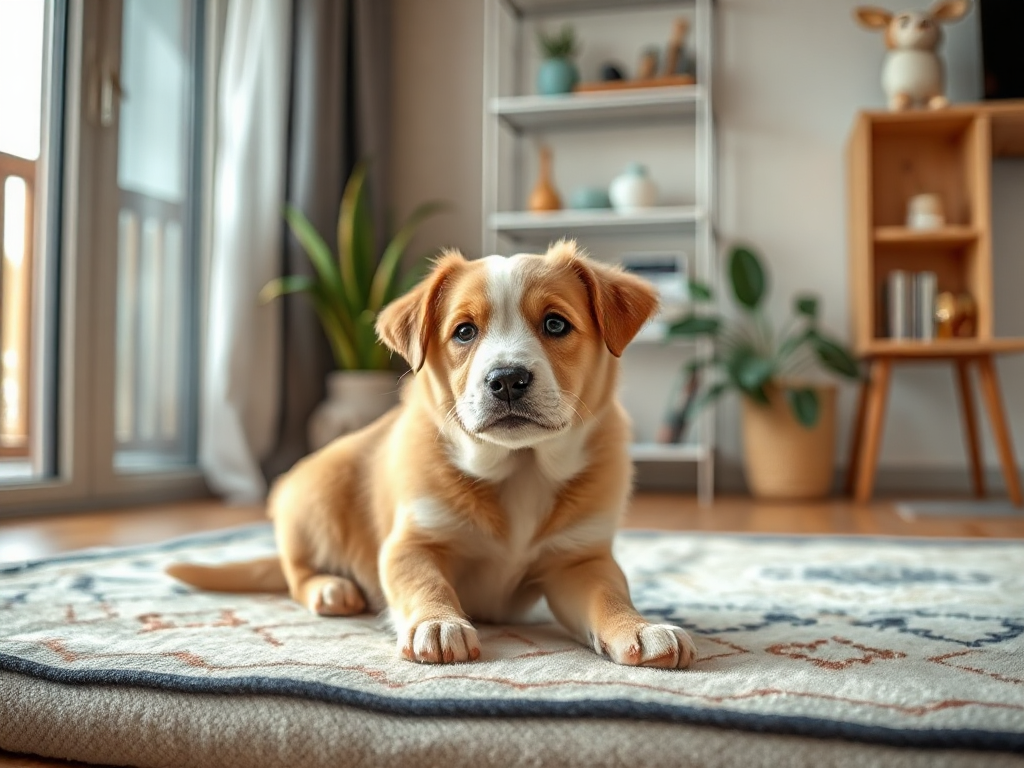
To effectively train a puppy in an apartment, focus on creating a structured routine, utilizing positive reinforcement, and maximizing small spaces for play and training. Establish designated areas for potty breaks and playtime to help your puppy understand boundaries. Consistent socialization is crucial, so expose your puppy to various environments and sounds to foster adaptability. Training sessions should be short and engaging, utilizing treats and praise to reinforce good behavior, ensuring your puppy learns effectively in the limited space of an apartment.
Creating a Structured Routine
Establishing a structured routine is vital for training a puppy in an apartment. Puppies thrive on consistency, which helps them feel secure and understand what is expected of them. Start by setting specific times for feeding, potty breaks, and playtime. This predictability helps your puppy learn when to expect certain activities, reducing anxiety and potential accidents.
For instance, take your puppy out for potty breaks immediately after meals and upon waking. By doing this consistently, your puppy will learn to associate these cues with bathroom time. Additionally, integrate training sessions into your routine, ideally after playtime when your puppy is more receptive to learning. Keep these sessions short—around 5 to 10 minutes—to maintain your puppy’s attention and prevent frustration.
Creating a Structured Routine matters because it turns effectively train a puppy in an apartment from a broad idea into a decision the reader can actually apply. The practical difference usually shows up in the details: how much is needed, when the choice is made, what tradeoff is acceptable, and what sign shows the approach is working. For nutrition topics, the strongest advice connects portion size, food quality, timing, and recovery instead of treating every meal as a fixed serving.
A useful way to handle this section is to compare the normal baseline with the situation that creates extra demand. If puppy is the baseline concern, then apartment becomes the adjustment point and routine becomes the outcome to watch. That keeps the advice specific without forcing the reader into a rigid formula that may not fit their routine, budget, tolerance, schedule, or current level of experience.
The most common mistake is changing too many variables at once. A better approach is to choose one measurable adjustment, use it consistently long enough to see a pattern, and then refine the next step based on energy, comfort, performance, safety, or reliability. This makes the guidance easier to trust because the reader can connect the recommendation to what they observe rather than guessing from a generic checklist.
The practical takeaway is to make the section actionable: identify the main constraint, choose the smallest useful change, and compare the result against the goal. When the outcome improves, the reader can keep the approach. When it does not, the next change should target the most likely bottleneck rather than repeating the same step with more effort.
Utilizing Positive Reinforcement
Positive reinforcement is an effective method for training puppies, especially in confined spaces like apartments. This approach involves rewarding desired behaviors with treats, praise, or playtime, encouraging your puppy to repeat those behaviors. When your puppy successfully follows a command or exhibits good behavior, immediately reward them to reinforce the action.
For example, if your puppy sits on command, offer a treat and verbal praise right away. This immediate feedback helps your puppy connect the behavior with the reward, making it more likely they will repeat the action in the future. Avoid using negative reinforcement, as it can create fear and anxiety, which are counterproductive to training, especially in a small living environment.
Utilizing Positive Reinforcement matters because it turns effectively train a puppy in an apartment from a broad idea into a decision the reader can actually apply. The practical difference usually shows up in the details: how much is needed, when the choice is made, what tradeoff is acceptable, and what sign shows the approach is working. For technology topics, the strongest advice connects the user goal, system constraint, maintenance burden, and measurable outcome.
A useful way to handle this section is to compare the normal baseline with the situation that creates extra demand. If puppy is the baseline concern, then reinforcement becomes the adjustment point and effectively becomes the outcome to watch. That keeps the advice specific without forcing the reader into a rigid formula that may not fit their routine, budget, tolerance, schedule, or current level of experience.
The most common mistake is changing too many variables at once. A better approach is to choose one measurable adjustment, use it consistently long enough to see a pattern, and then refine the next step based on energy, comfort, performance, safety, or reliability. This makes the guidance easier to trust because the reader can connect the recommendation to what they observe rather than guessing from a generic checklist.
The practical takeaway is to make the section actionable: identify the main constraint, choose the smallest useful change, and compare the result against the goal. When the outcome improves, the reader can keep the approach. When it does not, the next change should target the most likely bottleneck rather than repeating the same step with more effort.
Maximizing Space for Training
Training in an apartment may seem challenging due to limited space, but there are several ways to maximize your environment for effective training. Use furniture and designated areas to create a training zone. For example, a corner of your living room can be set up with a mat or crate to serve as a safe space for your puppy during training sessions.
Incorporate interactive toys and puzzles in the training area to keep your puppy engaged. These activities stimulate your puppy’s mind and can be used as rewards during training sessions. Additionally, utilize your apartment’s layout to incorporate movement into training. For example, practice commands while walking up and down the hallway, which helps your puppy expend energy while learning.
Maximizing Space for Training matters because it turns effectively train a puppy in an apartment from a broad idea into a decision the reader can actually apply. The practical difference usually shows up in the details: how much is needed, when the choice is made, what tradeoff is acceptable, and what sign shows the approach is working. For technology topics, the strongest advice connects the user goal, system constraint, maintenance burden, and measurable outcome.
A useful way to handle this section is to compare the normal baseline with the situation that creates extra demand. If training is the baseline concern, then puppy becomes the adjustment point and apartment becomes the outcome to watch. That keeps the advice specific without forcing the reader into a rigid formula that may not fit their routine, budget, tolerance, schedule, or current level of experience.
Socialization and Adaptability
Socialization is a critical aspect of training a puppy, especially in an apartment setting. Exposing your puppy to various sounds, smells, and sights helps them become adaptable and confident. Take your puppy outside regularly to experience different environments, even if it’s just the stairwell or nearby courtyard. Use these outings as opportunities for socialization by allowing your puppy to meet other dogs and people.
Additionally, consider organizing playdates with other vaccinated puppies to help your puppy learn appropriate social behaviors. This exposure is crucial for preventing behavioral issues later on, such as fearfulness or aggression. Remember to keep these interactions positive and monitored to ensure a safe and enjoyable experience for your puppy.
Socialization and Adaptability matters because it turns effectively train a puppy in an apartment from a broad idea into a decision the reader can actually apply. The practical difference usually shows up in the details: how much is needed, when the choice is made, what tradeoff is acceptable, and what sign shows the approach is working. For technology topics, the strongest advice connects the user goal, system constraint, maintenance burden, and measurable outcome.
A useful way to handle this section is to compare the normal baseline with the situation that creates extra demand. If puppy is the baseline concern, then apartment becomes the adjustment point and socialization becomes the outcome to watch. That keeps the advice specific without forcing the reader into a rigid formula that may not fit their routine, budget, tolerance, schedule, or current level of experience.
The most common mistake is changing too many variables at once. A better approach is to choose one measurable adjustment, use it consistently long enough to see a pattern, and then refine the next step based on energy, comfort, performance, safety, or reliability. This makes the guidance easier to trust because the reader can connect the recommendation to what they observe rather than guessing from a generic checklist.
Frequently Asked Questions
What are the best commands to teach my puppy in an apartment?
Start with basic commands like 'sit', 'stay', 'come', and 'down'. These commands are essential for safety and control, especially in a confined space.
How often should I train my puppy in an apartment?
Train your puppy for short sessions of 5-10 minutes several times a day to keep them engaged without overwhelming them.
Can I train my puppy using only positive reinforcement?
Yes, positive reinforcement is highly effective for training puppies. It encourages good behavior without the negative side effects of punishment.
What should I do if my puppy has accidents indoors?
Clean up accidents thoroughly to remove odors, and increase potty breaks. Ensure your puppy has a consistent schedule for potty training.
How can I help my puppy adapt to apartment living?
Provide plenty of mental and physical stimulation through toys, training, and socialization. Regular walks and playtime will help your puppy feel comfortable in their environment.