Quick Answer: The best way to answer “How do you leash train a puppy?” is to start with the first practical action, then work through the risks, tools, timing, and follow-through steps that affect the outcome. The most important points covered here include Start Early and Gradually, Introduce the Leash, Positive Associations, Proper Walking Technique, and Walking Etiquette. Use the article below as the step-by-step guide, but begin with the action that reduces the largest immediate risk and then build from there.
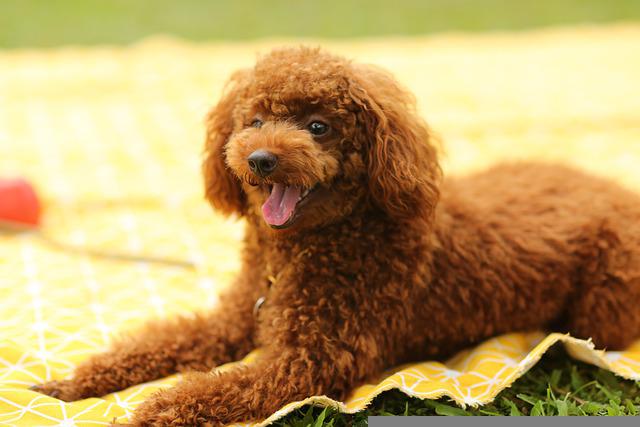
Start Early and Gradually
To ensure successful leash training, begin as early as possible. Puppies are more adaptable during their early development stages.
Introduce the Leash
– Allow puppy to sniff and investigate the leash
– Avoid forcing the leash on; make it an enjoyable experience
– Use a lightweight, non-retractable leash
Positive Associations
– Reward desired behavior with treats, praise, or play
– Associate leash with fun experiences
– Make leash time a positive bonding activity
Proper Walking Technique
Teaching proper walking manners is essential for leash training.
Walking Etiquette
– Encourage puppy to walk beside you
– Avoid pulling or dragging
– Use commands like ‘Heel’ or ‘Let’s Go’
Consistent Training
– Regular practice sessions
– Short walks gradually increasing in duration
– Consistency is key in reinforcing good behavior
Handling Challenges
Leash training may present challenges, but with patience and perseverance, they can be overcome.
Stopping Pulling
– Stop when puppy pulls
– Wait for slack in the leash before proceeding
– Avoid punishing; instead, redirect attention positively
Distractions Management
– Gradually introduce distractions
– Use high-value treats for focus
– Reinforce obedience in various environments
Conclusion:
With dedication and positive reinforcement, leash training a puppy can be a rewarding experience for both the owner and the pet, strengthening the bond and promoting a joyous walking routine.
[qmp_faq]