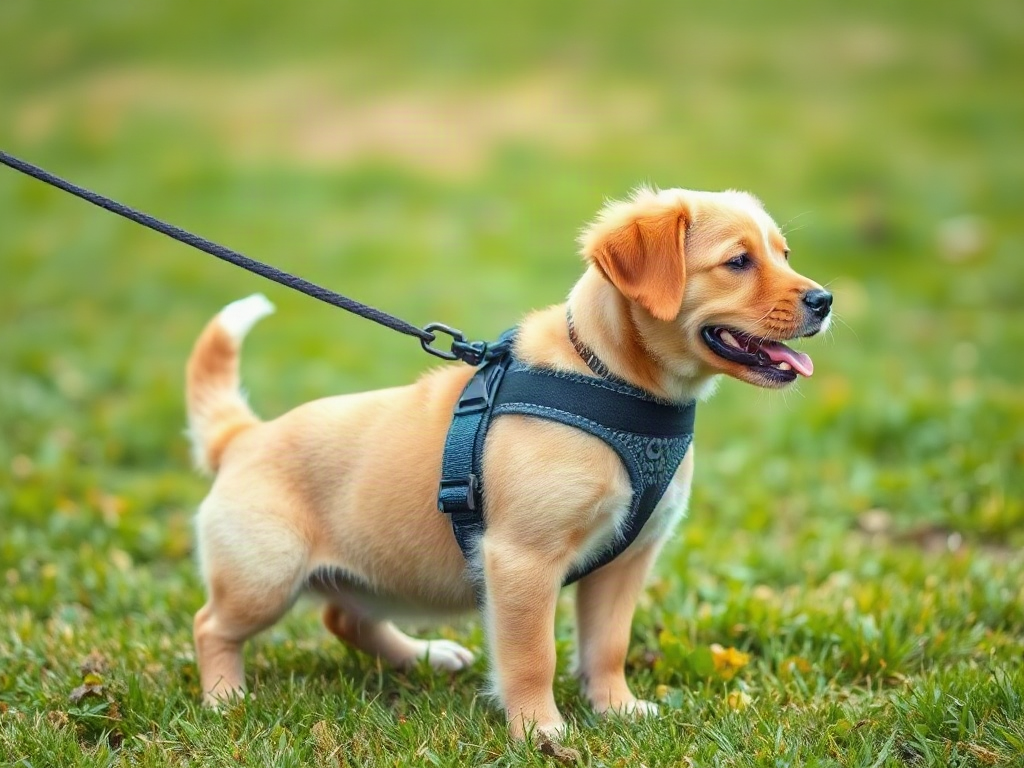
To make leash training enjoyable for your puppy, incorporate fun activities like play and exploration, use positive reinforcement techniques, and maintain a relaxed atmosphere. Engaging your puppy with treats or toys while practicing leash walking can create a positive association with the leash. Additionally, vary your training environment to keep sessions stimulating and fun, ensuring your puppy remains interested and eager to learn.
Understanding Your Puppy’s Perspective
To effectively train your puppy on a leash, it’s crucial to comprehend their perspective. Puppies are naturally curious and energetic, often overwhelmed by new experiences. Understanding this can help you tailor your training approach to be more enjoyable for them. Recognizing that your puppy may feel anxious or excited can guide you in creating a supportive training environment. For instance, if your puppy pulls on the leash, it may be their instinct to explore rather than a disobedient behavior. Acknowledging this can help you remain patient and responsive during training.
One common mistake owners make is expecting their puppies to behave perfectly right away. Puppies need time to adjust to the leash and learn how to walk calmly beside you. Instead of viewing pulling as a defiance, consider it a natural reaction to their surroundings. This mindset can help you approach training with empathy, leading to more positive interactions.
Understanding Your Puppy’s Perspective matters because it turns ways to make leash training enjoyable for your puppy from a broad idea into a decision the reader can actually apply. The practical difference usually shows up in the details: how much is needed, when the choice is made, what tradeoff is acceptable, and what sign shows the approach is working. For technology topics, the strongest advice connects the user goal, system constraint, maintenance burden, and measurable outcome.
A useful way to handle this section is to compare the normal baseline with the situation that creates extra demand. If training is the baseline concern, then puppy becomes the adjustment point and leash becomes the outcome to watch. That keeps the advice specific without forcing the reader into a rigid formula that may not fit their routine, budget, tolerance, schedule, or current level of experience.
The most common mistake is changing too many variables at once. A better approach is to choose one measurable adjustment, use it consistently long enough to see a pattern, and then refine the next step based on energy, comfort, performance, safety, or reliability. This makes the guidance easier to trust because the reader can connect the recommendation to what they observe rather than guessing from a generic checklist.
The practical takeaway is to make the section actionable: identify the main constraint, choose the smallest useful change, and compare the result against the goal. When the outcome improves, the reader can keep the approach. When it does not, the next change should target the most likely bottleneck rather than repeating the same step with more effort.
Incorporating Play into Training Sessions
Incorporating play into leash training sessions can transform the experience from a chore into a fun activity. Engaging your puppy with games can make them associate the leash with positive experiences. For example, you can start by letting your puppy wear the leash indoors for short periods while playing their favorite game, like fetch or tug-of-war. This helps them to associate the leash with fun rather than restriction.
Additionally, consider using interactive toys that can be carried while walking. This not only keeps your puppy engaged but also encourages them to focus on you during walks. Short training sessions filled with play can maintain their interest and enthusiasm, making leash training a highlight of their day. Remember, the goal is to keep the mood light and enjoyable, which will help your puppy learn more effectively.
Incorporating Play into Training Sessions matters because it turns ways to make leash training enjoyable for your puppy from a broad idea into a decision the reader can actually apply. The practical difference usually shows up in the details: how much is needed, when the choice is made, what tradeoff is acceptable, and what sign shows the approach is working. For technology topics, the strongest advice connects the user goal, system constraint, maintenance burden, and measurable outcome.
A useful way to handle this section is to compare the normal baseline with the situation that creates extra demand. If leash is the baseline concern, then training becomes the adjustment point and puppy becomes the outcome to watch. That keeps the advice specific without forcing the reader into a rigid formula that may not fit their routine, budget, tolerance, schedule, or current level of experience.
The most common mistake is changing too many variables at once. A better approach is to choose one measurable adjustment, use it consistently long enough to see a pattern, and then refine the next step based on energy, comfort, performance, safety, or reliability. This makes the guidance easier to trust because the reader can connect the recommendation to what they observe rather than guessing from a generic checklist.
Using Positive Reinforcement Effectively
Positive reinforcement is a powerful tool in leash training. Rewarding your puppy for desired behaviors creates a strong association between good behavior and positive outcomes. Use treats, praise, or play as rewards when your puppy walks calmly beside you. For instance, if your puppy walks without pulling for a few steps, immediately reward them with a treat and verbal praise. This reinforces the behavior you want to see more of.
However, it’s essential to be consistent with your rewards. If your puppy pulls and only occasionally receives a treat for walking nicely, they may become confused about what behavior earns rewards. A common mistake is to wait too long to reward; ideally, rewards should be given immediately after the desired behavior occurs to strengthen the connection in your puppy’s mind.
Using Positive Reinforcement Effectively matters because it turns ways to make leash training enjoyable for your puppy from a broad idea into a decision the reader can actually apply. The practical difference usually shows up in the details: how much is needed, when the choice is made, what tradeoff is acceptable, and what sign shows the approach is working. For technology topics, the strongest advice connects the user goal, system constraint, maintenance burden, and measurable outcome.
A useful way to handle this section is to compare the normal baseline with the situation that creates extra demand. If puppy is the baseline concern, then positive becomes the adjustment point and behavior becomes the outcome to watch. That keeps the advice specific without forcing the reader into a rigid formula that may not fit their routine, budget, tolerance, schedule, or current level of experience.
The most common mistake is changing too many variables at once. A better approach is to choose one measurable adjustment, use it consistently long enough to see a pattern, and then refine the next step based on energy, comfort, performance, safety, or reliability. This makes the guidance easier to trust because the reader can connect the recommendation to what they observe rather than guessing from a generic checklist.
Creating a Comfortable Training Environment
A comfortable training environment is vital for making leash training enjoyable. Ensure that the leash and collar or harness fit properly, as discomfort can lead to resistance. A well-fitted harness can prevent pulling and provide better control while ensuring your puppy feels secure. Additionally, choose a training location that is free from distractions, especially in the beginning. Gradually introducing your puppy to busier environments can help them build confidence.
Moreover, consider the duration and frequency of your training sessions. Short, frequent sessions are often more effective than long, drawn-out ones. Aim for 5-10 minute sessions several times a day, ensuring that your puppy remains engaged and learns without becoming overwhelmed. Remember that the ultimate goal is to make leash training a positive experience that your puppy looks forward to.
For more insights into effective training methods and tips, consider exploring reputable sources such as veterinary behaviorists or certified dog trainers. These resources can offer valuable information on ways to make leash training enjoyable for your puppy.
Creating a Comfortable Training Environment matters because it turns ways to make leash training enjoyable for your puppy from a broad idea into a decision the reader can actually apply. The practical difference usually shows up in the details: how much is needed, when the choice is made, what tradeoff is acceptable, and what sign shows the approach is working. For technology topics, the strongest advice connects the user goal, system constraint, maintenance burden, and measurable outcome.
A useful way to handle this section is to compare the normal baseline with the situation that creates extra demand. If training is the baseline concern, then puppy becomes the adjustment point and leash becomes the outcome to watch. That keeps the advice specific without forcing the reader into a rigid formula that may not fit their routine, budget, tolerance, schedule, or current level of experience.
Frequently Asked Questions
How long should leash training sessions be for my puppy?
Leash training sessions should ideally last between 5 to 10 minutes to keep your puppy engaged without overwhelming them.
What type of leash is best for puppy training?
A lightweight, comfortable leash is ideal, along with a properly fitted harness to ensure safety and comfort during training.
How can I tell if my puppy is enjoying leash training?
If your puppy is relaxed, wagging their tail, and engaging with you, they are likely enjoying the training. Signs of stress, like pulling or barking, indicate a need for adjustments.
What should I do if my puppy keeps pulling on the leash?
Use positive reinforcement to reward your puppy when they walk beside you. Stop walking when they pull, and only proceed when they are calm.
Can I train my puppy to walk on a leash by myself?
Yes, you can train your puppy to walk on a leash by yourself using positive reinforcement and consistent practice during short training sessions.
Conclusion
Making leash training enjoyable for your puppy involves understanding their perspective, incorporating play, and using positive reinforcement effectively. Create a comfortable training environment and maintain short, engaging sessions to keep your puppy interested. By applying these strategies, you can foster a positive association with leash training, making it a fun and rewarding experience for both you and your puppy.