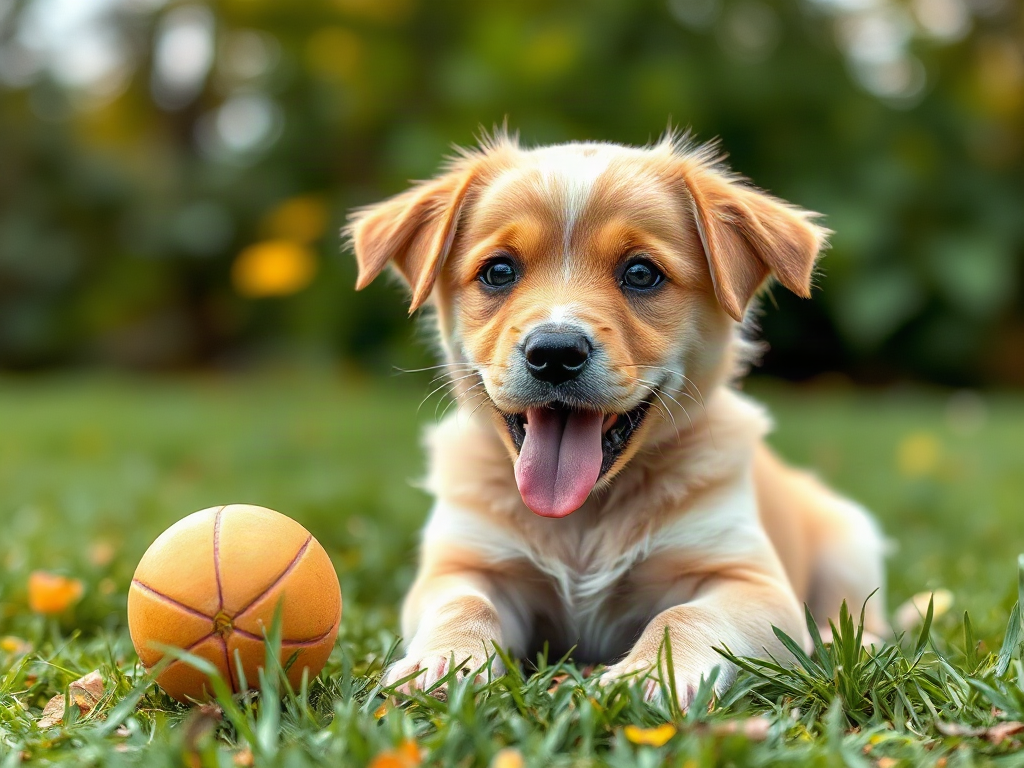
To train a puppy to play gently, start by using positive reinforcement techniques, such as rewarding calm behavior with treats or praise. Establish clear boundaries during playtime, and redirect overly excited behavior to appropriate toys. Avoid roughhousing, as it can encourage aggressive play. Consistency and patience are key to teaching your puppy the desired play style.
Understanding Gentle Play
Teaching your puppy to play gently is essential for ensuring safe interactions with people and other pets. Gentle play helps establish a strong bond between you and your puppy while promoting good social skills. Puppies naturally have high energy levels and may not realize the impact of their play style. Understanding what constitutes gentle play is the first step toward effective training.
Gentle play involves soft mouthing, appropriate body language, and controlled movements. It’s crucial to recognize that puppies learn through their experiences and interactions. By showing them what gentle play looks like, you can set the foundation for a harmonious environment.
Understanding Gentle Play matters because it turns train a puppy to play gently from a broad idea into a decision the reader can actually apply. The practical difference usually shows up in the details: how much is needed, when the choice is made, what tradeoff is acceptable, and what sign shows the approach is working. For technology topics, the strongest advice connects the user goal, system constraint, maintenance burden, and measurable outcome.
A useful way to handle this section is to compare the normal baseline with the situation that creates extra demand. If play is the baseline concern, then gentle becomes the adjustment point and puppy becomes the outcome to watch. That keeps the advice specific without forcing the reader into a rigid formula that may not fit their routine, budget, tolerance, schedule, or current level of experience.
The most common mistake is changing too many variables at once. A better approach is to choose one measurable adjustment, use it consistently long enough to see a pattern, and then refine the next step based on energy, comfort, performance, safety, or reliability. This makes the guidance easier to trust because the reader can connect the recommendation to what they observe rather than guessing from a generic checklist.
The practical takeaway is to make the section actionable: identify the main constraint, choose the smallest useful change, and compare the result against the goal. When the outcome improves, the reader can keep the approach. When it does not, the next change should target the most likely bottleneck rather than repeating the same step with more effort.
Positive Reinforcement Techniques
Positive reinforcement is one of the most effective methods for training your puppy to play gently. This technique involves rewarding your puppy for displaying the desired behavior. Here’s how to implement it:
- Identify Calm Moments: Watch for instances when your puppy plays gently or shows calmness during play. This is your opportunity to reinforce the behavior.
- Use Treats and Praise: When your puppy exhibits gentle play, immediately reward them with treats, praise, or affection. This creates a positive association with calm behavior.
- Be Consistent: Consistency is key in training. Ensure that everyone in your household applies the same rules and rewards to avoid confusion for your puppy.
By consistently rewarding gentle play, your puppy will learn to associate calmness with positive outcomes, making it more likely that they will repeat the behavior.
Positive Reinforcement Techniques matters because it turns train a puppy to play gently from a broad idea into a decision the reader can actually apply. The practical difference usually shows up in the details: how much is needed, when the choice is made, what tradeoff is acceptable, and what sign shows the approach is working. For technology topics, the strongest advice connects the user goal, system constraint, maintenance burden, and measurable outcome.
A useful way to handle this section is to compare the normal baseline with the situation that creates extra demand. If puppy is the baseline concern, then play becomes the adjustment point and gently becomes the outcome to watch. That keeps the advice specific without forcing the reader into a rigid formula that may not fit their routine, budget, tolerance, schedule, or current level of experience.
The most common mistake is changing too many variables at once. A better approach is to choose one measurable adjustment, use it consistently long enough to see a pattern, and then refine the next step based on energy, comfort, performance, safety, or reliability. This makes the guidance easier to trust because the reader can connect the recommendation to what they observe rather than guessing from a generic checklist.
The practical takeaway is to make the section actionable: identify the main constraint, choose the smallest useful change, and compare the result against the goal. When the outcome improves, the reader can keep the approach. When it does not, the next change should target the most likely bottleneck rather than repeating the same step with more effort.
Redirecting Play Behavior
In addition to positive reinforcement, redirecting your puppy’s energy can be an effective strategy. Puppies often become overly excited and may play too roughly, leading to undesirable behaviors. Here’s how to redirect their play:
- Provide Appropriate Toys: Ensure your puppy has access to a variety of safe toys to chew and play with. This can help channel their energy into acceptable outlets.
- Introduce Structure During Play: Set specific playtime limits and engage in interactive games that require them to be gentle, such as fetch or tug-of-war with a soft toy.
- Use Commands: Teach commands like “gentle” or “easy” during playtime. When your puppy starts to play too roughly, use the command to remind them to calm down.
Redirecting their focus and providing clear instructions will help your puppy learn how to engage in gentle play effectively.
Redirecting Play Behavior matters because it turns train a puppy to play gently from a broad idea into a decision the reader can actually apply. The practical difference usually shows up in the details: how much is needed, when the choice is made, what tradeoff is acceptable, and what sign shows the approach is working. For technology topics, the strongest advice connects the user goal, system constraint, maintenance burden, and measurable outcome.
A useful way to handle this section is to compare the normal baseline with the situation that creates extra demand. If play is the baseline concern, then puppy becomes the adjustment point and redirecting becomes the outcome to watch. That keeps the advice specific without forcing the reader into a rigid formula that may not fit their routine, budget, tolerance, schedule, or current level of experience.
Common Mistakes to Avoid
Training your puppy to play gently can be challenging, and it’s important to be aware of common pitfalls that can hinder progress:
- Encouraging Rough Play: Engaging in roughhousing or wrestling can teach your puppy that aggressive play is acceptable. Avoid games that promote biting or jumping.
- Inconsistency: If different family members use varying commands or reinforcement methods, it can confuse your puppy. Establish a consistent training approach for everyone involved.
- Ignoring Warning Signs: Pay attention to your puppy’s body language. If they show signs of overstimulation or aggression, intervene immediately to prevent escalation.
By avoiding these mistakes and maintaining a focus on gentle interactions, you will enhance your puppy’s ability to play kindly and socially.
Common Mistakes to Avoid matters because it turns train a puppy to play gently from a broad idea into a decision the reader can actually prevent. The practical difference usually shows up in the details: how much is needed, when the choice is made, what tradeoff is acceptable, and what sign shows the approach is working. For technology topics, the strongest advice connects the user goal, system constraint, maintenance burden, and measurable outcome.
A useful way to handle this section is to compare the normal baseline with the situation that creates extra demand. If puppy is the baseline concern, then play becomes the adjustment point and gently becomes the outcome to watch. That keeps the advice specific without forcing the reader into a rigid formula that may not fit their routine, budget, tolerance, schedule, or current level of experience.
The most common mistake is changing too many variables at once. A better approach is to choose one measurable adjustment, use it consistently long enough to see a pattern, and then refine the next step based on energy, comfort, performance, safety, or reliability. This makes the guidance easier to trust because the reader can connect the recommendation to what they observe rather than guessing from a generic checklist.
Frequently Asked Questions
What age should I start training my puppy to play gently?
Start training as early as possible, ideally when your puppy is around 8 weeks old, to establish good habits from the beginning.
How long will it take to train my puppy to play gently?
The time it takes varies by puppy, but with consistent training and reinforcement, you can see improvement within a few weeks.
Can I use negative reinforcement to train my puppy?
Negative reinforcement is not recommended. Positive reinforcement creates a better bond and encourages desired behaviors without fear.
What if my puppy continues to play roughly?
If your puppy persists in rough play, increase the frequency of redirection and ensure they have enough physical and mental stimulation.
Is it normal for puppies to play rough?
Yes, it is common for puppies to play roughly as they explore their environment, but it’s important to guide them toward gentler interactions.