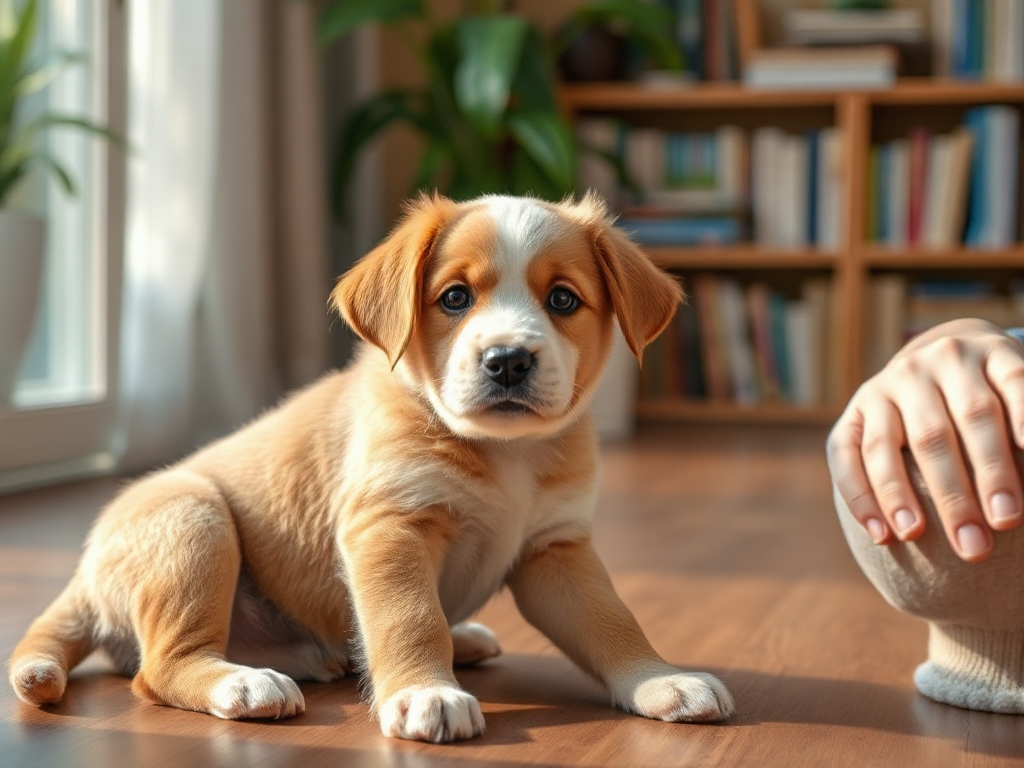
The best methods for teaching impulse control to puppies involve implementing consistent training techniques like 'leave it' and 'wait,' paired with positive reinforcement strategies. These methods help puppies develop self-control, reducing impulsive behaviors such as jumping or lunging. Additionally, incorporating structured playtime and mental stimulation can significantly enhance their focus and patience, leading to better overall behavior.
Understanding Impulse Control in Puppies
Impulse control is a critical skill for puppies, aiding them in resisting temptations and distractions. This ability not only enhances their training success but also ensures safer interactions with people and other animals. Puppies, by nature, are energetic and curious, often leading to impulsive behaviors like jumping, barking, or grabbing objects they shouldn’t. Understanding the roots of these behaviors is essential for effective training. Impulse control helps puppies learn to wait for cues from their owners, fostering patience, focus, and improved social skills.
To effectively teach impulse control, it is vital to recognize that puppies have short attention spans and may struggle with self-regulation. This is where structured training comes into play, allowing them to gradually build their impulse control skills through consistent practice and positive reinforcement. One common misconception is that puppies should inherently understand commands or expectations; however, they require guidance and practice to develop these skills.
Understanding Impulse Control in Puppies matters because it turns the best methods for teaching impulse control to puppies from a broad idea into a decision the reader can actually apply. The practical difference usually shows up in the details: how much is needed, when the choice is made, what tradeoff is acceptable, and what sign shows the approach is working. For technology topics, the strongest advice connects the user goal, system constraint, maintenance burden, and measurable outcome.
A useful way to handle this section is to compare the normal baseline with the situation that creates extra demand. If puppies is the baseline concern, then impulse becomes the adjustment point and control becomes the outcome to watch. That keeps the advice specific without forcing the reader into a rigid formula that may not fit their routine, budget, tolerance, schedule, or current level of experience.
The most common mistake is changing too many variables at once. A better approach is to choose one measurable adjustment, use it consistently long enough to see a pattern, and then refine the next step based on energy, comfort, performance, safety, or reliability. This makes the guidance easier to trust because the reader can connect the recommendation to what they observe rather than guessing from a generic checklist.
The practical takeaway is to make the section actionable: identify the main constraint, choose the smallest useful change, and compare the result against the goal. When the outcome improves, the reader can keep the approach. When it does not, the next change should target the most likely bottleneck rather than repeating the same step with more effort.
Training Techniques for Impulse Control
Several key techniques can be employed to effectively teach impulse control to puppies. One of the foundational commands is ‘leave it.’ This command teaches puppies to ignore distractions and focus on their owner instead. Start by placing a treat in your hand and letting your puppy sniff it. When they try to grab it, close your hand and say ‘leave it.’ Once they back away, reward them with a different treat from your other hand. This method reinforces the idea that patience leads to rewards.
Another effective technique is the ‘wait’ command. This command is particularly useful in situations where puppies are overly excited, such as before going out for a walk. To teach ‘wait,’ have your puppy sit, then open the door slightly. If they try to bolt through, close the door and wait until they settle. When they remain calm, reward them and gradually increase the door’s opening. This method teaches them that they must wait for permission to proceed.
Incorporating structured playtime is also essential. Activities like fetch or hide-and-seek can be used to reinforce impulse control. For example, during a game of fetch, ask your puppy to ‘wait’ before throwing the ball. This not only builds excitement but also teaches them to control their impulses until given the go-ahead.
Training Techniques for Impulse Control matters because it turns the best methods for teaching impulse control to puppies from a broad idea into a decision the reader can actually apply. The practical difference usually shows up in the details: how much is needed, when the choice is made, what tradeoff is acceptable, and what sign shows the approach is working. For technology topics, the strongest advice connects the user goal, system constraint, maintenance burden, and measurable outcome.
A useful way to handle this section is to compare the normal baseline with the situation that creates extra demand. If control is the baseline concern, then impulse becomes the adjustment point and puppies becomes the outcome to watch. That keeps the advice specific without forcing the reader into a rigid formula that may not fit their routine, budget, tolerance, schedule, or current level of experience.
Common Mistakes to Avoid
When teaching impulse control, there are several common mistakes that trainers should avoid. One major pitfall is inconsistency in commands and rewards. If the puppy receives different responses for the same behavior, it can lead to confusion and frustration. Consistency is key; ensure that all family members use the same commands and reward systems.
Another common mistake is rushing the training process. Puppies need time to learn and practice their skills. Expecting them to master impulse control too quickly can lead to setbacks. Training sessions should be short and engaging, focusing on positive reinforcement rather than punishment. This approach helps maintain the puppy’s enthusiasm and willingness to learn.
Lastly, neglecting socialization can hinder a puppy’s impulse control development. Regular interaction with other dogs and people allows puppies to practice their skills in various environments. Without proper socialization, puppies may struggle with impulse control when faced with new situations or distractions.
Common Mistakes to Avoid matters because it turns the best methods for teaching impulse control to puppies from a broad idea into a decision the reader can actually prevent. The practical difference usually shows up in the details: how much is needed, when the choice is made, what tradeoff is acceptable, and what sign shows the approach is working. For technology topics, the strongest advice connects the user goal, system constraint, maintenance burden, and measurable outcome.
A useful way to handle this section is to compare the normal baseline with the situation that creates extra demand. If impulse is the baseline concern, then control becomes the adjustment point and puppies becomes the outcome to watch. That keeps the advice specific without forcing the reader into a rigid formula that may not fit their routine, budget, tolerance, schedule, or current level of experience.
Real-World Scenarios and Applications
Implementing impulse control training in real-world scenarios can significantly benefit both the puppy and the owner. For instance, when taking a puppy to a dog park, having established impulse control can prevent unwanted behaviors like jumping on strangers or chasing after other dogs. Practicing commands like ‘leave it’ or ‘wait’ in busy environments helps reinforce their training.
Another scenario is during mealtime. Teaching a puppy to wait for their food before being allowed to eat instills patience and self-control. Place their bowl down and ask them to ‘wait’ before they dive in. This practice not only helps them learn impulse control but also fosters a sense of discipline.
Lastly, impulse control training can enhance safety during walks. Puppies often get excited and may lunge at passing cars or other animals. By practicing commands like ‘heel’ or ‘wait,’ owners can maintain better control during walks, ensuring a safer experience for both the puppy and the owner.
Real-World Scenarios and Applications matters because it turns the best methods for teaching impulse control to puppies from a broad idea into a decision the reader can actually apply. The practical difference usually shows up in the details: how much is needed, when the choice is made, what tradeoff is acceptable, and what sign shows the approach is working. For nutrition topics, the strongest advice connects portion size, food quality, timing, and recovery instead of treating every meal as a fixed serving.
A useful way to handle this section is to compare the normal baseline with the situation that creates extra demand. If control is the baseline concern, then impulse becomes the adjustment point and puppy becomes the outcome to watch. That keeps the advice specific without forcing the reader into a rigid formula that may not fit their routine, budget, tolerance, schedule, or current level of experience.
Frequently Asked Questions
What is impulse control in puppies?
Impulse control in puppies refers to their ability to resist temptations and distractions, allowing them to focus on commands and appropriate behaviors.
How can I teach my puppy to wait?
To teach your puppy to wait, have them sit and gradually open a door or present a treat. Close the door if they move, and reward them for staying calm.
What are some common mistakes in puppy training?
Common mistakes include inconsistency in commands, rushing the training process, and neglecting socialization opportunities.
How important is socialization for impulse control?
Socialization is crucial as it exposes puppies to various environments and situations, helping them practice impulse control in real-life scenarios.
Can impulse control training help with aggression?
Yes, impulse control training can reduce aggression by teaching puppies to manage their excitement and react calmly in various situations.
Further Reading
Authoritative Sources
- Academy of Nutrition and Dietetics
eatright.orgProfessional nutrition guidance, healthy eating resources, and practical dietitian-reviewed advice.
- U.S. Department of Agriculture
usda.govOfficial food, nutrition, agriculture, and consumer guidance from the USDA.
- NIH Office of Dietary Supplements
ods.od.nih.govResearch-based fact sheets on nutrients, supplements, dietary intake, and safety considerations.
- International Society of Sports Nutrition
sportsnutritionsociety.orgEvidence-informed sports nutrition resources and position stands for active people and athletes.
Conclusion
Teaching impulse control to puppies is essential for their development and the safety of those around them. By utilizing effective training techniques, avoiding common mistakes, and applying these skills in real-world scenarios, owners can foster well-behaved, confident dogs. Prioritize consistent practice and positive reinforcement to ensure that your puppy thrives in various environments, making their training experience enjoyable and rewarding.