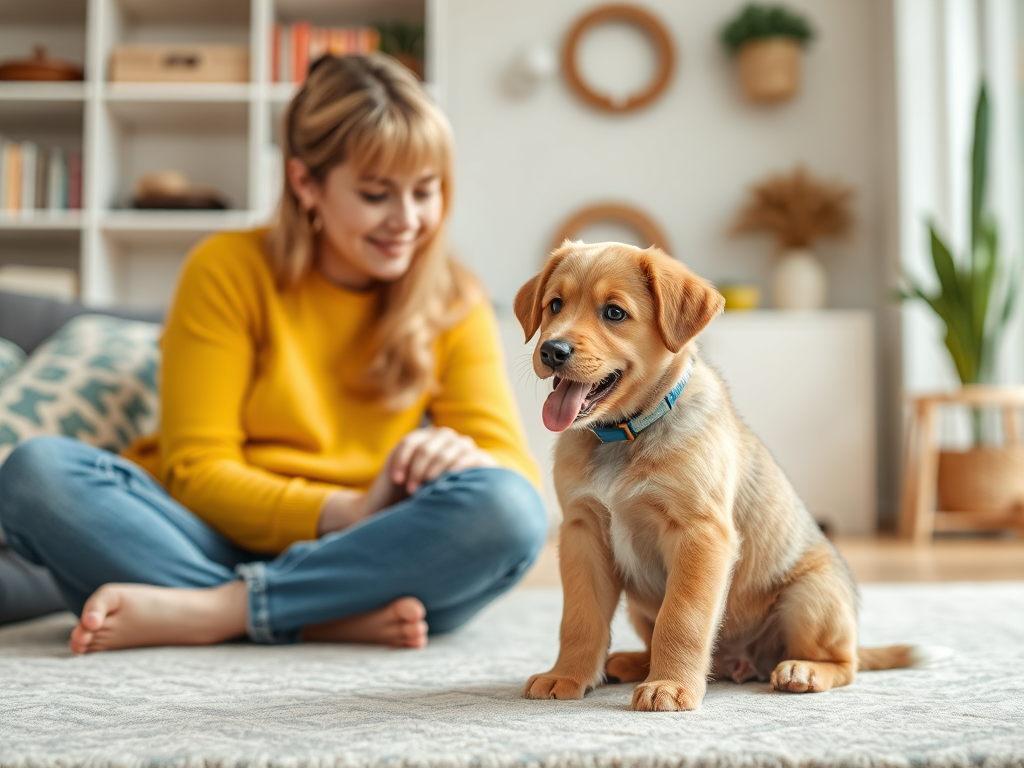
The Most Important Week in Puppy Training lays the groundwork for your puppy's lifelong behavior and learning. During this pivotal week, prioritize establishing a consistent daily routine that includes regular feeding, potty breaks, and training sessions. Socialization is equally essential; expose your puppy to various environments and positive interactions to build their confidence. Focus on teaching basic commands like "sit" and "come," using positive reinforcement to encourage good behavior. Avoid overwhelming your puppy with too much at once; gradual exposure will help them adapt and thrive in their new home.
Establishing a Routine
Creating a consistent daily routine is vital in the first week of puppy training. Dogs thrive on predictability, and a well-structured schedule helps them feel secure. This routine should include regular feeding times, potty breaks, play sessions, and training periods. Each activity should be timed consistently to help your puppy anticipate what comes next.
For instance, feeding your puppy at the same times each day can help regulate their digestion and potty schedule. Likewise, consistent training sessions should occur at similar times, ideally when your puppy is calm and attentive. This not only aids in learning but also fosters a sense of stability in your puppy’s new environment.
Socialization Techniques
Socialization is a critical aspect of training during this initial week. Exposing your puppy to different environments, people, and other animals will help them develop confidence and reduce the risk of behavioral issues later on. Begin with short outings to various places, such as parks, pet stores, or friends’ homes.
When socializing, ensure that interactions are positive. Use treats and praise to reward your puppy for calm behavior around new experiences. Avoid overwhelming situations; gradually increase exposure to new stimuli, allowing your puppy to adjust at their own pace. This approach will help them become well-rounded and adaptable adults.
Basic Commands to Teach
Teaching basic commands is fundamental during the first week. Start with simple commands like “sit,” “stay,” and “come.” These commands not only help with safety but also establish your role as a leader. Use positive reinforcement, such as treats and praise, to encourage your puppy to follow your commands.
For example, to teach “sit,” hold a treat above your puppy’s nose and move it back over their head. As they look up, their bottom will naturally lower. Once they sit, immediately reward them. Consistently practicing these commands in different settings will reinforce their learning and help them understand that obeying commands is rewarding.
Common Mistakes to Avoid
During the critical first week, it’s easy to make mistakes that could hinder your puppy’s training progress. One common error is inconsistency in commands or rules. If you’re unsure about what behaviors to reinforce, your puppy may become confused about what is expected.
Another mistake is neglecting to socialize your puppy adequately. Failing to expose them to new experiences can lead to fearfulness or aggression later in life. Additionally, avoid using negative reinforcement or punishment, as this can damage the trust between you and your puppy. Instead, focus on positive reinforcement to encourage good behavior and build a strong bond.
Frequently Asked Questions
What are some common mistakes to avoid in puppy training?
Avoid inconsistencies in rules, neglecting socialization, and using negative reinforcement, as these can hinder your puppy’s development.
How often should I train my puppy during the first week?
Short, frequent training sessions of about 5-10 minutes, several times a day, are ideal for maintaining your puppy’s attention and enthusiasm.
When should I start training my puppy?
Begin training as soon as you bring your puppy home, ideally within the first week, to establish good habits early on.
Conclusion
The first week in puppy training is essential for laying a solid foundation for your puppy’s future behavior. By establishing a routine, prioritizing socialization, and teaching basic commands, you can ensure that your puppy grows into a well-adjusted adult dog. Avoid common pitfalls such as inconsistency and neglecting socialization, and focus on positive reinforcement to build a trusting relationship. Moving forward, continue to reinforce learned behaviors and expand on training as your puppy matures.