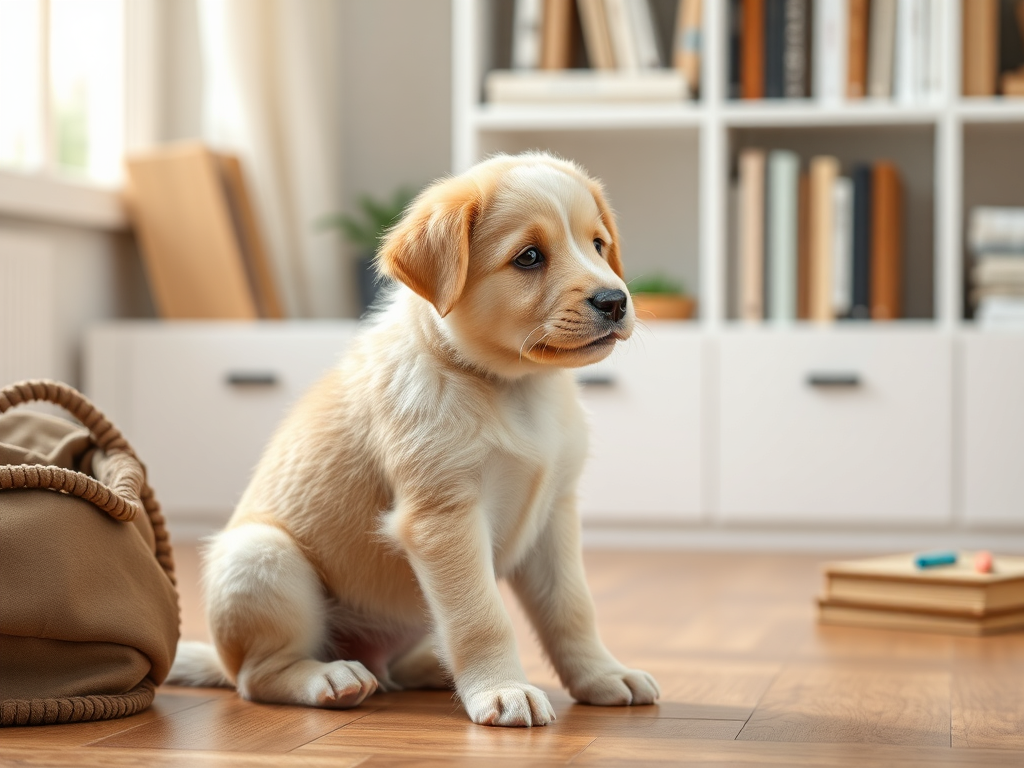
To train a puppy to sit and stay, start by using a treat to guide them into a sitting position while clearly saying the command "sit." Once your puppy is sitting, introduce the "stay" command by showing your open palm and rewarding them if they remain in place. It's essential to practice in different environments to help your puppy generalize the commands. Avoid common pitfalls such as using unclear commands or failing to reward immediately, as these can lead to confusion and slow down the training process. Regular, short training sessions filled with positive reinforcement will enhance your puppy's learning experience.
Understanding the Basics of Sit and Stay
Training your puppy to sit and stay is fundamental for establishing good behavior and ensuring safety. These commands help your puppy learn self-control and can be essential in various situations, such as preventing jumping on guests or running into the street. The sit command is often the first command taught, as it is simple and serves as a precursor for the stay command.
When teaching these commands, it is crucial to use clear, consistent cues. A firm but gentle tone can help convey your expectations. Puppies respond well to positive reinforcement, so using treats or praise when they perform the desired action will strengthen their understanding.
Step-by-Step Training Process
To effectively train your puppy to sit and stay, follow these steps:
- Gather Supplies: Have treats ready and choose a quiet location without distractions.
- Teach Sit: Hold a treat close to your puppy’s nose. Move your hand up, allowing their head to follow the treat, which will cause their bottom to lower. Once they are sitting, say “sit” and give them the treat.
- Introduce Stay: Once your puppy sits, open your palm in front of them and say “stay.” If they remain seated, reward them with a treat. Gradually increase the duration they must stay before receiving the treat.
- Practice Regularly: Conduct short training sessions multiple times a day. Keep sessions fun and engaging to maintain your puppy’s interest.
Repetition is critical; puppies learn through practice. Ensure that you gradually introduce distractions as your puppy becomes more proficient.
Common Mistakes to Avoid
Training can be frustrating, and many owners make mistakes that hinder progress. Here are some common pitfalls:
- Inconsistent Commands: Using different words or tones can confuse your puppy. Stick to one command for each action.
- Rushing the Process: Puppies have short attention spans. Training sessions should be brief but frequent to keep their focus.
- Punishing Mistakes: Avoid scolding your puppy for not following commands. Focus on positive reinforcement instead.
Recognizing these mistakes will help you adjust your training approach, ensuring a smoother learning experience for your puppy.
Maintaining Consistency and Patience
Consistency and patience are vital in training your puppy. Set specific times for training sessions to create a routine. Consistent practice in various environments will help your puppy learn to respond to commands regardless of distractions. Moreover, patience is essential; every puppy learns at their own pace.
As your puppy masters the sit and stay commands, you can start to introduce variations, such as practicing in different locations or with more distractions. This will help solidify their understanding and ensure they can follow commands in real-world situations.
Frequently Asked Questions
What if my puppy doesn’t respond to commands?
Ensure you are using consistent commands and rewarding good behavior. If they still struggle, consider reducing distractions or practicing in a quieter environment.
Can I train my puppy without treats?
Yes, you can use praise, toys, or playtime as rewards, but treats are often more effective for initial training.
How do I reinforce the stay command?
Gradually increase the time and distance between you and your puppy while they stay. Always reward them for staying put before releasing them.
Conclusion
Training your puppy to sit and stay is a foundational skill that enhances their behavior and safety. By using positive reinforcement, maintaining consistency, and avoiding common training mistakes, you can effectively teach these commands. Remember to be patient and practice regularly, adapting your approach as your puppy develops. With dedication, your puppy will learn to respond reliably to sit and stay commands, making them a well-behaved companion.