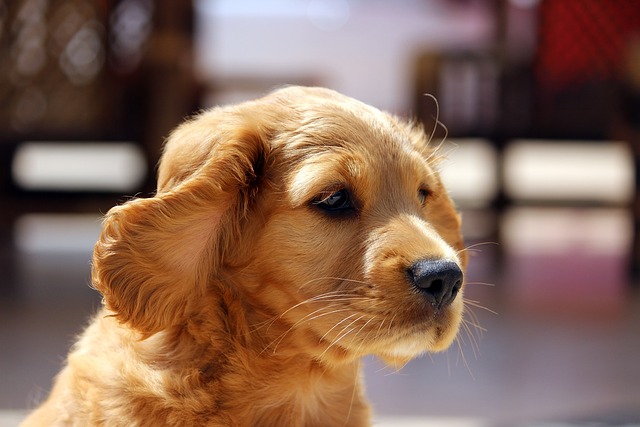
Puppies are naturally curious yet cautious, and unfamiliar environments can lead to hesitation. Factors such as weather conditions, new surroundings, or even prior negative experiences can contribute to their reluctance.
If your puppy is scared of the outdoors, they may associate the experience with anxiety or discomfort. Similarly, if they haven’t been properly trained to recognize outdoor potty spots, they may simply not know what to do. Addressing these issues requires a thoughtful approach and consistent efforts from you.
Identifying Fear Factors
Fear is a significant barrier for many puppies when it comes to pottying outside. Common sources of fear include loud noises, unfamiliar scents, and the presence of other animals or people. If your puppy is startled by sudden sounds or feels threatened by other dogs, they may refuse to go outside altogether.
To identify these fear factors, observe your puppy’s behavior closely when you take them outside. Are they hesitant to step out of the door? Do they freeze or try to pull back? Noting these reactions can help you pinpoint specific triggers that need addressing. If you find that a particular noise or sight causes distress, consider desensitizing your puppy by gradually exposing them to that stimulus in a controlled manner.
Creating a Positive Outdoor Experience
Making the outdoor environment more inviting can significantly help your puppy feel more comfortable. Start by choosing a quiet time to take your puppy outside, minimizing distractions. Use positive reinforcement by praising and rewarding your puppy with treats when they step outside and show interest in exploring.
Additionally, consider bringing along their favorite toys or treats to create a more enjoyable experience. If your puppy associates outdoor potty time with fun and rewards, they are more likely to overcome their fears. Gradually, they will learn that going outside can be a positive experience.
Establishing a Routine
Consistency is key when training your puppy to go potty outside. Establishing a regular schedule for bathroom breaks can help your puppy understand when and where they are expected to go. Ideally, take your puppy out first thing in the morning, after meals, and before bedtime.
By sticking to a routine, your puppy will learn to anticipate these bathroom breaks, making it easier for them to feel comfortable outside. If your puppy does not go potty during these scheduled times, bring them back inside and try again later. Avoid scolding them for accidents indoors; instead, focus on reinforcing the desired behavior outdoors.
Training Techniques for Success
Effective training techniques can make a significant difference in your puppy’s willingness to go potty outside. One method is to use a specific command, such as “go potty,” every time you take your puppy outside. Consistently using this command can help them associate the phrase with the action you want them to take.
Additionally, consider using a designated potty area in your yard. This familiar spot can help your puppy learn where they should go. If your puppy successfully goes potty outside, immediately reward them with praise or treats to reinforce the behavior. Over time, they will learn to associate the outdoors with positive outcomes.
Frequently Asked Questions
What should I do if my puppy is scared to go outside?
Gradually acclimate your puppy to the outdoors by exposing them to the environment in a controlled manner. Use positive reinforcement to reward them for stepping outside.
How can I train my puppy to go potty outside?
Establish a routine for bathroom breaks, use a specific command, and create a positive outdoor experience to encourage your puppy to go potty outside.
Why does my puppy have accidents indoors?
Accidents can occur due to fear, lack of training, or not recognizing when they need to go. Consistent outdoor potty breaks can help reduce indoor accidents.
What are the signs my puppy needs to go potty?
Common signs include sniffing around, whining, or circling. If you see these behaviors, take your puppy outside immediately.
How long can a puppy hold their bladder?
Puppies can typically hold their bladder for one hour for every month of age, plus one hour. For example, a three-month-old puppy can hold it for about four hours.
Conclusion
Addressing your puppy’s reluctance to go potty outside requires understanding their fears, creating a positive outdoor environment, and establishing a consistent routine. Focus on building their confidence through gradual exposure and rewarding successful potty trips. With patience and persistence, your puppy will learn to embrace outdoor potty time, leading to a happier and healthier training experience.