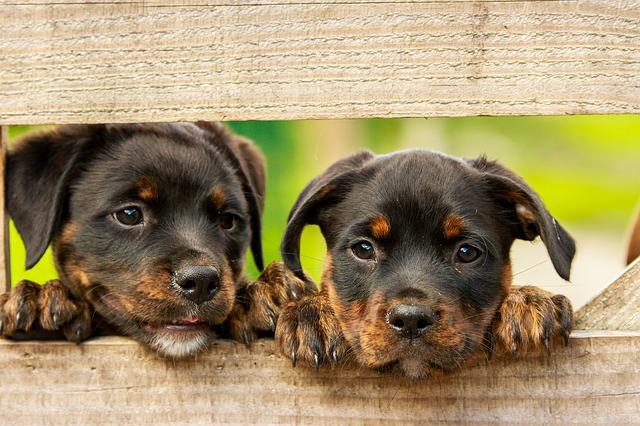
To effectively train your puppy to relax after play sessions, it’s essential to create a structured routine that helps them transition from excitement to calmness. Dogs thrive on consistency, so implementing a post-play ritual will signal to your puppy that it’s time to wind down. This could include activities such as gentle petting, offering a favorite toy, or providing a cozy space where they can feel secure.
One common mistake many owners make is allowing their puppies to remain overly stimulated after playtime. This can lead to continued hyperactivity and make it difficult for them to relax. Instead, focus on creating a calm atmosphere by lowering noise levels, dimming the lights, and minimizing distractions. This will help your puppy associate the end of playtime with relaxation, making the transition smoother.
Understanding Your Puppy’s Energy Levels
Recognizing your puppy’s energy levels is crucial for effective relaxation training. Puppies have bursts of energy, but they also need downtime to recharge. Understanding when your puppy is most energetic can help you plan play sessions accordingly. For instance, after vigorous exercise, a puppy may need more time to unwind before settling down.
Pay attention to your puppy’s signals. Signs of overstimulation can include excessive barking, panting, or difficulty settling down. When you notice these behaviors, it’s time to initiate your relaxation routine. This will help them learn to read their own body signals and understand when it’s time to calm down.
Establishing a Calming Routine
Creating a consistent calming routine is essential for training your puppy to relax after play. Start by designating a specific area in your home as the relaxation zone, where your puppy can feel safe and comfortable. This could be a quiet room or a cozy corner with their bed or blanket.
Incorporate calming activities into this routine, such as gentle petting or offering a chew toy. You can also play soft music or use a white noise machine to create a soothing environment. Over time, your puppy will associate this space and routine with relaxation, making it easier for them to settle down after play sessions.
Common Mistakes to Avoid
One of the most significant mistakes owners make is not recognizing the importance of a cooling-off period after play. Many puppies need time to wind down, and skipping this step can lead to behavioral issues. Another common error is allowing too much excitement to continue after play, which can confuse your puppy about when it’s time to relax.
Additionally, some owners may inadvertently reward hyperactive behavior by giving attention or treats during playtime. Instead, focus on rewarding calm behavior, reinforcing the idea that relaxation is just as valuable as play. This shift in focus will help your puppy learn the importance of settling down.
Using Tools to Aid Relaxation
Incorporating tools can enhance your puppy’s ability to relax after play. Consider using calming aids such as pheromone diffusers, which release soothing scents that can help reduce anxiety. Crate training can also be beneficial, as it provides a safe space for your puppy to retreat and relax.
Additionally, calming music designed for dogs is available and can help create a serene environment. Experiment with different tools to see what works best for your puppy, and always ensure they feel safe and secure in their relaxation space.
Frequently Asked Questions
How long should I play with my puppy before expecting them to relax?
Play sessions should typically last around 20-30 minutes, followed by a structured winding-down period to help your puppy relax.
What are some signs my puppy is ready to relax?
Signs include yawning, lying down, or moving away from play. These indicate they need a break.
Can I use calming treats to help my puppy relax?
Yes, calming treats can be beneficial as part of a relaxation routine, but should not replace training.
What if my puppy refuses to relax?
If your puppy struggles to relax, reassess your routine and ensure they have enough exercise and mental stimulation.
How can I create a relaxing environment for my puppy?
Use soft lighting, calming music, and a designated quiet space to create an ideal relaxing environment.
Conclusion
Training your puppy to relax after play sessions is an essential part of their development. Establishing a calming routine, avoiding common mistakes, and recognizing their energy levels will contribute to a more balanced lifestyle. Remember to create a soothing environment and be patient as your puppy learns this vital skill. By prioritizing relaxation, you will foster a happier, healthier puppy that knows when it’s time to play and when it’s time to unwind.