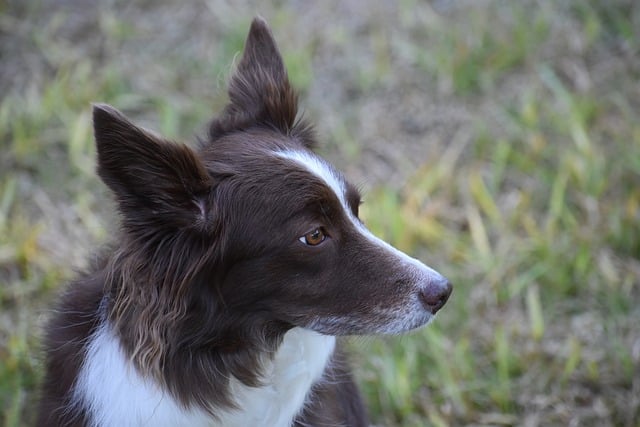
Training a puppy to stay calm around children involves creating a safe and controlled environment where both the puppy and the children can interact positively. The key is to introduce the puppy to children gradually and monitor their behavior closely. Start with calm settings where children can approach the puppy quietly, allowing the puppy to observe without feeling overwhelmed. This process helps the puppy associate children with positive experiences, reducing anxiety and excitement.
One common mistake is rushing the introduction process, which can lead to the puppy becoming overly excited or fearful. It’s crucial to recognize the puppy’s body language, as signs of stress or excitement may indicate that the interaction is too intense. If the puppy shows signs of distress, it’s essential to take a step back and allow them to acclimate at their own pace. Ensuring that the puppy feels secure and relaxed during these interactions is vital for their long-term behavior.
Understanding Puppy Behavior Around Children
Puppies are often curious and energetic, which can lead to excitement when interacting with children. This behavior is natural, but it can become problematic if not managed properly. Understanding the triggers that cause a puppy to become overly energetic is essential for effective training. Factors such as noise, sudden movements, and the playful nature of children can contribute to this excitement.
To manage these behaviors, it’s important to recognize that puppies may need time to adjust to the presence of children. Establishing clear boundaries and teaching the puppy to respond to commands can help mitigate excitement. Training sessions should focus on reinforcing calm behavior through treats and praise, which encourages the puppy to remain composed during interactions.
Techniques for Calm Interactions
Implementing specific training techniques can help ensure that your puppy remains calm around children. Start with basic commands such as “sit” and “stay,” which can help control your puppy’s excitement. When children approach, have them use these commands to engage the puppy in a calm manner.
Another effective technique is desensitization, where the puppy is gradually exposed to the sounds and movements associated with children. Begin with short, controlled sessions where children play quietly nearby, gradually increasing the duration and intensity of the interactions as the puppy becomes more comfortable. This slow exposure helps the puppy learn to remain calm even in stimulating situations.
Common Mistakes to Avoid
One of the most significant mistakes when training a puppy to stay calm around children is failing to supervise interactions closely. Allowing unsupervised play can lead to overwhelming situations for both the puppy and the children, increasing the risk of accidents or negative experiences. Always monitor the puppy’s body language and behavior to ensure they are comfortable.
Another mistake is neglecting to train the children on how to interact with the puppy. Teaching children to approach the puppy calmly and to respect its space is crucial. Children should be instructed to avoid sudden movements or loud noises that could startle the puppy, helping to create a safer environment for everyone involved.
Building Positive Associations
Creating positive associations between your puppy and children is crucial for fostering calm behavior. Use treats and praise to reward the puppy for calm interactions, reinforcing the idea that children bring positive experiences. Encourage children to offer treats to the puppy when it remains calm, further strengthening this association.
Additionally, encourage playtime that involves calm activities, such as gentle fetch or quiet petting. This helps the puppy learn that interactions with children can be enjoyable without being overwhelming. Over time, these positive experiences will contribute to a more relaxed demeanor around children.
For more information on training puppies to stay calm around children, consider exploring resources from reputable pet training organizations and veterinarians. Understanding canine behavior and effective training methods can enhance your approach and lead to better outcomes for both your puppy and the children in your life.
Frequently Asked Questions
What age should I start training my puppy to be calm around children?
Start training your puppy as early as 8 weeks old to build a foundation for calm behavior around children.
How can I tell if my puppy is stressed around children?
Signs of stress in puppies include panting, yawning, whining, or trying to hide. Pay attention to these cues to manage interactions effectively.
What should I do if my puppy gets too excited around children?
If your puppy becomes too excited, calmly remove them from the situation and give them time to relax before reintroducing them to children.
Can I use toys to help my puppy stay calm around children?
Yes, providing toys can help redirect your puppy’s energy and keep them calm during interactions with children.
How long does it take to train a puppy to stay calm around children?
The time it takes varies by puppy, but consistent training over several weeks can lead to significant improvement in their behavior.
Conclusion
Training your puppy to stay calm around children is a gradual process that requires patience and consistency. By understanding puppy behavior, implementing effective techniques, and avoiding common mistakes, you can foster a positive environment for both your puppy and the children. Remember to reinforce calm behavior with positive associations and monitor interactions closely. Prioritize training and supervision to ensure safe and enjoyable experiences for everyone involved.