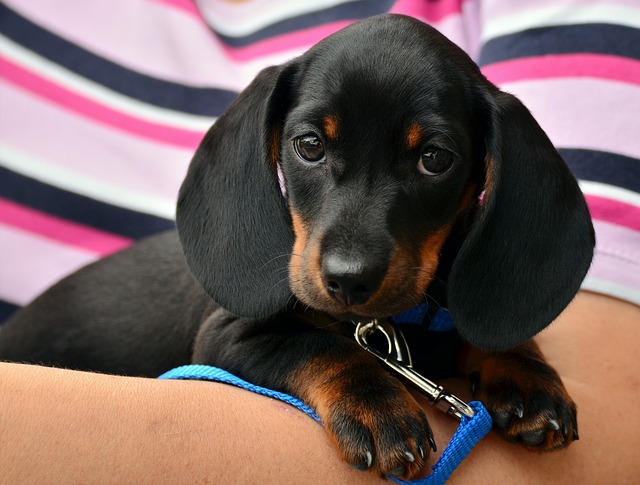
When a puppy refuses to drink water after moving, it can be concerning for any pet owner. This behavior is commonly triggered by stress or anxiety associated with their new environment. Puppies thrive on routine and familiarity, and a sudden change can disrupt their natural instincts, leading to reluctance in drinking water. Ensuring your puppy has access to fresh, clean water and creating a calm atmosphere is crucial to encourage them to hydrate.
Understanding the reasons behind this refusal to drink is essential for addressing the issue effectively. A new home can be overwhelming for a puppy, filled with unfamiliar sounds, smells, and sights. This anxiety can manifest in various ways, including a lack of interest in drinking water. As a responsible pet owner, it is important to recognize these signs and take appropriate action to ease their transition and encourage healthy hydration.
Creating a Comfortable Environment
To help your puppy feel more at ease, start by establishing a comfortable environment. Set up a designated space with their bed, toys, and familiar items from your previous home. This familiarity can help reduce anxiety and encourage them to drink water. Additionally, minimize loud noises and chaotic activities around the puppy, allowing them to acclimate at their own pace.
Providing a safe and quiet area can significantly impact their willingness to drink. Many dogs feel secure in smaller, enclosed spaces, so consider using a crate or a designated corner of a room where they can retreat when feeling overwhelmed. Acclimating to their new surroundings gradually will give your puppy the confidence to explore and hydrate as needed.
Encouraging Hydration
If your puppy is hesitant to drink, there are several strategies to encourage hydration. One effective method is to offer flavored water or low-sodium broth, which can entice them to drink. Additionally, try different types of bowls; some puppies prefer shallow dishes while others may feel more comfortable drinking from a bottle. Experimenting with these options can help find the most appealing choice for your puppy.
Moreover, consider providing fresh water in various locations around the house. This accessibility allows your puppy to drink when they feel comfortable rather than having to seek it out. If your puppy is still reluctant, try introducing wet food or adding water to their kibble, which can help increase their overall fluid intake.
Monitoring Behavior
Monitoring your puppy’s behavior during this adjustment period is crucial. Look for signs of dehydration, such as lethargy, dry gums, or loss of skin elasticity. If you notice any concerning symptoms, it is essential to consult your veterinarian promptly. They can provide specific advice tailored to your puppy’s needs and ensure there are no underlying health issues contributing to the refusal to drink.
Regularly observing your puppy’s hydration habits will help you understand their needs better. If they begin to drink more consistently, it is a positive sign that they are adjusting to their new environment. However, if the issue persists for more than a few days, further investigation may be necessary.
If you’re looking for more insights on puppy hydration and adjustment, consider checking out resources from veterinary organizations or animal behaviorists. They can provide valuable information tailored to your puppy’s specific needs during this transition.
Frequently Asked Questions
What should I do if my puppy refuses to drink water?
Try creating a calm environment, offering flavored water, and ensuring multiple water sources are available.
How can I tell if my puppy is dehydrated?
Signs of dehydration include dry gums, lethargy, and loss of skin elasticity. Consult your vet if you notice these symptoms.
How long can a puppy go without drinking water?
Puppies should not go more than a few hours without water, especially in warm conditions. Monitor their intake closely.
Is it normal for a puppy to not drink water after moving?
Yes, it can be normal due to stress or anxiety from the move. Create a familiar environment to help them adjust.
What can I add to my puppy’s water to encourage drinking?
Adding low-sodium broth or offering flavored water can entice your puppy to drink more.
Conclusion
All in all, if your puppy refuses to drink water after moving, it is essential to create a comfortable, familiar environment to ease their anxiety. Encourage hydration through various methods, such as flavored water and accessible bowls. Consistently monitor their behavior and hydration levels to ensure they are adjusting well. If the issue persists, consult your veterinarian for further guidance to keep your puppy healthy and hydrated during this transition.