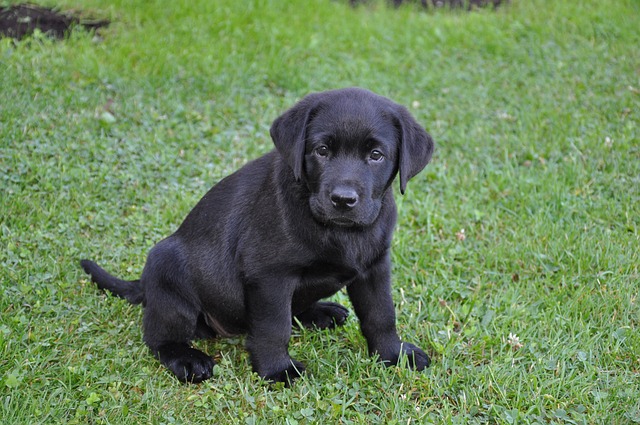
To stop your puppy from jumping on people, use consistent training methods that redirect their energy. Jumping typically stems from excitement or a desire for attention, and it’s crucial to teach them alternative behaviors. Focus on rewarding calm behavior and using commands to manage their enthusiasm. Consistency in training helps establish boundaries and encourages better manners around people.
Many owners mistakenly reinforce jumping by giving attention when their puppy jumps up. This can create confusion for the puppy, as they learn that jumping equals attention. Instead, it’s essential to ignore the behavior and only reward calm interactions. Additionally, teaching your puppy to sit when greeting people can be an effective method to prevent jumping. This creates a clear expectation for their behavior when meeting others.
Understanding the Causes of Jumping
Jumping is a natural behavior for puppies, often driven by excitement and a desire to engage with people. When a puppy encounters someone new or a familiar face, their instinct is to jump up to greet them, which mimics the behavior seen in their canine relatives. Recognizing this helps owners understand that the behavior is not out of defiance but rather a form of communication.
It’s important to note that jumping can also stem from a lack of proper training or socialization. Puppies that haven’t been exposed to different environments or people may jump as a way to gain attention. By understanding these triggers, owners can better tailor their training approaches to address jumping effectively.
Effective Training Techniques
Implementing effective training techniques is crucial for curbing jumping behavior. One of the most successful methods is to teach your puppy the “sit” command. When your puppy begins to jump, calmly ask them to sit. Once they comply, reward them with praise or a treat. This reinforces the idea that calm behavior leads to positive outcomes.
Another technique is to use a leash during greetings. When someone approaches, hold your puppy back gently with the leash until they calm down. This physical barrier can help manage their excitement until they learn to control their impulses. Consistency is key; practice this with various people to solidify the behavior.
Common Mistakes to Avoid
One of the most common mistakes owners make is inadvertently encouraging jumping by reacting positively when their puppy jumps up. This can create a cycle where the puppy learns that jumping results in attention, reinforcing the behavior. It’s essential to remain calm and avoid giving any form of attention, including eye contact, when the jumping occurs.
Additionally, many owners fail to provide enough physical and mental stimulation for their puppies. A lack of exercise can lead to pent-up energy, increasing the likelihood of jumping. Ensure your puppy receives adequate playtime and training exercises to help manage their energy levels effectively.
Managing Excitement Levels
Managing your puppy’s excitement levels is crucial for preventing jumping. Create a calm environment by setting boundaries for greetings. Before allowing your puppy to greet someone, ensure they are in a calm state. If they begin to jump, step back and wait for them to settle before re-engaging.
Incorporating regular exercise and mental stimulation into your puppy’s routine can also help reduce overall excitement. Activities such as puzzle toys, obedience training, and daily walks can keep your puppy physically and mentally satisfied, leading to more controlled behavior during greetings.
Frequently Asked Questions
Why does my puppy jump on people?
Puppies often jump on people out of excitement or a desire for attention. It’s a natural behavior that mimics how dogs greet each other.
How can I prevent my puppy from jumping?
Teach your puppy the “sit” command and reward calm behavior. Consistently redirect their jumping by offering treats or attention only when they are calm.
What should I do when my puppy jumps on guests?
When your puppy jumps on guests, calmly ask them to ignore the puppy until they settle down. You can also use a leash to manage their behavior.
How long will it take to train my puppy not to jump?
Training your puppy not to jump can take several weeks to months, depending on consistency and the individual puppy’s temperament.
Can jumping be a sign of anxiety?
Yes, excessive jumping can sometimes indicate anxiety or a lack of proper socialization. It’s important to address these underlying issues alongside training.
Conclusion
Stopping your puppy from jumping on people requires a combination of understanding their natural instincts and implementing effective training techniques. Focus on teaching commands, redirecting energy, and managing excitement levels consistently. By avoiding common mistakes and providing adequate stimulation, you can help your puppy develop better manners around people. Prioritize calm interactions and reinforce positive behavior to ensure a well-mannered companion.