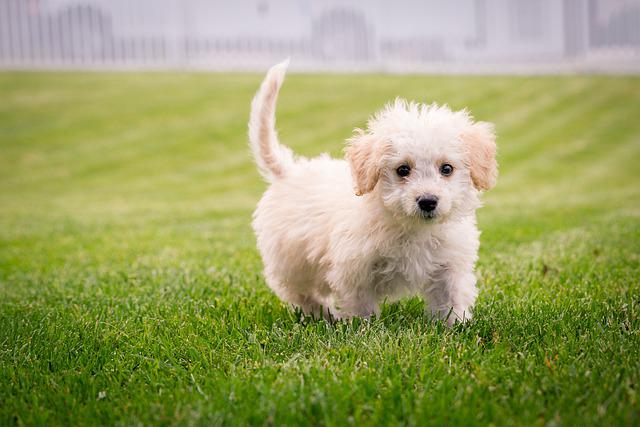
Teaching your puppy to come when called is essential for their safety and your peace of mind. To effectively train your puppy, start by using positive reinforcement methods, such as treats, toys, and praise, whenever they respond correctly to the command. This creates a strong association between the command and the reward, making it more likely that your puppy will come to you in the future.
Many owners make the mistake of only calling their puppy when it’s time for something unpleasant, like going inside or leaving the park. This can create a negative association with the command. Instead, make sure to call your puppy for fun activities and rewards as well. Consistency is crucial; use the same command every time and practice in various environments to help your puppy learn to respond reliably.
Establishing a Command
To start training your puppy, establish a clear, consistent command that you will use every time you want them to come to you. Using a simple word like “come” or a unique sound, such as a whistle, can help. The key is to ensure that your puppy understands this command through repetition and positive reinforcement.
When introducing the command, use a happy, enthusiastic tone to encourage your puppy. Call them in a distraction-free environment and reward them immediately when they respond. This helps them associate the command with positive outcomes. Over time, your puppy will learn to recognize the command and respond accordingly.
Using Positive Reinforcement
Positive reinforcement is the most effective way to train your puppy to come when called. This method involves rewarding your puppy with treats, praise, or playtime whenever they respond to the command. Choose high-value treats that your puppy loves to keep them motivated.
Start by calling your puppy from a short distance. When they come to you, immediately reward them with a treat and praise. As your puppy becomes more reliable, gradually increase the distance from which you call them. Always reward them for coming, even if it takes them a while. This reinforces the behavior and encourages them to come more quickly in the future.
Common Mistakes to Avoid
One common mistake owners make is calling their puppy only when it’s time to end a fun activity. This can lead to reluctance in coming when called. Instead, ensure that you call your puppy for positive experiences, like playtime or treats, to create a strong association with the command.
Another mistake is using harsh tones or scolding your puppy if they don’t come immediately. This can create fear and anxiety around the command. Always maintain a positive demeanor and avoid negative reinforcement. Patience and consistency are key when teaching this important command.
Practicing in Different Environments
Once your puppy has learned to come when called in a quiet setting, it’s time to practice in various environments. Start with low-distraction areas and gradually introduce more distractions, such as other dogs or people. This helps your puppy learn to respond regardless of their surroundings.
During practice sessions, keep the training sessions short and fun. Gradually increase the difficulty by calling your puppy from further away or in busier places. Always reward them for their efforts to encourage continued learning and reliability in different situations.
Frequently Asked Questions
What age should I start training my puppy to come when called?
You can start training your puppy to come when called as early as 8 weeks old, focusing on positive reinforcement and consistency.
How long will it take for my puppy to learn to come when called?
Every puppy learns at their own pace, but with consistent practice, most puppies can learn the command within a few weeks.
Should I use treats every time I call my puppy?
Initially, reward your puppy with treats every time they respond. As they become more reliable, you can gradually reduce the frequency of treats.
What if my puppy ignores me when I call?
If your puppy ignores you, avoid punishment. Instead, try using a higher-value reward or practice in a less distracting environment.
Is it okay to call my puppy when I need to scold them?
Avoid calling your puppy for negative experiences. This can create a negative association with the command, making them less likely to respond in the future.
Conclusion
Teaching your puppy to come when called is a vital skill that enhances their safety and strengthens your bond. Focus on positive reinforcement, consistency, and creating a fun learning environment. Avoid common mistakes, such as only calling your puppy for negative experiences, and practice in various settings to build reliability. With patience and dedication, your puppy will learn to respond to your call, making outings safer and more enjoyable.