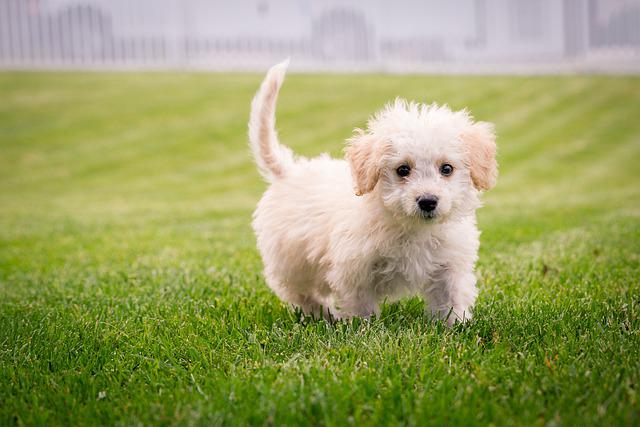
Building good habits in a young puppy involves consistent reinforcement of desired behaviors through positive training techniques. Puppies are highly impressionable, making early training crucial for establishing lifelong habits. Focus on regular routines, clear commands, and rewarding good behavior to foster a well-behaved companion.
Establishing good habits early on sets the foundation for a well-adjusted adult dog. Puppies learn through repetition and positive reinforcement, meaning that rewarding desired behaviors—like sitting, staying, or walking calmly on a leash—encourages them to repeat those actions. One common mistake is expecting immediate results without understanding that patience and consistency are vital components of effective training.
Additionally, socialization plays a key role in shaping a puppy’s behavior. Exposing them to different people, dogs, and environments helps them become more adaptable and reduces the likelihood of fear-based reactions later in life. Ensure that these experiences are positive and controlled to foster confidence and good manners.
The Importance of Consistency in Training
Consistency is a cornerstone of effective puppy training. Establishing a routine helps your puppy understand what is expected of them. Use the same commands and hand signals for specific behaviors to avoid confusion. This repetition aids their learning process and reinforces good habits.
Inconsistent training can lead to confusion and frustration for both the puppy and the owner. For instance, if a puppy is rewarded for sitting on one occasion but scolded for the same behavior later, it creates uncertainty about what is acceptable. Consistent rules and expectations help puppies feel secure and understand their boundaries.
Positive Reinforcement Techniques
Positive reinforcement is a powerful tool in building good habits. This method involves rewarding your puppy for exhibiting desired behaviors, which encourages them to repeat those actions. Rewards can include treats, praise, or playtime, depending on what motivates your puppy the most.
To effectively implement positive reinforcement, timing is crucial. Reward your puppy immediately after they perform the desired behavior to create a clear association. For example, if your puppy sits on command, offering a treat right away helps them link the command to the action. This method not only builds good habits but also strengthens the bond between you and your puppy.
Socialization: Key to Well-Adjusted Behavior
Socialization is essential for puppies as it helps them develop into well-rounded dogs. Introducing your puppy to various environments, people, and other animals teaches them how to interact appropriately in different situations. Early socialization can prevent behavioral issues like aggression or fear later in life.
To socialize your puppy effectively, ensure these experiences are positive. Take them to puppy classes, parks, or invite friends over to interact with them. Gradually exposing your puppy to new experiences in a controlled manner helps them build confidence and reduces anxiety in unfamiliar situations.
Common Mistakes to Avoid
Many new puppy owners make mistakes that can hinder their training efforts. One common error is over-correcting or using negative reinforcement, which can lead to fear and anxiety in puppies. Instead of scolding, redirect unwanted behaviors and reward positive actions.
Another mistake is failing to socialize adequately, which can result in fearful or aggressive behavior as the puppy matures. Prioritize exposing your puppy to different environments and social situations to prevent these issues. To wrap up, be mindful of your own reactions; puppies are perceptive and can pick up on their owner’s emotions, so maintaining a calm demeanor is essential.
Frequently Asked Questions
What age should I start training my puppy?
Start training your puppy as early as 8 weeks old, focusing on basic commands and socialization.
How long should training sessions be?
Training sessions should last about 5-10 minutes for young puppies to keep their attention focused.
What are the best rewards for training?
Training sessions should last about 5-10 minutes for young puppies to keep their attention focused.
Is it too late to train my puppy?
No, it’s never too late to train a puppy; even older dogs can learn new habits with patience and consistency.
How do I stop my puppy from biting?
Redirect biting behavior to appropriate toys and reward them for chewing on those instead.
Conclusion
Building good habits in a young puppy is essential for their development into a well-behaved adult dog. Consistency in training, positive reinforcement, and early socialization are key factors that contribute to successful behavior change. Avoid common pitfalls like over-correction and insufficient socialization to ensure your puppy thrives. Focus on maintaining a positive and patient approach to help your puppy grow into a confident and happy companion.