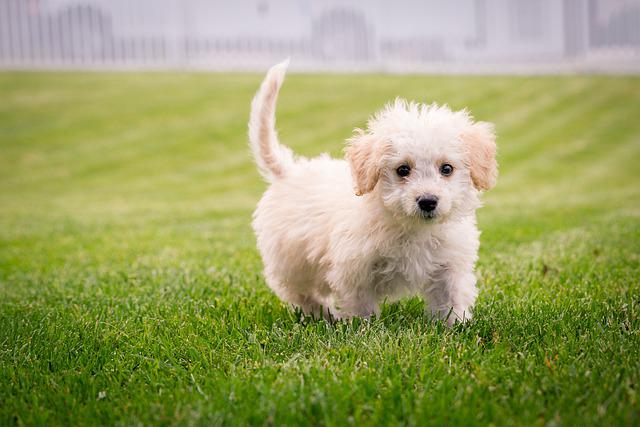
Crate training a puppy without stress involves making the crate a welcoming and secure environment. This process starts with creating positive associations through treats and gradual acclimatization. Begin by allowing your puppy to explore the crate freely, using treats to encourage them to enter. Once your puppy feels comfortable, gradually increase the time they spend inside the crate, ensuring that they associate this space with safety rather than confinement.
Understanding the importance of the crate in your puppy’s training is essential. It serves not only as a training tool but also as a safe haven for your puppy. Many owners make the mistake of using the crate as a form of punishment, which can lead to anxiety and resistance. Instead, it’s vital to foster a positive mindset toward the crate through consistent reinforcement and patience.
Choosing the Right Crate
Choosing the right crate is crucial for successful crate training. A crate should be appropriately sized; your puppy should be able to stand, turn around, and lie down comfortably. If the crate is too large, your puppy may use one side as a bathroom, which can hinder training. Consider materials that suit your puppy’s chewing habits and your home environment, such as plastic, metal, or fabric.
When selecting a crate, prioritize durability and safety. Look for products with secure latches and ventilation to keep your puppy comfortable. Additionally, some crates come with dividers that allow you to adjust the space as your puppy grows, making it a more economical choice in the long term.
Introducing the Crate
Introducing the crate should be a gradual process to prevent stress. Start by placing the crate in a common area where your puppy feels comfortable. Encourage exploration by tossing treats or toys inside. Allow your puppy to enter and exit freely without forcing them, which could lead to fear.
Positive reinforcement is key during this phase. Reward your puppy with praise and treats when they show interest in the crate. You can also cover the crate with a blanket to create a den-like atmosphere, making it more inviting. Ensure that the crate remains a positive experience by never using it for punishment.
Establishing a Routine
Establishing a consistent routine is essential for successful crate training. Puppies thrive on routine, which helps them understand when it’s time to eat, play, and rest. Schedule regular feeding times to predict when your puppy will need to go outside, and use this time to encourage crate use.
Incorporate crate time into your daily schedule, especially during quiet times when your puppy might naturally want to rest. Gradually increase the duration they spend in the crate while you are home, so they learn that being crated is a normal part of their day.
Addressing Common Challenges
Many owners face challenges during crate training, such as whining or barking. These behaviors often indicate that your puppy is anxious or needs to relieve themselves. It’s important to differentiate between genuine needs and attention-seeking behavior. If your puppy whines, wait a moment before responding to see if they settle down.
Another common issue is the puppy’s reluctance to enter the crate. If this occurs, revisit the introduction phase and ensure the crate is associated with positive experiences. You might also try feeding your puppy their meals inside the crate or using interactive toys to make the crate more appealing.
Frequently Asked Questions
How long can I leave my puppy in the crate?
Puppies should not be crated for more than one hour for every month of age. For example, a two-month-old puppy can stay in the crate for about two hours.
What should I do if my puppy cries in the crate?
If your puppy cries, wait a moment to see if they settle down. If they persist, take them outside for a bathroom break and return them to the crate afterward.
Can I use the crate for punishment?
No, the crate should never be used as a punishment, as this can create fear and anxiety associated with the crate.
How can I make the crate more comfortable?
Add a soft blanket or bed inside the crate to make it cozy. You can also include toys to keep your puppy entertained.
What if my puppy refuses to enter the crate?
If your puppy is hesitant, revert to positive reinforcement techniques, using treats to encourage them to explore and enter the crate.
Conclusion
Crate training a puppy without stress requires patience and understanding. Focus on creating a positive environment by introducing the crate gradually and establishing a routine. Address common challenges with empathy and reinforce the crate as a safe space. By prioritizing comfort and security, you’ll help your puppy adapt to the crate, making the process smoother for both of you.