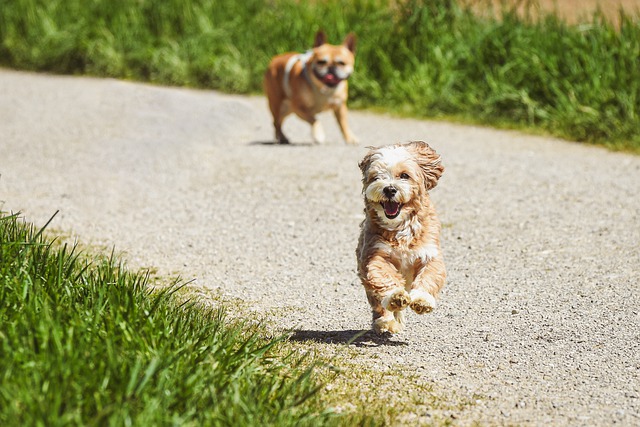
One common reason puppies pull on the leash is their boundless energy and eagerness to explore the world around them. Puppies are naturally curious and may become distracted by sights, sounds, and smells. If they are not adequately trained to walk on a loose leash, they will instinctively pull towards whatever catches their attention. Additionally, if they have not had enough physical exercise prior to the walk, their pent-up energy can lead to more pulling. This behavior can be exacerbated by owners inadvertently reinforcing it by allowing the puppy to move toward their desired destination when they pull.
Understanding Puppy Behavior
Puppies are inherently curious and energetic, which often leads to pulling on the leash. This behavior stems from their instinctual need to explore their environment. When they see something interesting, their immediate reaction is to pull towards it. Understanding this natural behavior is the first step in addressing it effectively. Recognizing that puppies do not yet have the self-control of adult dogs is essential for owners.
Moreover, the pulling can also be a manifestation of excitement. As puppies encounter new smells and sights, their excitement can overwhelm their training. This behavior can become habitual if not addressed promptly. Owners should be aware of the triggers that cause their puppy to pull and take steps to mitigate these distractions during walks. Proper socialization can help reduce this impulsive behavior by exposing puppies to different environments and stimuli in a controlled manner.
The Importance of Training
Training is crucial for teaching puppies proper leash manners. Without consistent training, puppies are likely to continue pulling as they grow. Effective training methods focus on reinforcing positive behaviors rather than punishing unwanted ones. Teaching commands such as “heel” or using treats to reward walking beside the owner can significantly improve leash manners.
Consistency is key when training a puppy not to pull. Training sessions should be frequent but short to keep the puppy engaged. Owners should practice loose-leash walking in low-distraction environments before gradually introducing more stimulating settings. This progressive approach helps puppies learn to manage their excitement and stay focused on their owner.
Techniques to Stop Pulling
Several techniques can help address pulling behavior effectively. One popular method is the “stop and go” technique, where the owner stops walking whenever the puppy pulls. This teaches the puppy that pulling will not get them where they want to go. Once the leash is loose, the owner can resume walking, reinforcing the desired behavior.
Another effective approach is to change direction when the puppy pulls. By altering the path, the owner encourages the puppy to pay attention and follow. Using positive reinforcement, such as treats or praise, when the puppy walks beside the owner can also encourage good behavior. These techniques require patience and consistency but can lead to significant improvements in leash manners.
Common Mistakes Owners Make
Many owners inadvertently reinforce pulling by allowing their puppies to reach their desired destination when they pull on the leash. This can create a cycle where the puppy learns that pulling is an effective way to get what they want. Additionally, using harsh corrections or yelling can create fear and anxiety, making the pulling behavior worse.
Another common mistake is not providing enough exercise before walks. A tired puppy is less likely to pull, as they will have less energy to expend. Owners should ensure their puppies receive adequate physical and mental stimulation throughout the day to help reduce pulling behavior during walks.
Frequently Asked Questions
Why does my puppy pull on the leash?
Puppies pull on the leash primarily due to excitement and curiosity, driven by their natural instincts to explore.
How can I stop my puppy from pulling on the leash?
Use techniques like the “stop and go” method, changing directions when they pull, and rewarding them for walking beside you.
Is it normal for puppies to pull on the leash?
Yes, it’s normal behavior for puppies as they are energetic and curious, but it should be addressed with training methods.
What should I do if my puppy is too excited while walking?
Ensure your puppy receives adequate exercise before walks to help manage their excitement levels during walks.
How long does it take to train a puppy not to pull on the leash?
Training duration varies, but with consistent practice, noticeable improvements can be seen within a few weeks.
Conclusion
Addressing leash pulling in puppies requires understanding their natural behaviors and implementing effective training techniques. By recognizing the causes of pulling, such as excitement and curiosity, and using consistent training methods, owners can significantly improve their puppy’s leash manners. Prioritizing exercise before walks and avoiding common mistakes can further enhance the training process. With patience and dedication, owners will enjoy more pleasant walks with their puppies.