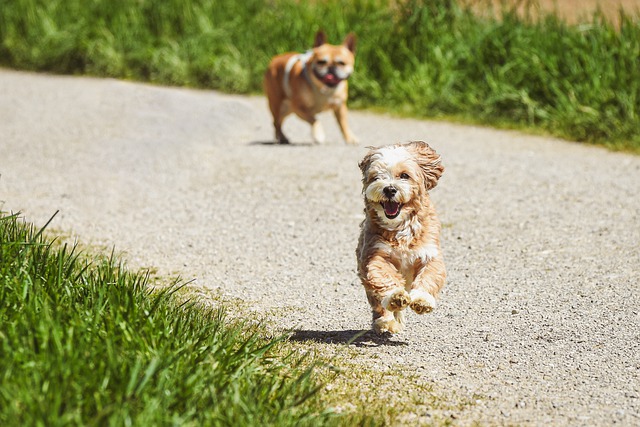
Many owners overlook the significance of age-specific training techniques, which can lead to frustration and setbacks. For example, puppies are particularly receptive to socialization between 3 and 14 weeks. Missing this window can result in fearfulness or aggression in unfamiliar situations later on. Therefore, it’s crucial to prioritize exposure to various environments, people, and other animals within this timeframe.
Understanding Developmental Stages
Developmental stages in puppies are crucial for effective training. Puppies go through significant growth phases, typically categorized into sensitive periods where they are more receptive to learning. Understanding these stages can help you create a training plan that aligns with their natural development.
For instance, the first few months are foundational for social skills, where puppies learn to interact with their environment. Many owners mistakenly believe that training can begin later, but starting early can prevent behavioral issues. Prioritize consistency and positive reinforcement to establish good habits that persist as they grow.
Essential Socialization Periods
Socialization is a critical aspect of puppy training that occurs primarily between 3 and 14 weeks of age. During this period, puppies are most open to new experiences, making it an ideal time to introduce them to diverse people, places, and situations.
Failing to socialize adequately can lead to anxiety and aggression in adult dogs. To maximize this window, expose your puppy to various environments and experiences, gradually increasing the complexity as they become more comfortable. This proactive approach helps them develop confidence and adaptability.
Training Techniques for Different Ages
Different techniques are necessary as puppies age. For instance, while younger puppies may respond well to playful and short training sessions, older puppies require more structured approaches. Tailoring your methods to their developmental stage is key to effective learning.
For younger puppies, focus on basic commands using positive reinforcement. As they grow, incorporate more complex commands and behaviors. Avoid overwhelming them with too much information too quickly. Instead, break down training into manageable steps to ensure comprehension and retention.
Common Challenges in Puppy Training
Training challenges often arise from misaligned expectations or lack of understanding of a puppy’s developmental needs. Owners may become frustrated if they expect a puppy to learn commands instantly without considering their age and learning capacity.
To counter this, it’s essential to maintain realistic expectations. Recognize that mistakes are part of the process, and focus on reinforcing positive behavior rather than punishing mistakes. This approach fosters a trusting relationship between you and your puppy, enhancing the training experience.
For more on The Puppy Training Timeline No One Explains, consult authoritative sources such as the American Kennel Club (AKC) training guides, the American Veterinary Medical Association (AVMA), and the ASPCA. These references provide detailed explanations and step-by-step techniques to reinforce the commands and training discussed here.
Frequently Asked Questions
What age should I start training my puppy?
Begin training your puppy as early as 8 weeks old, focusing on socialization and basic commands.
Why is socialization important for puppies?
Socialization helps puppies develop confidence and reduces the likelihood of behavioral issues later in life.
What common mistakes do puppy owners make?
Common mistakes include inconsistent training methods and failing to socialize adequately during critical developmental windows.
How long should training sessions last?
Keep training sessions short, around 5-10 minutes, to maintain your puppy’s attention and prevent frustration.
What should I focus on during the first few weeks of training?
Focus on socialization, basic commands, and establishing a routine to help your puppy adjust to their new environment.
Conclusion
All in all, understanding the puppy training timeline is crucial for fostering a well-adjusted dog. Focus on key developmental milestones, prioritize socialization, and adapt your training techniques to your puppy’s age. By doing so, you can prevent common behavioral issues and create a trusting relationship that enhances learning. Start early, stay consistent, and be patient, as these efforts will pay off in the long run.
For more on The Puppy Training Timeline No One Explains: Key Milestones and Common Challenges, consult authoritative sources such as the American Kennel Club (AKC) training guides, the American Veterinary Medical Association (AVMA), and the ASPCA. These references provide detailed explanations and step-by-step techniques to reinforce the commands and training discussed here.