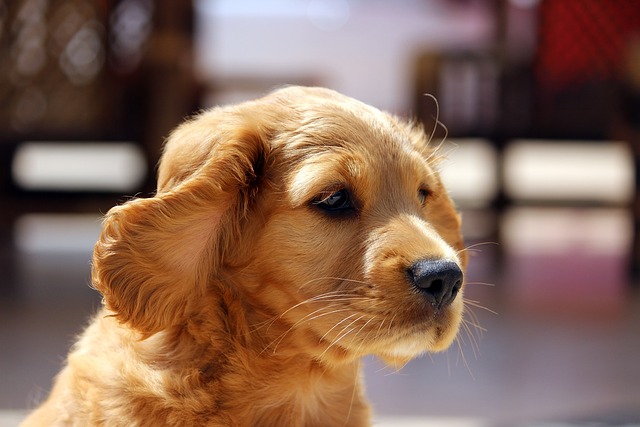
For instance, if your puppy is afraid of loud noises, try to find a quieter area for potty breaks. Additionally, ensure that your puppy has had enough opportunities to relieve themselves before heading out, as they may simply not feel the urge at that moment.
Understanding Your Puppy’s Fear of the Outdoors
Puppies are naturally curious yet can also be fearful of new environments. This fear can manifest as a refusal to go potty outside. Acknowledge that your puppy may need time to acclimate to the outdoors. Gradually expose them to different environments, starting with your backyard or a quiet area, to help them adjust.
To help ease their anxiety, spend time outside with them, using treats and praise to create a positive association with the space. Always monitor their body language; if they seem uncomfortable, take a step back and try again later. Patience and positive reinforcement are key in building their confidence.
The Importance of Consistent Potty Training
Consistent training is vital for puppies to understand where and when they should go potty. If your puppy is not fully house-trained, they may not recognize the outdoors as an appropriate place to relieve themselves. Establish a regular schedule for potty breaks, taking them out after meals, playtime, and waking up.
Utilize a designated potty area outside and encourage your puppy to use it by taking them there consistently. If they go potty outside, reward them immediately with praise or treats. This reinforces the idea that going outside is positive and expected.
Common Environmental Distractions
Environmental distractions can hinder your puppy’s willingness to go potty outside. Noises from cars, other dogs, or even people can divert their attention and make them hesitate to relieve themselves. To combat this, find a quieter spot where your puppy feels safe.
Use these outings to train your puppy to focus on you and their potty task. Bring along their favorite toy or treat to maintain their attention. If they are easily distracted, practice short, focused outdoor sessions to build their confidence and reduce anxiety.
Health Issues That May Affect Potty Behavior
Sometimes, a refusal to go potty outside can indicate underlying health issues. Conditions such as urinary tract infections, gastrointestinal problems, or anxiety disorders may cause discomfort or fear. If your puppy consistently refuses to go outside and shows signs of distress, consult a veterinarian to rule out any medical issues.
While waiting for an appointment, monitor your puppy’s drinking and eating habits. If they seem lethargic or show changes in behavior, these could be signs of a more serious problem that needs immediate attention.
For more on Why Your Puppy Refuses to Go Potty Outside, consult authoritative sources such as the American Kennel Club (AKC) training guides, the American Veterinary Medical Association (AVMA), and the ASPCA. These references provide detailed explanations and step-by-step techniques to reinforce the commands and training discussed here.
Frequently Asked Questions
What should I do if my puppy refuses to go potty outside?
Start by identifying any fears or distractions in the environment. Gradually acclimate your puppy to outdoor spaces and ensure a consistent potty routine.
How can I help my puppy feel more comfortable outside?
Spend time outside with your puppy, using treats and praise to create positive associations. Gradually expose them to different environments.
What are some signs my puppy may have a health issue affecting potty behavior?
Watch for signs like lethargy, changes in appetite, or discomfort while trying to potty. If these occur, consult a veterinarian.
Can distractions outside prevent my puppy from going potty?
Yes, noises and other animals can distract your puppy. Choose a quiet area to reduce distractions and help them focus.
How do I establish a consistent potty routine?
Take your puppy outside at regular intervals, especially after meals and playtime. Use the same spot each time to create a routine.
Conclusion
Puppies may refuse to go potty outside for various reasons, including fear, distractions, or incomplete training. Understanding the underlying cause is essential for successfully encouraging outdoor potty habits. Prioritize creating a positive outdoor experience and maintaining a consistent potty routine. If challenges persist, don’t hesitate to seek professional guidance to ensure your puppy’s well-being and comfort.