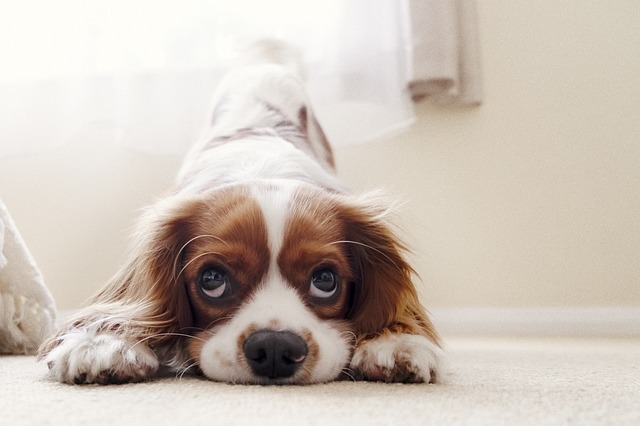
This training typically begins as soon as you bring your puppy home, and it’s essential for fostering a harmonious relationship between you and your pet.
Understanding the common pitfalls in house training can help you avoid frustration. Many new puppy owners underestimate the need for consistency in routines, which is crucial for their puppy’s success. Puppies thrive on predictable schedules; therefore, establishing a regular feeding and potty schedule is essential. Additionally, recognizing your puppy’s signals, such as sniffing or circling, can help you anticipate when they need to go outside.
Creating a Potty Schedule
Establishing a consistent potty schedule is one of the most effective strategies for house training your puppy. Schedule regular potty breaks, especially after meals, naps, and playtime. This routine helps your puppy develop a strong association between the outdoors and relieving themselves.
Additionally, take your puppy out frequently, particularly during their early months. Young puppies have limited bladder control and may need to go out every couple of hours. By adhering to a strict schedule, you can significantly reduce the likelihood of indoor accidents.
Using Positive Reinforcement
Positive reinforcement is a powerful tool in puppy training. Reward your puppy with praise, treats, or playtime immediately after they relieve themselves outside. This approach reinforces the desired behavior and encourages them to repeat it in the future.
Be mindful of timing when providing rewards. Deliver the reward promptly after the action to create a strong association. Over time, your puppy will learn that going outside leads to positive outcomes, making them more likely to seek the outdoors for bathroom needs.
Common Mistakes to Avoid
Avoiding common mistakes can streamline the house training process. One frequent error is punishing a puppy for accidents. This approach can create fear and confusion, leading to more accidents. Instead, focus on understanding your puppy’s needs and providing guidance.
Another mistake is failing to supervise your puppy adequately. When you cannot watch them, confine them to a small area or crate. This confinement helps them learn to hold their bladder and reduces the chances of accidents.
Dealing with Accidents
Accidents are a normal part of the house training process, especially for young puppies. If your puppy has an accident indoors, clean the area thoroughly to eliminate odors that may encourage them to repeat the behavior. Use enzymatic cleaners designed for pet messes.
Stay calm and avoid scolding your puppy. Instead, focus on reinforcing good behavior when they go outside. Remember that patience and consistency are vital in navigating any challenges that arise during training.
Frequently Asked Questions
What age should I start house training my puppy?
House training can begin as early as 8 weeks old. Puppies at this age are capable of learning basic routines and associations.
How long does it take to house train a puppy?
The time it takes to house train a puppy can vary widely, but most puppies learn the basics within 4 to 6 months with consistent training.
What should I do if my puppy has an accident?
Clean the area thoroughly with an enzymatic cleaner and avoid punishing your puppy. Focus on reinforcing good behavior when they go outside.
Can I use puppy pads during training?
Puppy pads can be useful for certain situations, but they may delay the learning process. It’s best to transition to outdoor potty training as soon as possible.
How do I know my puppy needs to go outside?
Signs that your puppy needs to go outside include sniffing, circling, whining, or heading toward the door. Pay attention to these cues to prevent accidents.
Conclusion
Ultimately, successful puppy house training hinges on establishing consistent routines, using positive reinforcement, and understanding your puppy’s needs. Focus on creating a structured potty schedule, rewarding good behavior, and addressing accidents calmly. By prioritizing these elements, you can foster a positive learning environment that supports your puppy’s development and strengthens your bond.