Puppies exhibit several signs indicating they understand basic commands, including immediate responses to cues, consistent eye contact, and eagerness to engage during training sessions. These behaviors suggest a growing connection between verbal instructions and actions, crucial for effective training.
Recognizing these signs early can greatly enhance your training efforts and strengthen your bond with your puppy. For instance, if your puppy responds promptly to commands like “sit” or “stay,” it demonstrates their understanding and willingness to comply. This responsiveness is often accompanied by focused attention, where your puppy maintains eye contact and appears engaged in the training process, indicating they are actively listening and processing your commands.
Immediate Response to Commands
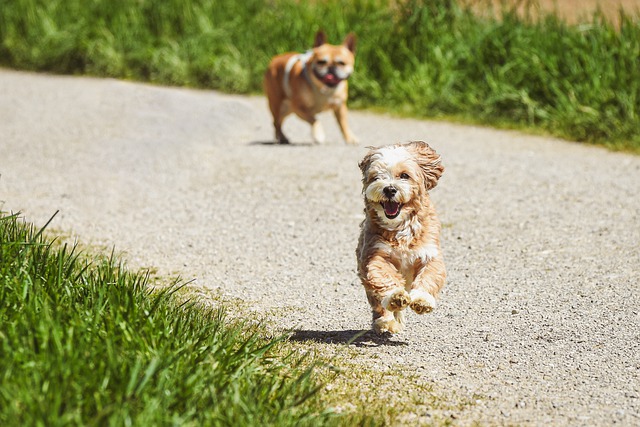
One of the clearest signs that your puppy understands basic commands is their immediate response to those commands. When you issue a command and your puppy reacts without hesitation, it indicates they have learned to associate the command with a specific action. This can be observed when you say “come” and your puppy runs towards you without delay.
However, it’s essential to note that the speed of response can vary based on distractions in the environment. For example, if your puppy takes longer to respond when there are other dogs or interesting smells around, it doesn’t necessarily mean they haven’t learned the command. Training in various environments can help reinforce their understanding and improve their responsiveness.
Positive Body Language
Another important sign is your puppy’s body language when commands are given. A relaxed posture, wagging tail, and perked ears indicate that your puppy is attentive and engaged. When they respond to a command with enthusiasm, it shows they not only understand but also enjoy the interaction.
Conversely, if your puppy displays signs of stress or confusion—such as cowering, turning away, or excessive barking—it may indicate they are unsure about what is being asked of them. In these cases, it’s crucial to revisit the training method and ensure that commands are being communicated clearly. Positive reinforcement can help boost their confidence and willingness to respond.
Engagement and Playfulness
Engagement during training sessions is another strong indicator that your puppy understands commands. Puppies that are eager to participate and show excitement when training are likely making connections between your commands and their actions. This can be seen when they eagerly approach you, ready to perform the command and receive praise or treats.
It’s important to keep training sessions short and fun to maintain their interest. If your puppy begins to lose focus or appears disinterested, it may be time to switch activities or take a break. Keeping training sessions enjoyable reinforces their understanding and encourages them to actively engage.
Consistency in Behavior
Consistency in your puppy’s behavior across different commands is a strong sign of understanding. If your puppy reliably performs a command over time and in various settings, it indicates that they have internalized the command’s meaning. For example, if they consistently sit when asked, even in the presence of distractions, it shows they have grasped the command well.
However, inconsistency can occur, particularly if commands are issued in varied tones or contexts. To enhance understanding, maintain a consistent tone and environment when practicing commands. This will help solidify their learning and reduce confusion.
Frequently Asked Questions
What are some common signs that my puppy understands commands?
Common signs include immediate responses to commands, maintaining eye contact, and showing eagerness during training sessions.
How can I improve my puppy’s understanding of commands?
Use consistent commands, positive reinforcement, and keep training sessions engaging and fun to enhance your puppy’s understanding.
What should I do if my puppy is not responding to commands?
If your puppy isn’t responding, assess the training environment for distractions, and ensure commands are clear and consistent.
How long does it take for a puppy to understand basic commands?
The time it takes for a puppy to understand commands varies; consistent training can lead to understanding within weeks.
Is it normal for puppies to be inconsistent in responding to commands?
Yes, inconsistency is common, especially with distractions or changes in the training environment. Consistent practice helps.
Further Reading
Authoritative Sources
- A Guide to Basic Puppy Training Commands - Zigzag
zigzag.dogYour puppy understands tone but only in so much that generally a light and happy tone means you're pleased with them and a stern or harsh tone ...
- Three Behavior Cues Every Dog Needs to Know (And How ...
dogingtonpost.comI'm going to show you how to approach the three basic behaviors and commands every dog should know for both your benefit and theirs. With ...
- Basic Puppy Training: What Your Dog Should Know by 1 ...
redferncompanions.comBy 6 months, your puppy should have a solid understanding of the most important basic commands. These are the foundation of basic puppy ...
- The 7 Essential Commands Every Dog Needs to Know
thisdogslife.coOne of the most basic commands, the “sit” gives your dog a time-out, helps her control her impulses at places like street crossings, and teaches ...
Conclusion
Recognizing the signs that your puppy understands basic commands is vital for effective training. Look for immediate responses, positive body language, and consistent behavior across different contexts. By maintaining a fun and consistent training environment, you can reinforce their learning and strengthen your bond. Focus on positive reinforcement to encourage engagement and ensure your puppy feels secure in their understanding. With patience and consistency, your puppy will thrive in their ability to follow commands.