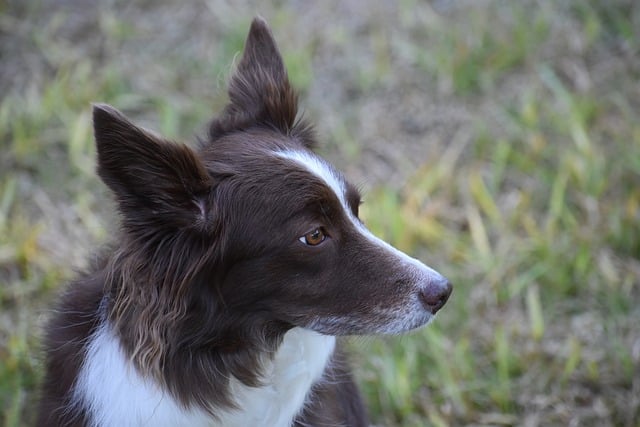
Without a clear training timeline, many owners make the mistake of waiting too long to address behavioral problems or implementing strategies that are inappropriate for their puppy’s developmental stage. For example, attempting advanced obedience training before a puppy has mastered basic commands can lead to frustration for both the owner and the dog. Prioritizing the right training methods at the right time is essential for effective learning and long-term success.
Understanding Puppy Development Stages
Puppies go through several key developmental stages that significantly impact their learning capabilities and social skills. These stages include the neonatal period, transitional phase, socialization period, and juvenile stage. Recognizing these phases allows owners to tailor their training approaches accordingly. For instance, the socialization period (usually between 3 to 14 weeks) is critical for exposing puppies to various environments, people, and other animals.
Failing to provide adequate socialization during this window can lead to fearfulness and aggressive tendencies later in life. Therefore, ensuring that your puppy experiences a variety of situations, sounds, and sights is paramount. Additionally, understanding that each puppy will progress at their own pace helps set realistic expectations for training outcomes.
The Importance of Early Socialization
Early socialization is one of the most critical aspects of the puppy training timeline. Introducing your puppy to new experiences, people, and other pets during the socialization window can significantly affect their behavior in adulthood. This period lays the groundwork for a well-adjusted dog, making them more adaptable and less fearful of unfamiliar situations.
Many owners mistakenly believe that socialization is just about meeting other dogs; however, it encompasses a broader range of experiences. Taking your puppy on car rides, exposing them to different sounds, and introducing them to various environments can make a substantial difference. A lack of socialization can result in behavioral issues that are much harder to correct later on.
Crucial Training Techniques for Each Stage
Different developmental stages require different training techniques. For example, during the neonatal stage, focus on gentle handling to get your puppy accustomed to human interaction. As they transition into the socialization phase, use positive reinforcement to encourage good behavior when they encounter new experiences. By the time they reach the juvenile stage, it’s essential to introduce more structured training, such as basic commands and house rules.
Moreover, understanding the appropriate time to introduce skills like crate training or leash walking is vital. Each skill should be introduced gradually, respecting the puppy’s comfort levels and developmental readiness. Misjudging timing can lead to setbacks, as puppies may become overwhelmed or resistant if skills are introduced too early or too late.
Common Mistakes to Avoid in Puppy Training
Many first-time dog owners fall into common traps when training their puppies. One major mistake is inconsistency in commands and expectations. If family members use different commands or have varying rules, it can confuse the puppy, leading to frustration for everyone involved. Establishing a uniform approach to training is crucial.
Another frequent error is neglecting to address behavioral issues promptly. For example, if a puppy exhibits nipping or jumping behaviors, addressing these issues immediately is vital. Waiting until they become ingrained habits makes correction much more challenging. Understanding the training timeline helps owners recognize when to intervene and how to do so effectively.
Further Reading
For those looking to deepen their understanding of puppy training, a variety of reputable resources are available. The American Kennel Club offers a wealth of information on training techniques and best practices. Additionally, books by renowned dog trainers can provide insights into effective training methods tailored to specific breeds and temperaments.
Further Reading
Authoritative Sources
- American Kennel Club
akc.orgTrusted dog training, behavior, breed, and puppy care guidance.
- American Veterinary Medical Association
avma.orgVeterinary guidance and animal health resources from a major professional association.
- ASPCA Pet Care
aspca.orgAnimal care, behavior, and safety resources for pet owners.
- Merck Veterinary Manual
merckvetmanual.comDetailed veterinary reference material on animal conditions, care, and treatment topics.
- AAHA for Pet Owners
aaha.orgPet owner guidance from the American Animal Hospital Association.
Frequently Asked Questions
What is the best age to start training a puppy?
The ideal age to start training a puppy is around 7-8 weeks, as this is when they are most receptive to learning and socialization.
How long should training sessions be for puppies?
Training sessions should be short, around 5-10 minutes, to maintain the puppy’s attention and enthusiasm.
Can I train my puppy without professional help?
Yes, many owners successfully train their puppies at home using positive reinforcement techniques and online resources.
What are the signs of a well-trained puppy?
A well-trained puppy responds to basic commands, exhibits good behavior in various situations, and shows signs of confidence and comfort around people and other animals.
How do I handle behavioral issues in my puppy?
Address behavioral issues immediately using positive reinforcement to encourage desired behaviors and discourage unwanted ones.
Conclusion
Understanding The Puppy Training Timeline No One Explains is essential for new dog owners seeking to raise a well-adjusted and obedient pet. By recognizing the key developmental stages and implementing appropriate training techniques at the right times, you can avoid common pitfalls and build a lasting bond with your puppy. Prioritize early socialization, stay consistent in your training approach, and address issues as they arise for the best outcomes. Your commitment to this timeline will set the foundation for a happy and well-behaved companion.