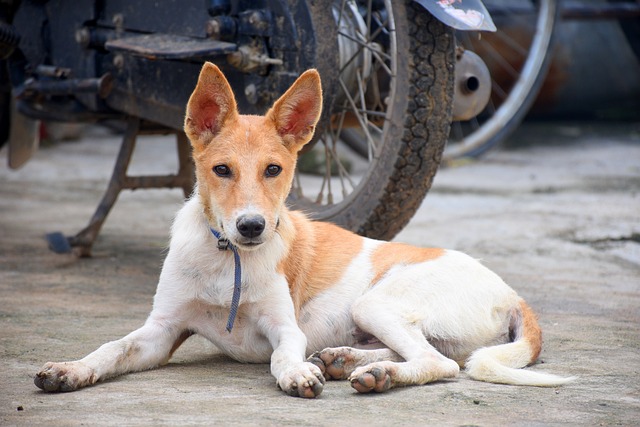
One common mistake among pet owners is assuming that puppies will automatically know where to go. In reality, they require guidance and reinforcement to develop proper potty habits. Establishing a routine, such as taking your puppy out after meals, playtime, and naps, helps them learn the right times to relieve themselves. Additionally, if accidents persist despite training, it’s essential to consult a veterinarian to rule out potential medical issues.
Another factor contributing to accidents is the puppy’s natural curiosity and excitement. Puppies are prone to distractions and may not recognize the urgency of their needs in the moment. To combat this, keep a close watch on your puppy and be proactive in taking them outside regularly. Utilizing crate training can also aid in developing a sense of bladder control, as dogs typically avoid soiling their sleeping area.
Understanding Puppy Development Stages
Puppies go through various developmental stages that affect their ability to control their bladder. During the first few months, they lack the physical and neurological maturity to hold their urine for extended periods. Understanding this stage is critical for setting realistic expectations. Owners should recognize that while some puppies may start to show improvement around four months of age, others may take longer.
Recognizing the signs of when your puppy needs to go can help reduce accidents. Look for behaviors such as sniffing around, circling, or whining. By being attentive to these cues, you can take your puppy outside before an accident occurs. It’s also helpful to understand that each breed may have different timelines for maturity, which can influence training success.
Patience is key during this stage. Instead of punishing accidents, focus on positive reinforcement when your puppy goes in the right place. This approach fosters a trusting relationship between you and your puppy, making training more effective.
The Importance of Consistent Training
Consistent training is vital for teaching your puppy where it’s acceptable to relieve themselves. Establishing a clear and structured routine helps your puppy understand what is expected of them. Training should include regular trips outside, especially after meals and playtime, as these are common times for puppies to need to go.
Utilizing commands and rewards can significantly enhance the training process. Each time your puppy successfully goes outside, praise them and offer treats. This positive reinforcement solidifies the behavior you want to encourage. Avoid negative reinforcement, as it can create fear and confusion, leading to more accidents.
Be mindful of common mistakes, such as relying solely on indoor potty pads. While they can be useful, they may also confuse your puppy about where it’s acceptable to go. Gradually transitioning from pads to outside can help reinforce the desired behavior.
Identifying Health Issues
Accidents can sometimes indicate underlying health problems. Conditions such as urinary tract infections, diabetes, or bladder stones can cause frequent urination or loss of control. If your puppy is having accidents despite consistent training, it’s essential to consult with a veterinarian.
Pay attention to other symptoms that may accompany accidents, such as straining to urinate, blood in the urine, or excessive thirst. These signs may warrant a prompt veterinary visit to rule out serious issues. Early detection of health problems can lead to more effective treatment and prevent further accidents.
Additionally, consider your puppy’s diet and hydration. A sudden change in food or excessive water intake can also affect their bathroom habits. Monitor their eating and drinking patterns to ensure they align with their training schedule.
Creating a Potty Routine
Establishing a potty routine is one of the most effective strategies for reducing accidents. Puppies thrive on consistency, so creating a schedule for bathroom breaks can help them learn when and where to go. Take your puppy outside first thing in the morning, after meals, and before bedtime.
During these outings, stay with your puppy and give them time to explore and relieve themselves. Avoid distractions, especially during initial training phases, to help them focus. If your puppy does not go within a few minutes, bring them back inside and try again in a short while.
A successful potty routine not only teaches your puppy about bathroom habits but also strengthens your bond through regular interaction. As your puppy becomes more reliable, you can gradually extend the time between breaks.
Further Reading
Authoritative Sources
- MedlinePlus
medlineplus.govConsumer-friendly medical and health information from the U.S. National Library of Medicine.
- National Institutes of Health
nih.govResearch-based health information and links to authoritative medical resources.
- Centers for Disease Control and Prevention
cdc.govOfficial public health guidance, prevention resources, and topic-specific recommendations.
- Mayo Clinic
mayoclinic.orgTrusted clinical guidance, symptom explainers, and treatment overviews.
- World Health Organization
who.intGlobal health guidance, fact sheets, and evidence-based public health information.
Frequently Asked Questions
How often should I take my puppy outside?
Take your puppy outside every 1-2 hours, especially after meals and playtime, to reinforce their potty training.
What should I do if my puppy has an accident indoors?
Clean the area thoroughly to eliminate odors and avoid punishing your puppy. Focus on reinforcing positive behavior when they go outside.
Can certain foods cause more accidents?
Yes, certain foods can lead to increased urination or digestive upset, affecting bathroom habits. Monitor your puppy’s diet for any changes.
How long does it take to potty train a puppy?
Potty training can take several weeks to a few months, depending on the puppy’s age, breed, and your consistency in training.
What are signs of a urinary tract infection in puppies?
Signs include frequent urination, straining, blood in urine, or excessive licking of the genital area. Consult a vet if you notice these symptoms.
Conclusion
Understanding why your puppy keeps having accidents is crucial for effective training and fostering a healthy environment. By recognizing their developmental stages, implementing consistent training, and monitoring for health issues, you can significantly reduce accidents. Establishing a routine will also help your puppy learn appropriate bathroom habits. Remember, patience and positive reinforcement are key to building a trusting relationship and a well-trained puppy.