Understanding Distractions
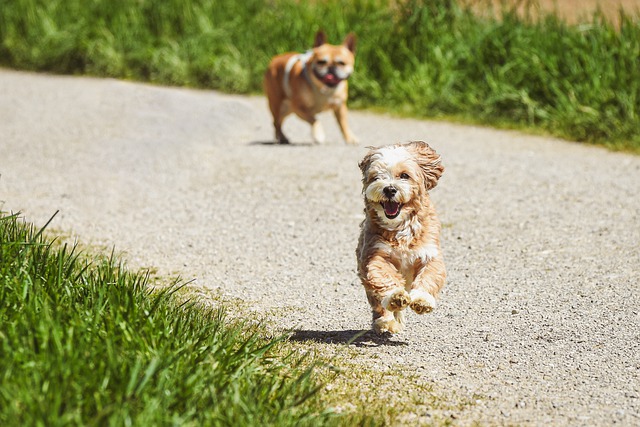
Distractions are one of the main reasons puppies fail to listen outside. They can be anything from other dogs, people, or even interesting smells. To combat this, it’s important to first understand what captures your puppy’s attention. Observe their behavior in different environments to identify specific triggers. Once you know what distracts them, you can work on managing those distractions during training sessions.
Start by training in a low-distraction environment, such as your backyard or a quiet park. Gradually increase the level of distraction as your puppy becomes more reliable with their commands. This systematic approach helps them learn to focus amidst external stimuli.
One common pitfall is rushing the process. If you move to a more distracting environment too quickly, your puppy may become overwhelmed and lose focus. Be patient and ensure they are ready before progressing.
Building a Strong Recall
A strong recall is the cornerstone of outdoor listening. Begin by teaching your puppy to associate their name with positive experiences. Call them in a fun, enthusiastic tone and reward them immediately when they respond. This builds a positive association with coming when called.
Practice this in a controlled setting before moving outside. Use a long leash to maintain control while allowing your puppy some freedom to explore. When they wander away, call them back, and reward them for returning. This reinforces the behavior you want to see in a real-world situation.
It’s essential to ensure that your puppy understands that returning to you is always beneficial. If a puppy learns that ignoring you leads to being put back on a leash or missing out on fun, they may hesitate to respond in the future.
Using Positive Reinforcement
Positive reinforcement is the most effective training method for puppies. Reward your puppy with treats, praise, or playtime whenever they listen to your commands outside. This builds a strong connection between their actions and positive outcomes.
Vary the rewards to keep your puppy engaged. Sometimes use favorite treats, while other times play with their favorite toy. This unpredictability can make training sessions more exciting and less monotonous.
Remember that timing is crucial. Rewards should be given immediately after the desired behavior to help your puppy understand what they are being rewarded for. Delayed rewards can lead to confusion.
Common Mistakes to Avoid
Many owners make mistakes that can hinder the training process. One of the biggest errors is using negative reinforcement or punishment, which can create fear and anxiety in your puppy. Instead, focus on positive methods that encourage good behavior.
Another common mistake is inconsistency in commands. Use the same word for the same command every time to avoid confusing your puppy. Additionally, avoid calling your puppy for negative experiences, such as ending playtime, as this can discourage them from coming when called in the future.
Lastly, be mindful of your puppy’s energy levels. Training when they are too tired or hyper can lead to poor focus and effectiveness. Observe your puppy’s behavior and choose training times wisely.
Further Reading
Authoritative Sources
- American Kennel Club
akc.orgTrusted dog training, behavior, breed, and puppy care guidance.
- American Veterinary Medical Association
avma.orgVeterinary guidance and animal health resources from a major professional association.
- ASPCA Pet Care
aspca.orgAnimal care, behavior, and safety resources for pet owners.
- Merck Veterinary Manual
merckvetmanual.comDetailed veterinary reference material on animal conditions, care, and treatment topics.
- AAHA for Pet Owners
aaha.orgPet owner guidance from the American Animal Hospital Association.
Frequently Asked Questions
What is the best age to start training a puppy to listen outside?
Start training as early as 8 weeks old. Young puppies are often more receptive to learning and can establish good habits early.
How long should training sessions be?
Keep training sessions short, around 5-10 minutes, to maintain your puppy’s focus and prevent fatigue.
Can I train my puppy without treats?
Yes, you can use praise, play, or toys as rewards, but treats are often the most effective motivator for many puppies.
How do I handle distractions during training?
Start in a quiet area to minimize distractions, gradually introducing more challenging environments as your puppy improves.
What should I do if my puppy doesn’t respond to commands?
If your puppy isn’t responding, reassess the training environment, check for distractions, and ensure your commands are clear and consistent.
Conclusion
Training your puppy to listen outside is essential for their safety and your peace of mind. Prioritize a strong recall, use positive reinforcement, and avoid common mistakes to ensure effective training. Remember to be patient and consistent, as building a reliable response takes time and practice. By following these steps, you’ll help your puppy become a well-behaved companion outdoors, allowing for enjoyable and safe adventures together.