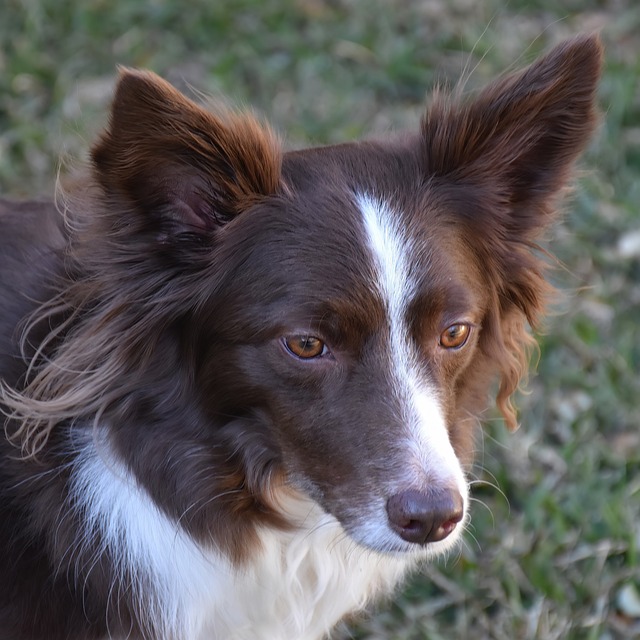
Puppies tend to follow their owners everywhere because they are naturally inclined to seek companionship and reassurance. This behavior is a reflection of their attachment to you and their instinctual need for social interaction. As pack animals, dogs have evolved to bond closely with their human families, viewing them as part of their pack. When a puppy follows you constantly, it signifies their trust and affection, as well as a desire for guidance and security.
Understanding why your puppy exhibits this behavior can help you manage it effectively. While it is heartwarming to have a loyal companion, it can also lead to challenges, such as anxiety when separated or difficulty in training them to be independent. Puppies thrive on routine and structure, so establishing a balance between companionship and independence is crucial. This not only assures your puppy feels secure but also helps them develop confidence in their own abilities.
The Roots of Attachment
The bond between a puppy and its owner is often rooted in early socialization and experiences. Puppies that are well-socialized tend to exhibit stronger attachment behaviors towards their owners. They learn from their interactions and develop a sense of security when they are close to their humans. This attachment is not just emotional; it is also a survival mechanism, as puppies instinctively seek closeness to ensure safety from perceived threats.
As an owner, recognizing the signs of attachment is important. Dogs communicate their needs through body language and proximity. If your puppy follows you everywhere, it’s essential to acknowledge this behavior positively while also ensuring they learn to be comfortable on their own. A practical approach includes gradually increasing the time your puppy spends alone while rewarding them for calm behavior.
The Importance of Independence
Encouraging independence in your puppy is crucial for their development. While it’s natural for them to seek your presence, fostering a sense of autonomy helps them become more confident and less reliant on you. This can prevent the development of separation anxiety, which is common in dogs that are overly attached.
To promote independence, create a safe space for your puppy where they can relax away from you. Use positive reinforcement to reward them when they explore on their own. This could involve giving them toys to play with while you are in another room or engaging in activities that allow them to be self-sufficient, such as puzzle feeders or chew toys.
Managing Constant Following
Managing a puppy that follows you constantly involves setting boundaries while still being affectionate. It’s important to understand that this behavior is often a sign of love and trust, but it can become overwhelming if not addressed. Establishing some guidelines for your puppy can help them understand when it’s okay to be close and when to give you space.
Start by implementing short periods where you encourage your puppy to stay in a specific area while you move to another room. Gradually increase the duration of these sessions. Always reward your puppy for staying put, as this reinforces positive behavior. This method not only teaches them independence but also reassures them that you will always return.
Recognizing Signs of Anxiety
While following you everywhere can be a normal puppy behavior, it’s essential to recognize signs of anxiety. If your puppy appears distressed when you leave the room or exhibits excessive whining, it may indicate separation anxiety. Understanding the difference between normal attachment and anxiety is crucial for your puppy’s well-being.
Address anxiety by gradually increasing the time you spend apart, and consider crate training or using calming aids as needed. If the behavior persists, consulting a professional dog trainer or a veterinarian may be necessary to ensure your puppy receives the support they need.
Understanding your puppy’s behavior can significantly enhance your relationship and training efforts. For more in-depth insights, consider exploring resources from reputable animal behaviorists and trainers.
Frequently Asked Questions
Why does my puppy follow me everywhere?
Your puppy follows you everywhere due to their instinctual need for companionship and security.
Is it normal for puppies to be so attached?
Yes, it is normal for puppies to be attached to their owners, as they are pack animals seeking safety and social interaction.
How can I encourage my puppy to be more independent?
You can encourage independence by providing a safe space for your puppy and rewarding them for exploring on their own.
What should I do if my puppy shows signs of anxiety?
If your puppy shows signs of anxiety, gradually increase the time apart and consider consulting a professional if it continues.
Can following behavior lead to separation anxiety?
Yes, if not managed properly, constant following can lead to separation anxiety, so it’s important to encourage independence.
Conclusion
Understanding why your puppy follows you everywhere is vital for fostering a healthy relationship. This behavior is typically rooted in their need for security and companionship. By encouraging independence and recognizing signs of anxiety, you can help your puppy develop confidence while maintaining a strong bond. Remember to provide structured playtime and positive reinforcement to balance their need for closeness with their ability to be alone when necessary.