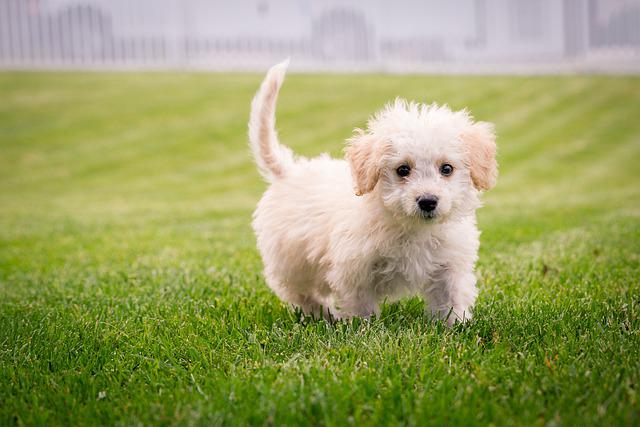
Positive reinforcement is the most effective method for puppy training because it encourages desired behaviors through rewards. This approach taps into the dog’s motivation to please and learn, fostering a strong bond between the owner and the puppy. Prioritizing consistent rewards for good behavior is essential for effective training. Understanding the underlying motivations of your puppy will enhance your training success.
Using positive reinforcement not only helps your puppy learn commands and tricks but also builds a trusting relationship. This method counters the negative effects of fear-based training, which can lead to anxiety and aggression. Instead, positive reinforcement creates a safe environment where puppies can explore and learn at their own pace.
Understanding Positive Reinforcement
Positive reinforcement involves providing a reward immediately after a desired behavior is exhibited. This could be in the form of treats, verbal praise, or playtime. The core principle is that behaviors followed by positive outcomes are likely to be repeated. This method aligns with how dogs naturally learn and respond to their environment.
One of the most significant advantages of this method is that it encourages puppies to engage in desired behaviors voluntarily. When a puppy learns that certain actions lead to positive outcomes, they are more inclined to repeat those actions. In contrast, punishment can lead to fear and confusion, hindering learning.
Benefits of Positive Reinforcement
The benefits of using positive reinforcement in puppy training are extensive. First, it strengthens the bond between the puppy and the owner, as the puppy associates training sessions with positive experiences. Second, it enhances the puppy’s enthusiasm and eagerness to learn, making training sessions more enjoyable for both parties.
Additionally, positive reinforcement encourages quicker learning. Puppies are more likely to remember commands and tricks when they are rewarded for their efforts. This method also promotes a more relaxed and happy demeanor, reducing anxiety and fear during training sessions.
Common Mistakes in Puppy Training
Despite the effectiveness of positive reinforcement, many owners make mistakes that can undermine their training efforts. One common error is inconsistency in rewarding behaviors. If a puppy receives rewards sporadically, they may become confused about what behavior is being reinforced.
Another mistake is using rewards that are not motivating enough for the puppy. Choosing low-value treats or praise that the puppy does not respond to can lead to a lack of interest in training. It’s crucial to find rewards that truly motivate your puppy to ensure successful training outcomes.
Implementing Positive Reinforcement Techniques
To effectively implement positive reinforcement, start by identifying your puppy’s favorite rewards. This could be specific treats, toys, or even verbal praise. During training sessions, immediately reward your puppy when they exhibit the desired behavior to reinforce the connection.
Additionally, keep training sessions short and engaging to maintain your puppy’s interest. Gradually increase the difficulty of tasks as your puppy learns, but always ensure that rewards are consistently given for successful attempts. This approach will help your puppy stay motivated and eager to learn.
Frequently Asked Questions
What is positive reinforcement in puppy training?
Positive reinforcement is a training method that rewards a puppy for desired behaviors, encouraging them to repeat those actions.
Why is positive reinforcement preferred over punishment?
Positive reinforcement fosters a trusting relationship and encourages learning, while punishment can lead to fear and anxiety in puppies.
How can I effectively use treats in training?
Use high-value treats that your puppy loves, and reward them immediately after they perform the desired behavior to reinforce learning.
What should I do if my puppy isn’t responding to rewards?
Evaluate the rewards you are using; they may not be motivating enough. Try different treats or types of praise to find what works best.
How long should training sessions be?
Keep training sessions short, around 5-10 minutes, to maintain your puppy’s focus and enthusiasm.
Conclusion
Ultimately, positive reinforcement is the most effective approach for puppy training, fostering a strong bond and encouraging desired behaviors. By consistently rewarding good behavior and avoiding common mistakes, you can create a positive learning environment for your puppy. Focus on understanding their motivations and keep training sessions engaging to ensure lasting behavior change.