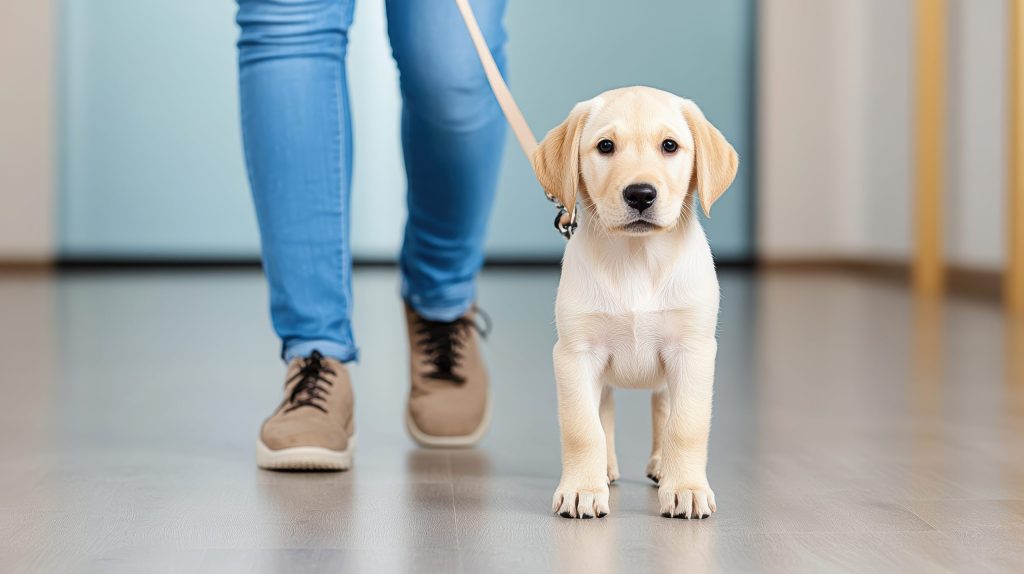
Quick Take: You can get help with leash training your puppy from professional dog trainers at local pet training centers or veterinary clinics. Many pet stores also offer beginner classes or workshops on leash training. Online resources such as reputable dog training websites, YouTube channels, and forums can provide helpful tips and tutorials. Additionally, consulting a certified dog trainer or behaviorist can offer personalized guidance tailored to your puppy's needs.
Authority path: For the broader framework behind this article, see How do you leash train a puppy?.
Section Overview
- Effective Strategies for Leash Training Your Puppy
- Understanding the Importance of Leash Training
- Preparing for Successful Leash Training
- Step-by-Step Leash Training Techniques
- Common Challenges and How to Overcome Them
- The Role of Positive Reinforcement
- Additional Tips for Success
- Conclusion
- People Also Ask
- What are the steps to begin leash training my puppy?
- What are common mistakes to avoid when leash training a puppy?
- Usually, how many weeks does leash training a puppy take?
Effective Strategies for Leash Training Your Puppy
Leash training a puppy is a pivotal step in fostering good behavior and ensuring safe outdoor adventures, but it can often feel like a daunting task for new pet owners. The key lies in patience, consistency, and understanding your puppy’s unique temperament, which can vary widely from one pup to another. While professional trainers and local classes can provide invaluable hands-on guidance, many owners find that supplementing these with online tutorials and community forums helps build confidence and reinforce positive habits. Creating a calm, encouraging environment during walks helps your puppy associate the leash with positive experiences, setting the stage for successful training sessions.
Understanding the Importance of Leash Training
Leash training is more than just teaching your puppy to walk beside you; it’s about establishing trust, safety, and communication. A well-trained puppy on a leash can explore the world safely, avoid dangerous situations such as traffic or aggressive animals, and enjoy outdoor activities with their family. Proper leash training also helps prevent behavioral issues like pulling, lunging, or barking excessively when encountering other dogs or distractions.
For example, a puppy that is leash-trained early on is less likely to develop fear or aggression towards unfamiliar environments or animals. This early foundation sets the stage for more advanced training and socialization as your puppy matures.
Preparing for Successful Leash Training
Before you begin leash training, gather the necessary equipment and create a positive environment:
- Choose the right collar or harness: A well-fitting harness distributes pressure evenly and reduces strain on your puppy’s neck. Avoid choke chains or prong collars unless advised by a professional trainer.
- Select an appropriate leash: A standard 4-6 foot leash made of nylon or leather provides control without being cumbersome.
- Pick a quiet, familiar space: Start in a low-distraction environment such as your backyard or a quiet park to help your puppy focus.
- Have plenty of treats and praise ready: Use high-value treats like small pieces of chicken or cheese to reward good behavior.
Creating a positive, calm atmosphere helps your puppy associate leash training with fun and rewards rather than stress or punishment.
Step-by-Step Leash Training Techniques
1. Introducing the Leash and Collar
Begin by allowing your puppy to get used to wearing the collar or harness indoors. Let them sniff and explore it, then gently place it on without attaching the leash. Reward with treats and praise to create a positive association. Repeat this process daily until your puppy is comfortable wearing it for short periods.
Once your puppy is comfortable, attach the leash and let them drag it around indoors under supervision. This helps them get used to the feel of the leash without feeling restrained.
2. Teaching Your Puppy to Walk on a Leash
Start in a distraction-free environment. Hold the leash loosely and encourage your puppy to walk beside you using treats as lures. When they walk calmly at your side, reward immediately with praise and treats. If they pull ahead or lag behind, gently stop walking and call them back to your side, rewarding compliance.
Use a consistent cue such as “let’s go” or “heel” to signal when it’s time to walk. Keep sessions short—about 5 to 10 minutes—and gradually increase duration as your puppy becomes more confident.
3. Handling Pulling and Lunging
Puppies often pull on the leash out of curiosity or excitement. When this happens, stop walking immediately and stand still until they return to your side or slacken the leash. Reward calm behavior with treats and praise. Over time, this teaches your puppy that pulling doesn’t get them where they want to go; instead, staying close results in rewards.
If your puppy lunges at other dogs or distractions, maintain a safe distance initially and reward calm behavior. Gradually decrease the distance as they learn to stay focused on you.
4. Practicing in Different Environments
Once your puppy is comfortable walking on a leash indoors or in quiet areas, gradually introduce new environments such as busy parks, sidewalks, or trails. Use treats and praise generously to reinforce positive experiences. Keep training sessions short and positive to prevent overwhelm.
This exposure helps your puppy develop confidence and good manners in various settings, making walks enjoyable for both of you.
Common Challenges and How to Overcome Them
- Puppy pulls excessively: Use consistent stopping and rewarding techniques. Consider using a front-clip harness designed for training to discourage pulling.
- Puppy is afraid of the leash: Gradually desensitize by allowing them to sniff and explore the leash indoors before attaching it. Use treats to create positive associations.
- Puppy gets distracted easily: Practice in low-distraction environments first, then slowly introduce more stimuli as they improve.
- Puppy resists wearing the collar: Make the collar a positive experience with treats and gentle handling. Never force it onto a frightened puppy.
The Role of Positive Reinforcement
Positive reinforcement is the cornerstone of effective leash training. Rewarding your puppy for calm, controlled behavior encourages them to repeat those actions. Use high-value treats, praise, and gentle petting to reinforce good manners.
For example, when your puppy walks beside you without pulling, immediately give them a treat and say “good job” in an enthusiastic tone. Over time, this builds a strong association between walking nicely on the leash and receiving rewards.
Additional Tips for Success
- Be patient: Every puppy learns at their own pace. Consistency and patience are key to success.
- Keep training sessions short: Limit sessions to 5-10 minutes to prevent frustration and fatigue.
- Avoid punishment: Never yell at or yank your puppy; this can create fear and mistrust.
- Practice regularly: Daily walks reinforce good behavior and help your puppy develop confidence.
- Seek professional help if needed: If you encounter persistent issues, consult a certified dog trainer for personalized guidance.
Conclusion
Leash training is an essential skill that benefits both you and your puppy throughout their life. By understanding the importance of positive reinforcement, practicing patience, and gradually exposing your pup to new environments, you can foster a well-behaved, confident dog who enjoys outdoor adventures safely. Remember that consistency, kindness, and persistence are your best tools on this journey. With time and effort, walking on a leash will become an enjoyable activity that strengthens your bond and enriches your shared experiences.
People Also Ask
What are the steps to begin leash training my puppy?
Begin leash training by introducing your puppy to the collar and leash in a comfortable, distraction-free environment. Allow your puppy to wear the collar and leash for short periods, rewarding them with treats and praise. Gradually encourage your puppy to walk beside you, using positive reinforcement to build confidence and good habits.
What are common mistakes to avoid when leash training a puppy?
Avoid pulling on the leash, as it can cause discomfort and fear. Do not rush or force your puppy to walk if they are hesitant; instead, use patience and encouragement. Also, avoid using harsh corrections or punishment, which can damage trust and hinder progress.
Usually, how many weeks does leash training a puppy take?
The time it takes varies depending on the puppy's age, temperament, and consistency of training. Generally, puppies may take a few weeks to several months to become comfortable walking on a leash confidently. Regular practice and positive reinforcement are key to speeding up the process.