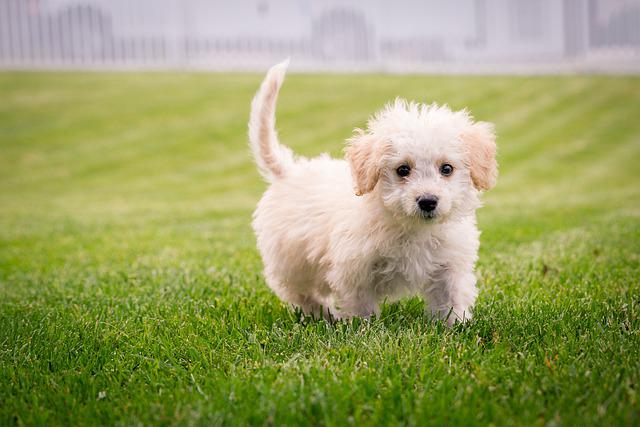
Regression in puppy training can be frustrating for pet owners, but it’s often a natural part of the learning process. Puppies may revert to previous behaviors due to stress, changes in their environment, or inconsistencies in training methods. Recognizing these triggers is crucial; once identified, you can take steps to re-establish training consistency and support your puppy’s learning journey.
Common causes of regression include stressors such as loud noises, new family members, or changes in routine. Additionally, if training methods are inconsistent, puppies may become confused, leading to setbacks. Prioritizing a stable environment and consistent reinforcement is essential for overcoming these challenges.
Identifying Triggers of Regression
To effectively address training regression, it’s vital to identify the specific triggers causing your puppy’s behavior change. Common triggers include environmental changes, such as moving to a new home, introducing new pets, or even changes in your own routine. Recognizing these factors can help you understand the context of your puppy’s regression.
For instance, if your puppy has been more anxious or distracted, consider whether there have been any recent changes in their environment. This understanding allows you to tailor your approach to reintroduce training in a supportive way. Observe your puppy closely to pinpoint the exact moments when regression occurs, and document these instances to identify patterns.
Re-establishing Training Routines
Once you’ve identified the triggers, the next step is to re-establish a consistent training routine. Puppies thrive on routine, and returning to a structured schedule can help restore their confidence. Reinforce basic commands and gradually reintroduce more complex training exercises.
Start with simple commands your puppy has previously mastered, then slowly introduce new commands or behaviors. Consistency is key; use the same commands and cues each time to avoid confusion. Regular training sessions of short duration will keep your puppy engaged and reduce stress, making it easier for them to regain their training progress.
Effective Reinforcement Techniques
Positive reinforcement is one of the most effective methods to encourage desired behaviors in puppies. When your puppy successfully follows a command or displays good behavior, reward them immediately with treats, praise, or playtime. This reinforces the behavior and encourages them to repeat it.
Be mindful of the type of rewards you use. Some puppies may respond better to toys, while others might prefer food treats. Experiment to find what motivates your puppy the most. Additionally, ensure that rewards are given consistently and immediately after the desired behavior to create a clear association.
Common Mistakes to Avoid
When addressing regression in training, owners often fall into common pitfalls that can hinder progress. One major mistake is becoming frustrated or impatient, which can add stress to the training process. Remember that regression is usually temporary and can be resolved with patience.
Another mistake is inconsistent training methods. If you use different commands or fail to reinforce positive behavior consistently, it can confuse your puppy. Stick to a clear set of commands and ensure all family members are on the same page regarding training techniques.
Further Reading
Authoritative Sources
- American Kennel Club
akc.orgTrusted dog training, behavior, breed, and puppy care guidance.
- American Veterinary Medical Association
avma.orgVeterinary guidance and animal health resources from a major professional association.
- ASPCA Pet Care
aspca.orgAnimal care, behavior, and safety resources for pet owners.
- Merck Veterinary Manual
merckvetmanual.comDetailed veterinary reference material on animal conditions, care, and treatment topics.
- AAHA for Pet Owners
aaha.orgPet owner guidance from the American Animal Hospital Association.
Frequently Asked Questions
What causes puppy training regression?
Puppy training regression can be caused by stress, environmental changes, or inconsistent training methods, leading to confusion and behavioral setbacks.
How can I help my puppy regain training?
Re-establish a consistent training routine, use positive reinforcement, and identify any triggers causing regression to help your puppy regain training.
Is it normal for puppies to regress?
Yes, it’s common for puppies to experience regression during their training journey. This can be influenced by various factors, but with the right approach, it can be overcome.
What are effective reinforcement techniques for puppies?
Yes, it’s common for puppies to experience regression during their training journey. This can be influenced by various factors, but with the right approach, it can be overcome.
What should I avoid when training my puppy?
Avoid inconsistent commands, negative reinforcement, and showing frustration, as these can confuse your puppy and impede their progress.
How long does it take for a puppy to regain training?
The time it takes for a puppy to regain training varies by individual, but with consistent effort, improvements can often be seen within a few weeks.
Conclusion
Training regression in puppies can be managed effectively with a systematic approach. By identifying triggers, re-establishing routines, and consistently applying positive reinforcement, owners can help their puppies overcome setbacks. Remember to be patient and avoid common mistakes like inconsistency and frustration. With time and dedication, your puppy can regain their training progress and continue to develop into a well-behaved companion.