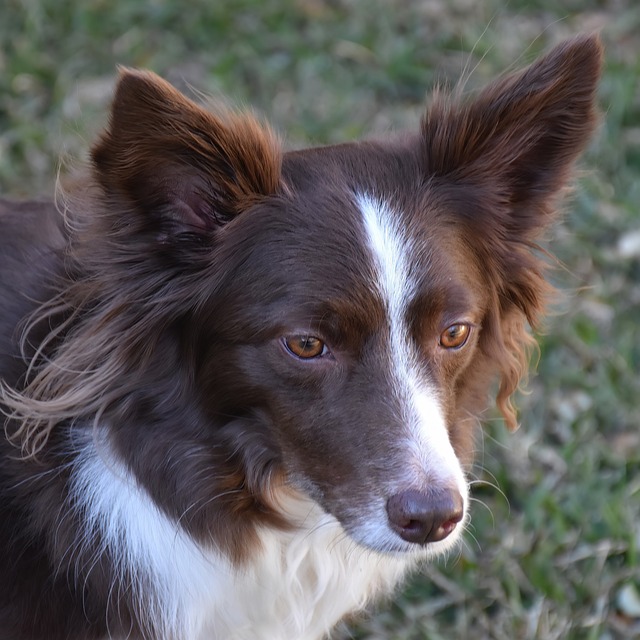
When a puppy refuses food, it can be concerning for pet owners. Understanding the reasons behind this behavior is crucial, as it may signal underlying health issues, stress, or changes in the environment. Addressing the cause promptly is essential to ensure your puppy receives the necessary nutrition and care.
Common reasons for a puppy refusing to eat include digestive problems, anxiety, or simply being distracted by their surroundings. It’s important to observe your puppy’s behavior and consider any recent changes in their routine. For example, if you’ve recently moved or changed their feeding schedule, these factors might contribute to their reluctance to eat. Additionally, if your puppy seems lethargic or exhibits other unusual behaviors, it may indicate a need for a veterinary evaluation.
Identifying the Cause of Food Refusal
To effectively address your puppy’s refusal to eat, start by identifying the root cause. Common triggers include health issues like dental problems, gastrointestinal upset, or infections. Additionally, psychological factors such as anxiety or stress from changes in the home environment can impact a puppy’s appetite.
Look for signs such as vomiting, diarrhea, or changes in behavior. These symptoms can help you determine if a visit to the veterinarian is necessary. If your puppy is otherwise healthy but just picky about food, consider examining their diet for nutritional balance and palatability.
Practical Steps to Encourage Eating
If your puppy is healthy but still refuses to eat, there are several strategies you can employ. First, try offering different types of food, such as wet food or high-quality kibble, to see if your puppy prefers one over the other. Mixing in a small amount of wet food can enhance the aroma and make the meal more appealing.
Additionally, establish a consistent feeding schedule and remove uneaten food after a set period. This routine can help create a sense of urgency for your puppy to eat. Avoid giving too many treats, as they can spoil your puppy’s appetite for their regular meals.
When to Consult a Veterinarian
If your puppy’s refusal to eat lasts more than a day or is accompanied by other concerning symptoms, it’s crucial to consult a veterinarian. They can perform a thorough examination and run tests to rule out any underlying health issues that may require treatment.
Early intervention can prevent more serious health problems down the line. Be prepared to provide your veterinarian with information about your puppy’s diet, behavior, and any recent changes in their environment that may have contributed to the food refusal.
Frequently Asked Questions
What should I do if my puppy refuses food for more than a day?
If your puppy refuses food for more than a day, it’s essential to consult a veterinarian to rule out any health issues.
Can stress cause a puppy to stop eating?
Yes, stress from changes in the environment can lead to a puppy refusing food.
What types of food should I try to entice my puppy?
Consider trying wet food, high-quality kibble, or mixing in a small amount of something flavorful like chicken broth.
How long can a puppy go without eating?
Puppies can usually go 1-3 days without food, but it’s important to monitor their health and behavior closely.
Are there any signs I should watch for if my puppy refuses food?
Watch for signs like lethargy, vomiting, diarrhea, or any changes in behavior, as these may indicate a health issue.
Conclusion
Addressing a puppy’s refusal to eat requires a careful approach to identify the underlying cause. Whether it stems from health issues, stress, or simply pickiness, taking prompt action can help ensure your puppy receives the nutrition they need. If the problem persists or is accompanied by other concerning symptoms, consulting a veterinarian is the best course of action. Establishing a consistent feeding routine and experimenting with different food types can also encourage better eating habits. Prioritizing your puppy’s health and well-being should always come first.