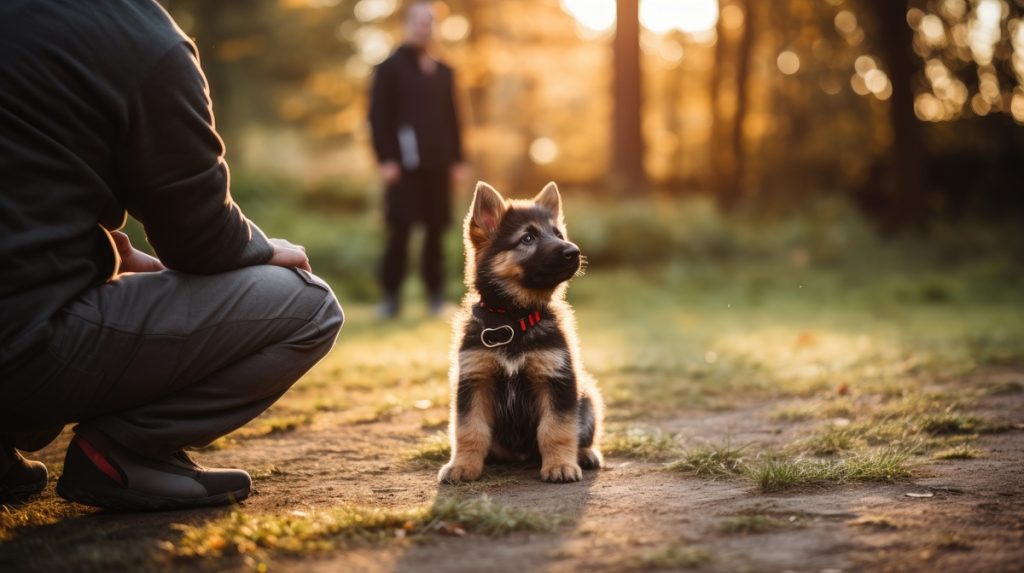
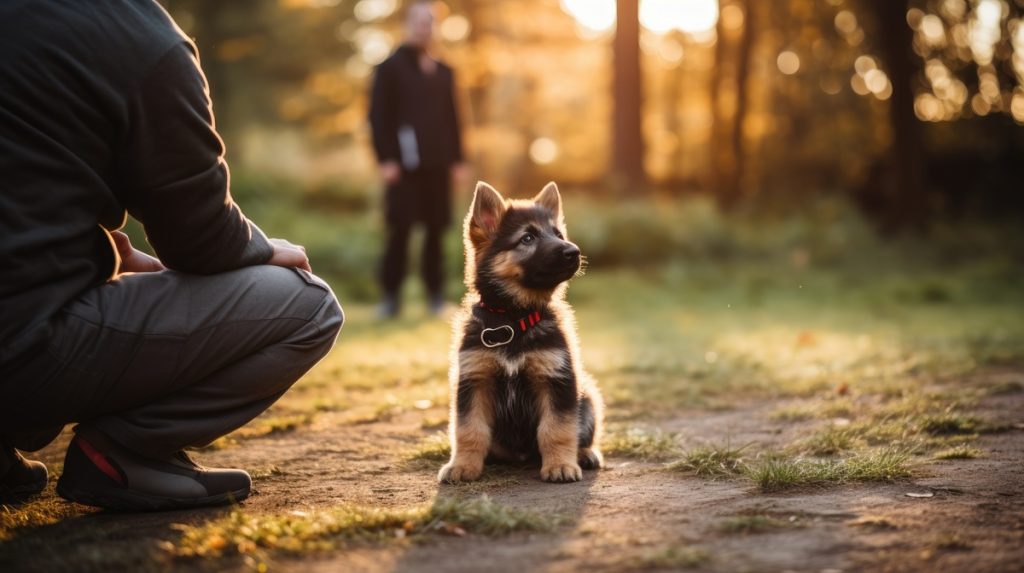
Instant Answer: Engage your puppy with positive reinforcement by rewarding good behavior with treats, praise, or play to build trust and encourage learning. Incorporate fun activities like fetch, hide-and-seek, or puzzle toys to make training enjoyable and stimulate their mind. Consistency and patience are key; keep training sessions short and frequent to foster a strong bond. Remember to always use gentle commands and avoid punishment to create a safe, trusting environment for your puppy.
Jump To
- Effective Ways to Train Your Puppy and Build Trust
- Understanding Your Puppy’s Needs and Behavior
- Building Trust Through Positive Reinforcement
- Basic Commands Every Puppy Should Learn
- Effective Training Techniques and Tips
- Addressing Common Challenges
- The Importance of Patience and Consistency
- Additional Resources for Puppy Training
- Conclusion
- Important Questions and Answers
- How can I effectively train my puppy to sit on command?
- What are the best methods to house train a new puppy?
- How do I teach my puppy to walk politely on a leash?
Effective Ways to Train Your Puppy and Build Trust
Training my puppy is a rewarding journey that hinges on patience, consistency, and genuine connection. By using positive reinforcement—offering treats, praise, or play—each successful step becomes a building block of trust and understanding. Incorporating playful activities like fetch or hide-and-seek keeps sessions lively and mentally stimulating, making learning feel more like fun than work. Gentle commands and a calm approach help create a safe environment where your puppy feels secure enough to explore and grow.
Understanding Your Puppy’s Needs and Behavior
Before diving into training techniques, it’s crucial to understand your puppy’s natural instincts, developmental stages, and individual personality. Puppies are curious, energetic, and eager to explore their environment, which can sometimes lead to unwanted behaviors like chewing or barking.
- Developmental Stages: Puppies go through critical periods of socialization between 3 and 14 weeks old. During this time, exposing them to different people, animals, and environments helps prevent fearfulness and aggression later in life.
- Natural Instincts: Chewing is a normal behavior for puppies as they teethe, and digging can be driven by curiosity or boredom. Recognizing these behaviors as natural allows you to redirect them appropriately rather than punishing them.
- Individual Personality: Some puppies are more timid, while others are highly energetic. Tailoring your training approach to suit your puppy’s temperament will yield better results.
By understanding these aspects, you can create a training plan that aligns with your puppy’s needs, making the process smoother and more effective.
Building Trust Through Positive Reinforcement
Trust is the foundation of any successful training relationship. Puppies learn best when they associate training sessions with positive experiences. Using positive reinforcement techniques encourages your puppy to repeat desirable behaviors.
- Reward Good Behavior: Use treats, praise, or playtime as rewards when your puppy follows commands or exhibits good manners. For example, giving a small treat when your puppy sits on command reinforces that behavior.
- Be Consistent: Always reward the same behavior in the same way. Consistency helps your puppy understand what is expected of them.
- Avoid Punishment: Instead of punishing undesirable behaviors, redirect your puppy’s attention to a more appropriate activity. For example, if your puppy chews on furniture, provide a chew toy instead.
Building trust also involves being patient and gentle. Puppies are sensitive to tone of voice and body language; speaking softly and using calm gestures help them feel secure and understood.
Basic Commands Every Puppy Should Learn
Teaching your puppy essential commands lays the groundwork for good behavior and safety. These commands also help establish leadership and clear communication between you and your pet.
- Sit: A fundamental command that helps manage your puppy’s behavior in various situations. To teach sit, hold a treat above their nose and move it back over their head until they naturally sit down. Reward immediately.
- Stay: This command is vital for safety. Start with your puppy in a sitting position, then say “stay” while holding your hand out. Take a step back; if they stay put, reward them. Gradually increase distance and duration.
- Come: Essential for recall in outdoor settings. Call your puppy by name followed by “come,” and reward when they approach. Practice in a secure area before trying in more distracting environments.
- Leave it: Useful for preventing your puppy from picking up dangerous or unwanted objects. Hold a treat in your closed hand; when they stop trying to get it, reward with a different treat and praise.
Consistent practice of these commands builds a reliable communication system that keeps your puppy safe and well-behaved.
Effective Training Techniques and Tips
Implementing the right techniques can make training sessions more productive and enjoyable for both you and your puppy. Here are some proven methods:
- Short, Frequent Sessions: Puppies have short attention spans. Keep training sessions between 5-10 minutes, multiple times a day. This prevents boredom and frustration.
- Use Clear Commands: Always use the same words for commands to avoid confusion. For example, always say “sit” rather than alternating with “sit down” or “sit now.”
- Timing is Key: Reward immediately after your puppy performs the desired behavior so they associate the action with the reward.
- Socialization: Expose your puppy to different people, animals, sounds, and environments gradually. Proper socialization reduces fearfulness and aggression as they grow older.
- Crate Training: A crate provides a safe space for your puppy and aids in housebreaking. Make the crate inviting with comfortable bedding and treats, and never use it as punishment.
Addressing Common Challenges
Puppy training often comes with hurdles such as barking, chewing, or housebreaking accidents. Here’s how to handle some typical issues:
- Barking: Identify triggers like doorbells or other dogs. Teach the “quiet” command by rewarding silence after barking stops. Use distraction techniques or provide chew toys to reduce boredom-induced barking.
- Chewing: Provide plenty of appropriate chew toys. When your puppy chews on furniture or shoes, redirect their attention to their toys and praise when they chew on the right items.
- Housebreaking: Establish a consistent schedule for bathroom breaks. Take your puppy outside frequently—after eating, waking up, or playing—and reward them immediately after they go outside.
- Nipping and Biting: Use gentle redirection with toys instead of hands or clothing. If your puppy bites during play, stop playing for a moment to teach bite inhibition.
The Importance of Patience and Consistency
Puppy training requires patience because puppies are learning new behaviors and may make mistakes along the way. Consistency in commands, routines, and rewards helps reinforce learning and builds trust.
Remember that every puppy learns at their own pace. Celebrate small victories and remain calm during setbacks. Your steady guidance will foster confidence in your puppy and strengthen your bond over time.
Additional Resources for Puppy Training
If you’re looking for further guidance or professional assistance, consider enrolling in local puppy training classes or consulting certified dog trainers. Many communities also offer online courses tailored to new pet owners that cover everything from basic obedience to advanced training techniques.
Books such as “The Art of Raising a Puppy” by the Monks of New Skete or “Training the Best Dog Ever” by Dawn Sylvia-Stasiewicz provide comprehensive advice backed by expert knowledge.
Conclusion
Training your puppy is an ongoing journey that combines patience, consistency, positive reinforcement, and understanding. By establishing clear boundaries and building trust through gentle guidance, you’ll help your puppy grow into a well-behaved companion who feels secure and loved. Remember that every moment spent training is an investment in a lifetime of companionship filled with joy and mutual respect.
Important Questions and Answers
How can I effectively train my puppy to sit on command?
To train your puppy to sit, start by holding a treat close to their nose and then move it upward, causing their head to follow and their bottom to lower into a sitting position. Once they sit, immediately reward them with the treat and praise. Consistency and patience are key, practicing in short sessions multiple times a day. Over time, your puppy will associate the command "sit" with the action and respond reliably.
What are the best methods to house train a new puppy?
House training a puppy involves establishing a consistent routine for bathroom breaks, taking them outside frequently—especially after eating, sleeping, or playing. Use a designated spot outside and praise your puppy when they go there. Supervise them indoors to prevent accidents and consider crate training, which helps them learn to hold their bladder. Patience and positive reinforcement are essential for successful house training.
How do I teach my puppy to walk politely on a leash?
Start by introducing your puppy to the leash and collar in a positive way, allowing them to get comfortable with wearing it. Practice walking indoors or in a secure yard, rewarding your puppy with treats when they walk beside you without pulling. Gradually increase the duration of walks outside, using treats and praise to reinforce good leash manners. Consistent training and patience will help your puppy learn to walk politely on a leash.