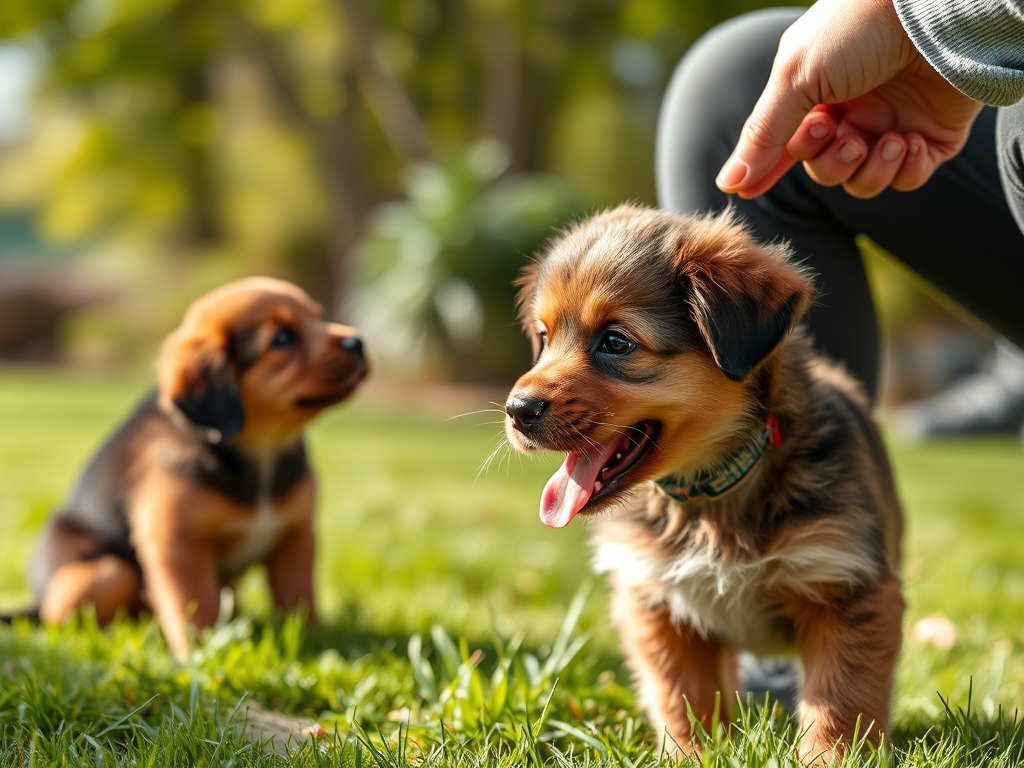
To encourage your puppy to follow commands consistently, focus on positive reinforcement and establish a structured training routine. Reward your puppy immediately with treats or praise when they obey commands, as this strengthens their understanding of the desired behavior. Keep training sessions short and engaging, ideally at the same time each day, to create predictability. Avoid negative reinforcement, as it can lead to fear and confusion, hindering your puppy's progress. Consistency in your approach will help your puppy learn effectively and build a strong bond with you.
Understanding Positive Reinforcement
Positive reinforcement is the cornerstone of effective puppy training. This method involves rewarding your puppy when they follow commands, which strengthens the association between the command and the desired behavior. For example, if you command your puppy to sit and they do so, immediately reward them with a treat or praise. This reinforces the idea that following commands leads to positive outcomes.
Why does this approach work? Puppies respond well to rewards because it satisfies their natural instincts. When they receive a treat or verbal praise, they are more likely to repeat the behavior in the future. It’s essential to maintain consistency in your rewards; using the same treats or type of praise helps to solidify the learning process.
One common mistake is to delay the reward after the command is performed. If you wait too long, your puppy may not connect the command with the reward. Ideally, you should reward them immediately after they comply with the command to reinforce the behavior effectively.
Establishing a Routine for Training
Establishing a training routine is critical for encouraging your puppy to follow commands consistently. Dogs thrive on structure and predictability, which helps them understand what is expected of them. Schedule regular training sessions at the same time each day, and keep them short yet engaging to maintain your puppy’s attention.
During these sessions, focus on one or two commands at a time. Repetition is vital, as it helps reinforce their understanding. For instance, if you are teaching your puppy to lie down, practice this command multiple times within a session. Once they master it, you can introduce new commands gradually.
Additionally, consistency in the commands you use is essential. Always use the same words and tone when giving commands. This consistency helps your puppy learn the commands faster and avoids confusion.
Creating a Distraction-Free Environment
For effective training, it’s crucial to create a distraction-free environment. Puppies can easily become overwhelmed or distracted by noises, other pets, or even people. Choose a quiet space for training sessions where your puppy can focus on you and the commands you are teaching.
Start training in a familiar environment, such as your home or backyard, where your puppy feels comfortable. Once they become more proficient at following commands, you can gradually introduce distractions by moving to busier areas. This gradual exposure helps your puppy learn to listen and obey even when distractions are present.
A common mistake is to expect your puppy to perform well in distracting environments before they have mastered the commands in a calm setting. Patience and gradual exposure are key to successful training.
Common Mistakes to Avoid
Training a puppy can be challenging, and it’s easy to make mistakes that hinder their progress. One common pitfall is using negative reinforcement, such as yelling or scolding when your puppy fails to follow a command. This can create fear and anxiety, making them less likely to respond positively in the future.
Another mistake is expecting too much too soon. Puppies have short attention spans, and it’s important to keep training sessions brief and engaging. If your puppy loses interest or becomes frustrated, it can lead to negative associations with training.
In closing, inconsistency in commands and rewards can confuse your puppy. Ensure that everyone in your household uses the same commands and rewards to prevent mixed signals. This consistency is vital for helping your puppy learn effectively.
For more insights on puppy training, consider exploring resources from reputable organizations such as the American Kennel Club or the Association of Professional Dog Trainers. These sources provide valuable information on effective training methods and behavioral understanding.
Frequently Asked Questions
How long does it take for a puppy to learn commands?
The time it takes for a puppy to learn commands varies but typically ranges from a few days to several weeks, depending on the puppy's age, breed, and training consistency.
What should I do if my puppy doesn't respond to commands?
If your puppy doesn't respond, check for distractions, ensure you're using consistent commands, and consider adjusting your training approach to keep it engaging.
Can I train my puppy at home?
Yes, you can effectively train your puppy at home using positive reinforcement methods and establishing a structured routine.
How often should I train my puppy?
Training sessions should be held daily, ideally lasting between 5 to 15 minutes, to keep your puppy engaged without overwhelming them.
Is it too late to train an older puppy?
It's never too late to train a puppy, regardless of age. Older puppies may take longer to learn but can still benefit from consistent training.
Conclusion
Encouraging your puppy to follow commands consistently requires patience, positive reinforcement, and a structured approach. By understanding the principles of effective training, establishing a routine, and avoiding common mistakes, you can foster a strong bond with your puppy while ensuring they learn essential commands. Focus on creating a distraction-free environment and maintain consistency in your training methods. With dedication and the right techniques, your puppy will become a well-behaved and responsive companion.