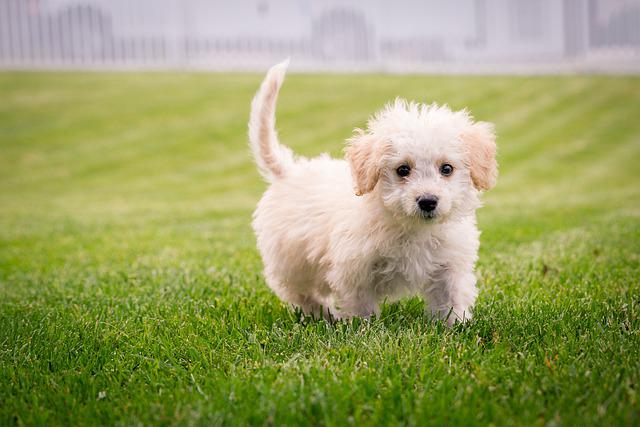
To stop a puppy from chasing cats indoors, start by redirecting their attention with toys and positive reinforcement when they remain calm around the cat. This behavior often stems from the puppy’s instinctual prey drive and excitement. Consistently rewarding calm behavior helps establish boundaries and reduces their urge to chase. Additionally, providing a safe space for the cat can help ease tensions while training your puppy.
Understanding why your puppy chases cats is crucial. Puppies often view cats as moving targets, triggering their natural instincts to chase. This behavior can cause stress for both the puppy and the cat, leading to potential conflicts. To effectively manage this, it’s important to create a calm environment where both animals can coexist peacefully while you work on training.
Understanding Puppy Behavior
Puppies have a natural instinct to chase moving objects, including cats. This chasing behavior is often driven by their high energy levels and curiosity. Recognizing that this is a common behavior can help you approach training with patience and understanding. It’s important to note that while this instinct is normal, it can lead to unwanted stress for both your puppy and your cat.
When training your puppy, consider their age and energy level. Younger puppies may require more frequent breaks and shorter training sessions. Engaging them in other activities can help channel their energy constructively, reducing their urge to chase.
Training Techniques to Stop Chasing
Effective training to stop a puppy from chasing cats indoors involves several techniques. One method is to use distraction techniques, such as toys or treats, to redirect their focus when they start to chase. This can be reinforced by rewarding them for calm behavior around the cat.
Consistency is key in reinforcing positive behavior. Use commands like “leave it” or “stay” when your puppy shows interest in the cat. Practice these commands regularly, and reward your puppy when they obey. Over time, they will learn to associate calm behavior with positive outcomes.
Creating a Safe Environment for Cats
In addition to training your puppy, it’s important to create a safe space for your cat. This could involve setting up areas where the cat can escape or feel secure, such as high perches or separate rooms. Providing these safe zones can help reduce the cat’s stress and allow them to feel more secure in their environment.
Consider using baby gates or pet doors to limit interaction between your puppy and cat until your puppy has learned to behave appropriately. Gradually allowing them to interact under supervision can help both animals adjust to each other’s presence.
Common Mistakes to Avoid
One common mistake is punishing the puppy for chasing the cat, which can create fear and anxiety. Instead, focus on positive reinforcement and redirection. Another pitfall is not providing enough exercise for the puppy, which can lead to excess energy and more chasing behavior. Ensure your puppy receives adequate physical activity through walks and playtime to help manage their energy levels.
Additionally, be cautious about allowing unsupervised interactions between your puppy and cat until you are confident in your puppy’s training. This can prevent potential conflicts and ensure a safer environment for both pets.
Frequently Asked Questions
What should I do if my puppy continues to chase the cat?
If your puppy continues to chase the cat, increase the use of distractions and positive reinforcement when they exhibit calm behavior. Consistent training is essential.
How long will it take to train my puppy to stop chasing?
The time it takes to train your puppy varies based on their age, temperament, and consistency of training. It may take several weeks to see significant improvement.
Can I train my puppy and cat to coexist peacefully?
Yes, with patience and proper training, you can teach your puppy and cat to coexist peacefully. Gradual introductions and positive reinforcement are key.
Should I use a leash for training my puppy?
Using a leash can be helpful during training sessions to control your puppy’s movements and redirect their attention away from the cat.
What if my cat is scared of the puppy?
If your cat is scared, ensure they have safe spaces to retreat to and consider gradual introductions to help them adjust to the puppy’s presence.
Conclusion
Training your puppy to stop chasing cats indoors requires a mix of patience, positive reinforcement, and creating a safe environment. Focus on redirecting their attention and consistently rewarding calm behavior around the cat. Avoid common pitfalls like punishment and ensure your puppy gets plenty of exercise. With dedication, you can help both your puppy and cat coexist peacefully, reducing stress for everyone involved.