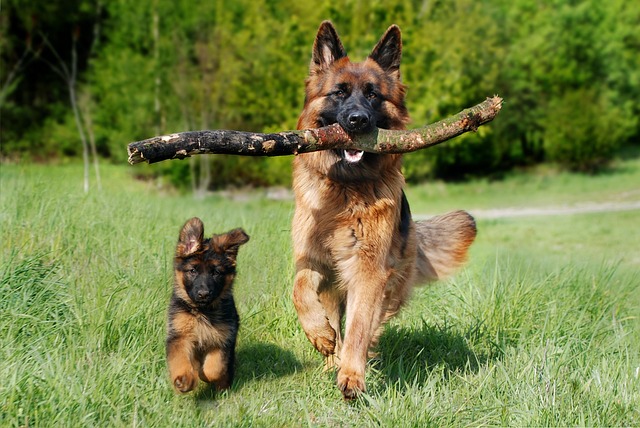
The fastest way to teach basic puppy commands is through consistent training and positive reinforcement. Start with simple commands such as ‘sit’, ‘stay’, and ‘come’. Use treats and praise to reward your puppy immediately after they perform the command correctly. This method not only encourages good behavior but also strengthens the bond between you and your puppy.
Many new puppy owners make the mistake of expecting immediate results or overwhelming their pets with too many commands at once. It’s essential to break down the training into manageable sessions, typically lasting 5 to 10 minutes each, and to be patient. Repeating commands consistently helps reinforce learning, while varying the training environment can enhance your puppy’s adaptability and responsiveness.
Choosing the Right Commands to Start With
When beginning your puppy’s training, select a few fundamental commands to focus on initially. Commands like ‘sit’, ‘down’, and ‘come’ are essential for establishing communication and ensuring safety. These commands form the foundation of more advanced training.
Starting with basic commands allows your puppy to build confidence and understand what is expected of them. Keep in mind that each command should be introduced one at a time, as attempting to teach multiple commands simultaneously can confuse your puppy and hinder their learning process. Use clear, consistent cues and ensure your tone remains positive to create a supportive learning environment.
Effective Training Techniques
Utilizing positive reinforcement is one of the most effective training techniques. This involves rewarding your puppy with treats, praise, or playtime immediately after they successfully execute a command. This approach not only motivates your puppy but also encourages them to repeat the behavior.
Another effective method is clicker training, where a clicker is used to mark the desired behavior. This provides a clear signal to your puppy that they have performed the command correctly and will receive a reward. Ensure that training sessions are short and engaging, as puppies have limited attention spans. Incorporating playtime into training can help maintain your puppy’s interest and enthusiasm.
Common Mistakes to Avoid
One of the most common mistakes when training puppies is inconsistency. If commands are not used consistently, your puppy may become confused about what is expected. Always use the same word and hand signal for each command to reinforce learning.
Another mistake is over-training or expecting too much too soon. Puppies can become frustrated if they are pushed to learn too quickly. It is crucial to be patient and allow your puppy to learn at their own pace. If they struggle with a command, take a step back and simplify the training until they gain confidence.
Maintaining Consistency and Focus
Consistency is key in puppy training. Ensure that all family members use the same commands and rewards to prevent confusion. Regular practice is essential for reinforcing learned commands, so aim to incorporate training into your daily routine.
To keep your puppy focused, choose a quiet environment free from distractions for training sessions. As your puppy becomes more proficient, gradually introduce distractions to help them learn to respond in various situations. This will prepare them for real-world scenarios and improve their overall obedience.
Frequently Asked Questions
What is the best age to start training my puppy?
The best age to start training your puppy is around 7 to 8 weeks old, as they are very receptive to learning at this stage.
How long should training sessions last?
Training sessions should last between 5 to 10 minutes to keep your puppy engaged and prevent boredom.
What should I do if my puppy isn’t responding to commands?
If your puppy isn’t responding, ensure you are using clear commands and rewards. Consider simplifying the command or reducing distractions in the environment.
How can I prevent my puppy from getting bored during training?
To prevent boredom, vary the commands you practice and incorporate fun games or activities that reinforce learning.
Is it necessary to use treats for training?
While treats are highly effective, you can also use praise, toys, or playtime as rewards to motivate your puppy during training.
Conclusion
To wrap up, the fastest way to teach basic puppy commands involves consistent training using positive reinforcement techniques. Start with simple commands, maintain a positive environment, and avoid overwhelming your puppy with too much information at once. Focus on regular practice and patience, ensuring that all family members are on the same page with commands. By following these guidelines, you will set your puppy up for success in their training journey.