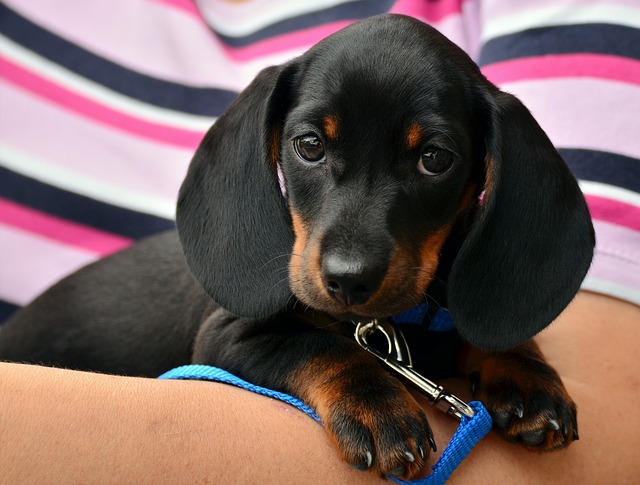
Establishing a routine is crucial in the early stages of potty training. Puppies thrive on consistency; taking them out at the same times each day helps them understand when and where they are expected to relieve themselves. It’s also important to observe your puppy for signs that they need to go, such as sniffing around, circling, or whining. By responding promptly to these cues, you can prevent accidents and reinforce the desired behavior.
Creating a Potty Schedule
Creating a consistent potty schedule is one of the most effective strategies for successful training. Puppies generally need to relieve themselves after eating, drinking, playing, or waking up. By taking your puppy out at these key times, you can significantly reduce the likelihood of accidents indoors. Additionally, try to take them outside every 1-2 hours during the initial training phase. Keeping a log of their bathroom habits can help you understand their patterns and adjust the schedule accordingly.
Moreover, during the first few weeks, consider using a designated spot outside for potty breaks. This creates a specific location that your puppy will associate with relieving themselves. Over time, they will learn to recognize this spot and understand that it is the right place to go, reinforcing their training further.
It’s essential to be patient and flexible with your schedule as your puppy grows. As they become more reliable, you can gradually extend the time between potty breaks. However, be mindful of any changes in their behavior, as this may indicate that they need more frequent access to the outdoors.
Using Positive Reinforcement
Positive reinforcement is a powerful tool in potty training. When your puppy successfully relieves themselves outside, immediately reward them with praise, treats, or playtime. This reinforces the behavior and makes them more likely to repeat it in the future. Timing is crucial; the reward should come right after they finish to create a strong association in their mind.
Incorporating a consistent command, such as “Go potty,” during the act can help them learn to associate the phrase with the behavior. Over time, they will begin to understand what is expected of them when they hear this command. Remember, patience is key; some puppies may take longer to grasp this than others.
Additionally, avoid punishing your puppy for accidents. Instead, clean up messes thoroughly to eliminate any lingering odors that might encourage them to go in the same spot again. Redirect their behavior by taking them outside more frequently and rewarding them when they go in the right place.
Common Mistakes to Avoid
There are several common mistakes that can hinder the potty training process. One of the biggest pitfalls is not providing enough opportunities for your puppy to go outside. Puppies have small bladders and may need to relieve themselves more often than you expect. Missing these opportunities can lead to frustration for both you and your puppy.
Another mistake is scolding your puppy for accidents. This can create fear and anxiety, making them less likely to go in front of you. Instead, focus on creating a positive environment where your puppy feels safe and secure. If you catch them in the act of going indoors, gently interrupt them and take them outside without punishment.
Lastly, be cautious about using too much freedom too soon. Allowing your puppy unrestricted access to the house can lead to accidents. Instead, consider using a crate or confining them to a small area until they are more reliable.
Understanding Your Puppy’s Needs
Understanding your puppy’s needs is crucial for effective potty training. Every puppy is unique, and some may require more time and patience than others. Factors such as age, breed, and individual temperament can influence their learning process. For instance, younger puppies may have less control over their bladders and need more frequent trips outside.
Additionally, consider any health issues that may affect their ability to hold it. If you notice signs of distress, such as straining to go or frequent accidents despite a consistent schedule, consulting a veterinarian may be necessary to rule out any underlying problems.
Lastly, be aware of environmental factors that might impact your puppy’s potty habits. Changes in routine, new surroundings, or stressful situations can lead to accidents. Being attentive to these factors and adjusting your training approach accordingly can enhance your puppy’s success.
Further Reading
For additional resources on puppy training, consider checking out the following:
Authoritative Sources
- American Kennel Club
akc.orgA reputable source for dog training advice, including potty training techniques and tips
- Humane Society
humanesociety.orgOffers a variety of resources for pet owners, including training and care information
- Puppy Training Resources
puppytraining.comA comprehensive guide to puppy training, covering various aspects of behavior and obedience
Frequently Asked Questions
How long does potty training typically take?
Potty training can take anywhere from a few weeks to several months, depending on the puppy’s age, breed, and individual temperament.
What should I do if my puppy has an accident indoors?
Remain calm and clean up the mess without scolding your puppy. Take them outside immediately to reinforce good behavior.
Can I use pee pads during potty training?
Pee pads can be useful for training, especially in apartments or during inclement weather, but transitioning to outdoor potty breaks is essential.
What are signs that my puppy needs to go outside?
Common signs include sniffing, circling, whining, or scratching at the door. Watch for these cues to prevent accidents.
Is it normal for puppies to have accidents after training?
Yes, occasional accidents can happen as puppies learn. Consistency, patience, and positive reinforcement are key to overcoming this.
Conclusion
In closing, the easiest way to potty train a puppy revolves around establishing a consistent routine, utilizing positive reinforcement, and understanding your puppy’s unique needs. By creating a structured schedule and rewarding good behavior, you can successfully guide your puppy through the training process. Remember to be patient and avoid common pitfalls, such as scolding for accidents. With time and commitment, your puppy will learn the desired behavior, leading to a harmonious living environment for both you and your furry companion.