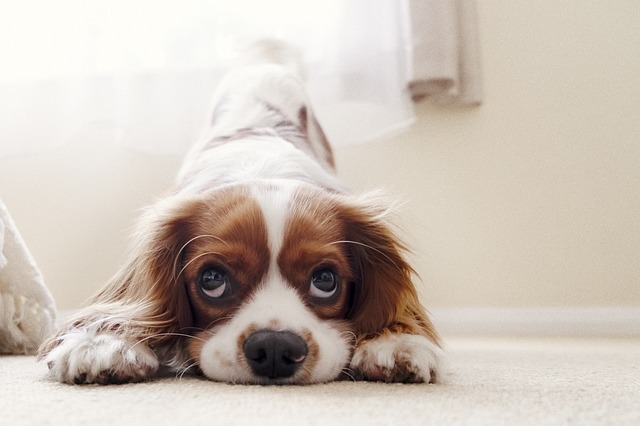
Many new puppy owners make the mistake of expecting their pets to learn too quickly, leading to frustration and confusion. It’s essential to recognize that puppies have small bladders and may need to go out every hour or so, especially during the early weeks. Keeping a close eye on your puppy for signs they need to relieve themselves, such as sniffing or circling, can help prevent accidents in the house.
Another common pitfall is the use of negative reinforcement for accidents. Instead, focus on redirecting your puppy’s behavior positively. If an accident occurs indoors, clean it up without fuss, and take your puppy outside immediately afterward. This approach fosters a supportive learning environment and builds trust between you and your puppy.
Understanding Your Puppy’s Needs
Every puppy is unique, and understanding their specific needs is vital for successful potty training. Puppies typically need to relieve themselves after eating, drinking, or waking from a nap. Recognizing these cues can help you anticipate when to take your puppy outside.
Different breeds may also have varying needs regarding potty frequency and training responsiveness. For instance, smaller breeds may need more frequent potty breaks than larger ones. Observing your puppy’s behavior and adjusting your approach accordingly can significantly enhance the training experience.
Additionally, environmental factors such as weather can affect a puppy’s willingness to go outside. In inclement weather, some puppies may be hesitant to relieve themselves. In such cases, consider using positive reinforcement to encourage them to go out, regardless of the conditions.
Establishing a Potty Routine
Establishing a consistent potty routine is crucial for effective training. Take your puppy out first thing in the morning, after meals, and before bedtime. This schedule helps your puppy learn when they are expected to relieve themselves.
Using a specific command, such as “go potty,” can also help your puppy associate the phrase with the action. Consistently using the same command will aid in their understanding and create a predictable routine.
Additionally, consider designating a specific potty area in your yard. This consistency helps your puppy understand where it is appropriate to relieve themselves. Over time, they will learn to associate that area with potty time.
Common Mistakes to Avoid
One of the most significant mistakes new puppy owners make is scolding their pets for accidents. Puppies do not connect the punishment with their behavior, which can lead to fear and anxiety. Instead, focus on positive reinforcement when they do go outside.
Another common error is not supervising the puppy closely enough indoors. Puppies should be monitored to catch any signs that they need to go out. If you cannot supervise them, consider using a crate to prevent accidents.
Additionally, allowing your puppy to roam freely in the house without supervision can lead to accidents and confusion about where it is acceptable to relieve themselves. Establishing boundaries and using a crate can help reinforce good habits.
Using Crate Training Effectively
Crate training can be an effective method for potty training your puppy. A crate provides a safe space for your puppy and encourages them to hold their bladder since dogs naturally avoid soiling their sleeping area.
Introduce the crate gradually, making it a positive experience by using treats and praise. Ensure the crate is not too large, as a spacious crate may encourage your puppy to use one corner as a bathroom.
While crate training can be beneficial, it is essential not to leave your puppy in the crate for extended periods. Puppies need regular breaks to relieve themselves and socialize. Balance crate time with playtime and potty breaks.
Troubleshooting Potty Training Issues
If your puppy struggles with potty training, it may be due to several factors, including health issues, anxiety, or lack of routine. If you notice persistent accidents, consult a veterinarian to rule out any medical concerns.
Consistency is crucial in potty training. If your puppy is confused about where to relieve themselves, it may be due to inconsistent routines or commands. Ensure everyone in the household uses the same commands and routines to avoid mixed signals.
In some cases, anxiety may hinder your puppy’s ability to relieve themselves outdoors. If your puppy seems fearful of the outdoors, work on building their confidence gradually. Encourage exploration and playtime outside to create positive associations.
Further Reading
Authoritative Sources
- Potty Training Your Puppy
akc.orgThis resource from the American Kennel Club provides a comprehensive overview of effective potty training strategies for puppies
- Humane Society’s Guide to Potty Training
humanesociety.orgA practical guide focusing on humane training methods that promote positive reinforcement
- Dog Training Nation: Potty Training Tips
dogtrainingnation.comOffers expert advice on common potty training challenges and solutions
Frequently Asked Questions
How long does it take to potty train a puppy?
Potty training can take anywhere from a few weeks to several months, depending on the puppy’s age, breed, and consistency of training.
What should I do if my puppy has an accident indoors?
Remain calm and clean up the mess without punishment. Take your puppy outside immediately after to reinforce where they should go.
Can I use puppy pads for potty training?
Puppy pads can be useful for indoor training, especially in apartments, but they may confuse some puppies about where it is acceptable to relieve themselves.
What if my puppy refuses to go outside?
If your puppy is hesitant to go outside, try encouraging them with treats or toys, or gradually acclimate them to the outdoors.
Is it okay to scold my puppy for accidents?
No, scolding can create fear and confusion. Focus on positive reinforcement for correct behavior instead.
Conclusion
Successfully potty training your new puppy requires patience, consistency, and understanding. By establishing a routine, recognizing your puppy’s needs, and avoiding common pitfalls, you can create a positive learning environment. Remember, each puppy learns at their own pace, so stay committed and supportive throughout the process. Focus on rewarding good behavior and gradually building your puppy’s confidence in their ability to potty outside. With dedication, you will foster a well-trained and happy companion.