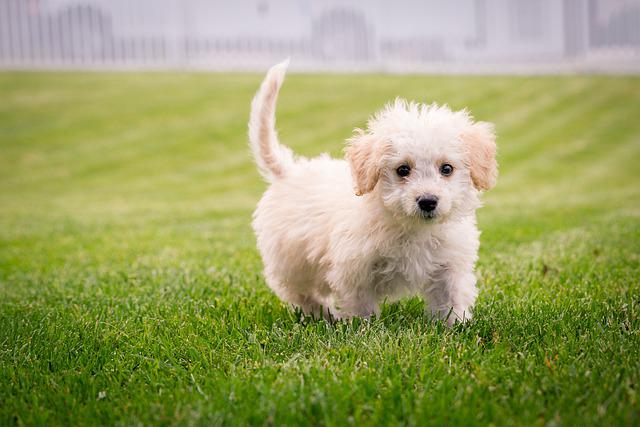
To handle puppy snapping during grooming, immediately stop the grooming session to prevent escalation. This behavior often stems from fear or discomfort, so it’s crucial to identify the underlying cause. Gradually desensitize your puppy to grooming tools and establish a positive association with the process. If snapping continues, consulting a professional trainer may be necessary.
Puppies can snap during grooming for various reasons, including anxiety, fear of the grooming tools, or pain from improper handling. Understanding these triggers is essential for addressing the problem effectively. Many owners mistakenly believe that grooming should be a straightforward process, but it requires patience and proper techniques to ensure a positive experience for the puppy. Prioritizing comfort and safety during grooming can significantly reduce snapping incidents.
It’s important to recognize that snapping may not always indicate aggression; it can be a sign of stress or a need for reassurance. When a puppy feels threatened, its instinct may be to snap as a defense mechanism. Therefore, creating a calm environment, using gentle handling techniques, and allowing the puppy to explore grooming tools at their own pace can help in reducing anxiety. Gradually introducing grooming sessions and rewarding positive behavior can also be beneficial.
Understanding the Cause of Snapping
Identifying the cause of snapping is the first step in addressing it. Common reasons include fear of the grooming process, discomfort from improper handling, or negative past experiences. Puppies may also snap when they feel restrained or if they are startled by sudden movements. Recognizing these triggers allows owners to adjust their approach and create a more comfortable grooming environment.
Many owners assume that their puppy will naturally adapt to grooming without any issues. However, this assumption can lead to misunderstandings about the puppy’s feelings and responses. It’s essential to pay attention to body language and vocalizations, as these can signal discomfort or anxiety. By understanding the root cause of snapping, owners can take proactive steps to mitigate it.
Desensitization Techniques for Grooming
Desensitization is a technique used to gradually accustom puppies to grooming tools and processes. Start by introducing the tools in a non-threatening manner, allowing your puppy to sniff and investigate them. Pair this exposure with treats and praise to create positive associations.
One effective method is to begin with short grooming sessions focused on one area of the body at a time. For example, start by brushing the puppy’s back and gradually work your way to more sensitive areas like the paws and face. Keeping sessions brief and positive helps prevent overwhelming the puppy and reduces the likelihood of snapping.
Establishing a Positive Grooming Routine
Creating a consistent grooming routine can help puppies feel more secure and less anxious. Schedule regular grooming sessions and stick to a predictable sequence of activities. This routine allows puppies to understand what to expect, reducing fear and anxiety.
During grooming, use calming techniques such as soft voices and gentle touches. Incorporating breaks and allowing the puppy to play or relax between grooming tasks can also help maintain a positive experience. Additionally, utilizing high-value treats during grooming can reinforce good behavior and create a more enjoyable atmosphere.
When to Seek Professional Help
If snapping persists despite your efforts, it may be time to seek professional help. A certified dog trainer or behaviorist can provide tailored strategies to address specific concerns. They can assess the puppy’s behavior in a controlled environment and offer guidance on effective training techniques.
Professional trainers can also help identify any underlying issues that may contribute to snapping, such as fear or past trauma. Early intervention can help prevent more severe behavioral problems in the future and ensure a positive grooming experience for both the puppy and the owner.
For those interested in exploring more about puppy grooming and handling techniques, consider checking resources from reputable dog training organizations or veterinary behaviorists. These can provide deeper insights into behavioral issues and effective handling strategies.
Frequently Asked Questions
Why does my puppy snap during grooming?
Puppies may snap during grooming due to fear, discomfort, or anxiety related to the grooming process or tools.
How can I prevent my puppy from snapping during grooming?
To prevent snapping, use desensitization techniques, establish a positive grooming routine, and ensure the puppy feels safe and comfortable.
When should I seek professional help for my puppy’s snapping behavior?
If snapping persists despite your efforts, or if you notice signs of severe anxiety or aggression, seek help from a certified trainer.
What are some common mistakes owners make during grooming?
Common mistakes include rushing the process, using harsh handling techniques, and failing to recognize the puppy’s discomfort or stress signals.
How often should I groom my puppy?
The grooming frequency depends on the puppy’s breed and coat type, but generally, regular grooming every few weeks is beneficial.
Conclusion
Handling puppy snapping during grooming requires understanding the behavior’s underlying causes and implementing effective desensitization techniques. Prioritizing a positive grooming experience through gradual exposure, consistent routines, and professional guidance when needed can help alleviate anxiety and ensure a smoother process for both the puppy and the owner. By addressing these issues early, you can foster a trusting relationship that makes grooming a much more enjoyable experience.