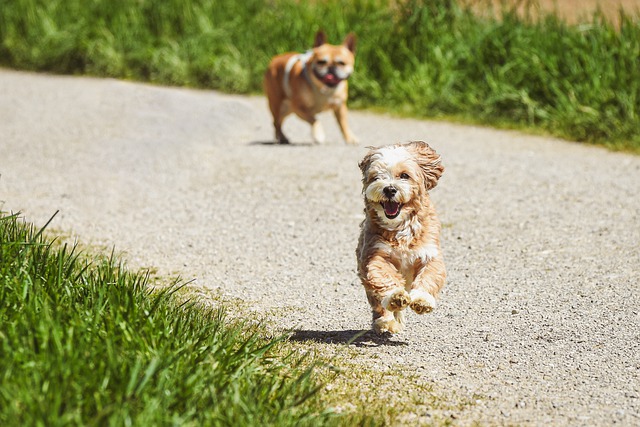
When a puppy refuses the leash and freezes outside, it often stems from fear or anxiety related to unfamiliar environments or the leash itself. Addressing this issue requires a structured approach to help your puppy feel more comfortable and secure in outdoor settings. Failure to address this behavior can lead to prolonged anxiety, making future walks even more challenging.
Many owners mistakenly assume that simply forcing the puppy to walk will resolve the issue. However, this can exacerbate the fear and cause more resistance. Instead, focus on creating positive associations with the leash and outdoor experiences. Start with short sessions where the puppy can explore their surroundings at their own pace, gradually introducing the leash in a calm and reassuring manner.
Understanding the Root Causes
Puppies may freeze when confronted with the leash or the outdoors due to fear of the unknown or negative past experiences. It’s crucial to recognize that this behavior is a form of stress response. Identifying the specific triggers, such as loud noises, unfamiliar sights, or abrupt movements, can guide your training approach. By understanding what causes the freezing behavior, you can tailor your training to effectively address those fears.
For instance, if your puppy reacts negatively to other dogs or people, it may be beneficial to choose quieter areas for initial outings. Gradually increasing exposure to these triggers in a controlled manner can help your puppy build confidence. Remember, the goal is to create a safe space where your puppy feels secure and can explore without fear.
Desensitization Techniques for Leash Training
Desensitization is a powerful technique to help your puppy become accustomed to the leash. Start by allowing your puppy to interact with the leash in a safe environment, rewarding them with treats or praise when they show curiosity. Gradually introduce the leash while keeping sessions short and positive. This process should involve letting your puppy wear the leash indoors before attempting outdoor walks.
Employing a harness instead of a collar can also provide a sense of security for some puppies. As you progress, practice gentle leash pressure by allowing your puppy to explore while you hold the end of the leash, ensuring they do not feel restrained. This method encourages them to move naturally while building their confidence.
Creating Positive Associations with the Outdoors
To combat the freezing behavior, it’s essential to create enjoyable outdoor experiences for your puppy. Begin with short outings, rewarding them frequently for any movement towards the leash or outside. Use high-value treats or favorite toys to engage your puppy’s interest in the environment. The goal is to associate the outdoors with fun and positive experiences.
Consider planning outings during quieter times of the day when there are fewer distractions. This strategy allows your puppy to acclimate to the environment at their own pace. Gradually increase the duration of these outings as your puppy becomes more comfortable, ensuring that each experience is rewarding and stress-free.
Common Mistakes to Avoid
One common mistake is pulling or dragging your puppy when they refuse to move. This can increase their fear and create a negative association with the leash and outdoor experiences. Instead, focus on patience and encouragement. Another mistake is not recognizing the signs of stress, such as excessive panting, tail tucking, or cowering. Being attuned to your puppy’s body language will help you adjust your approach in real-time.
Additionally, rushing the training process can lead to setbacks. Ensure that you take the time your puppy needs to adjust. Consistency, patience, and positive reinforcement are key to successfully overcoming the freezing behavior.
Frequently Asked Questions
Why does my puppy freeze when I put the leash on?
Your puppy may freeze due to fear or anxiety associated with the leash or the outdoor environment.
What should I do if my puppy refuses to walk on a leash?
Gently encourage your puppy with treats and positive reinforcement, allowing them to explore at their own pace.
How can I help my puppy feel comfortable outside?
Start with short outings in quiet areas, rewarding your puppy for any movement and using high-value treats.
Is it bad to force my puppy to walk on a leash?
Yes, forcing your puppy can increase their anxiety and create negative associations with walking and the leash.
How long does it take for a puppy to get used to a leash?
It varies by puppy, but with consistent, positive training, many puppies can adjust within a few weeks.
Conclusion
Addressing the issue of a puppy refusing the leash and freezing outside requires understanding their fears and using positive reinforcement techniques. Focus on desensitization and creating enjoyable outdoor experiences, while avoiding common pitfalls like forcing movement. By prioritizing patience and gradual exposure, you can help your puppy build the confidence they need to enjoy walks and outdoor adventures. Start today and be mindful of your puppy’s progress, making adjustments as needed to ensure a positive experience.