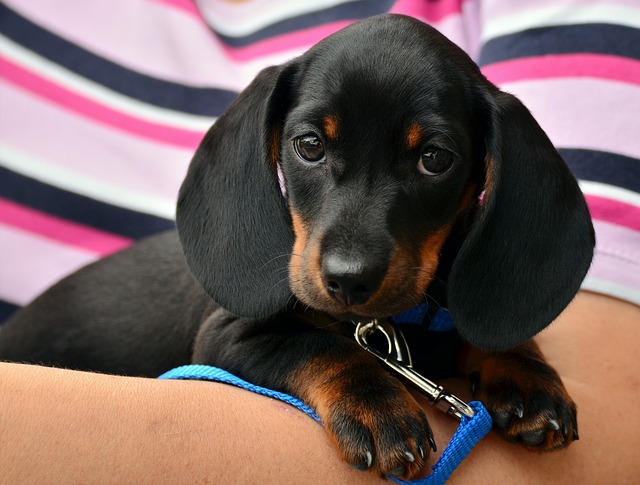
Puppies often pee in their crate during daytime naps due to a lack of bladder control and inadequate potty training. This behavior can be frustrating for owners, but understanding the underlying causes and implementing effective solutions can help resolve the issue.
One primary reason for this behavior is that young puppies have not yet developed full control over their bladders. As their bodies grow, they will gradually gain the ability to hold their urine for longer periods. However, this process requires time and patience from both the puppy and the owner. Additionally, if a puppy has not been given sufficient opportunities to relieve itself before being crated, it may resort to peeing in the crate.
Another factor to consider is the size of the crate. If it is too large, a puppy may feel comfortable using one corner as a bathroom. The crate should be just big enough for the puppy to stand up, turn around, and lie down comfortably. This setup encourages the puppy to keep its sleeping area clean.
Understanding Puppy Bladder Control
Puppy bladder control varies significantly based on age and breed. Generally, puppies can hold their bladder for about one hour for every month of age, up to a maximum of about 8 hours for older puppies. For example, a 3-month-old puppy may only be able to hold its bladder for about 3 hours. This limitation means that naps longer than this duration can result in accidents.
Owners should be aware of their puppy’s individual needs and adjust crate time accordingly. Regular potty breaks, especially after meals, playtime, and before naps, can help reduce the likelihood of accidents in the crate. Observing your puppy’s behavior can also provide insights into their potty needs, as signs of restlessness or whining often indicate the need to go outside.
Crate Size and Setup
The crate’s size plays a crucial role in potty training success. A crate that is too large may give the puppy the option to use one corner while keeping the other side clean. To prevent this, choose a crate that is appropriately sized for your puppy. If unsure, you can use dividers to adjust the space as your puppy grows.
Moreover, ensuring the crate is a positive environment is essential. Make it comfortable with soft bedding and safe toys, which can help alleviate anxiety during naptime. A crate that feels secure and inviting may reduce the likelihood of accidents due to stress or discomfort.
Potty Training Techniques
Implementing effective potty training techniques can significantly reduce the chances of a puppy peeing in its crate. Start by establishing a consistent routine for potty breaks. Take your puppy outside frequently, especially after eating, drinking, or waking up from a nap.
Positive reinforcement is key in training. Praise and reward your puppy with treats when it successfully eliminates outside. This encourages the desired behavior and helps the puppy associate outdoor potty breaks with positive outcomes.
Common Mistakes to Avoid
Many owners make mistakes that can hinder effective potty training. One common error is not providing enough opportunities for the puppy to relieve itself before crating. Ensure to take your puppy out just before crating, especially if it has been a while since the last potty break.
Another mistake is scolding the puppy for accidents in the crate. This can create anxiety around potty training and make the issue worse. Instead, focus on reinforcing positive behavior and maintaining a calm, supportive environment.
For additional insights on crate training and puppy care, consider exploring resources from reputable veterinary organizations or puppy training experts. Websites like the American Kennel Club or local animal behaviorists can provide valuable information tailored to your puppy’s specific needs.
Frequently Asked Questions
Why is my puppy peeing in the crate during naps?
Puppies often pee in their crate during naps due to immature bladder control and not being given enough opportunities to relieve themselves beforehand.
How can I stop my puppy from peeing in the crate?
To prevent your puppy from peeing in the crate, ensure it has regular potty breaks, use an appropriately sized crate, and reinforce positive potty behavior.
What is the best crate size for my puppy?
The best crate size allows your puppy to stand, turn around, and lie down comfortably without extra space to encourage peeing in one corner.
How often should I take my puppy out to potty?
Take your puppy out every hour for each month of age, plus additional breaks after meals, playtime, and naps.
Can stress cause my puppy to pee in the crate?
Yes, stress can lead to accidents in the crate. Ensure your puppy feels safe and comfortable in its environment to reduce anxiety-related issues.
Conclusion
Puppies peeing in their crate during daytime naps is a common issue rooted in immature bladder control and insufficient potty training. Owners can effectively address this behavior by ensuring regular potty breaks, using appropriately sized crates, and reinforcing positive elimination habits. Understanding your puppy’s needs and maintaining a calm, supportive environment will aid in their training journey. With patience and consistency, accidents can be minimized, leading to a happier and healthier puppy.