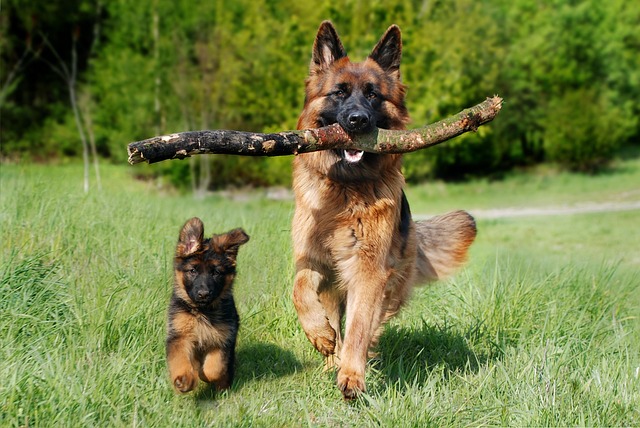
To improve your puppy not responding to their name consistently, ensure you are using positive reinforcement when calling them. Ignoring this method may lead to your puppy developing a habit of ignoring commands, making training more difficult. Focus on creating a strong association between their name and positive experiences, such as treats or playtime. Consistency in practice and timing is crucial for effective training outcomes.
The ability of a puppy to respond to their name is fundamental for successful training and safety. If your puppy frequently ignores their name, it can indicate a lack of engagement or understanding. This inconsistency can stem from various factors, including distractions in the environment, insufficient positive reinforcement, or a failure to establish a clear connection between their name and your commands. Understanding these issues is essential in addressing the problem effectively.
Understanding the Importance of Name Recognition
Name recognition is critical for a puppy’s overall training and behavior. When a puppy learns to respond to their name, it not only facilitates communication but also enhances safety. A puppy that does not respond to their name may not come when called, which can lead to dangerous situations, especially in public spaces. Establishing a strong name recognition can help mitigate risks and improve training outcomes.
Furthermore, name recognition can enhance the bond between the puppy and their owner. When a puppy consistently responds to their name, it signifies trust and engagement, which are crucial for effective training. Therefore, making the effort to reinforce this recognition is essential for both safety and the development of a positive relationship.
Common Reasons for Inconsistent Responses
There are several reasons why a puppy may not respond to their name consistently. One of the most common issues is distraction. Puppies are naturally curious and may become easily sidetracked by their surroundings, making it difficult for them to focus on their name. Another reason could be that the puppy has not yet formed a strong association between their name and positive experiences.
Additionally, inconsistent training methods can lead to confusion. If different family members use varying tones or commands when calling the puppy, it may result in mixed signals. This inconsistency can hinder the puppy’s ability to recognize and respond to their name effectively. Understanding these factors is essential for rectifying the issue and improving response rates.
Effective Training Techniques
Implementing effective training techniques can significantly improve your puppy’s response to their name. One of the most effective methods is positive reinforcement. Each time the puppy responds to their name, reward them with a treat or praise. This creates a positive association with their name, encouraging them to respond more consistently.
Another technique is to practice in a distraction-free environment initially. Start in a quiet room and gradually introduce distractions as your puppy becomes more reliable in responding to their name. Consistent practice in varied environments will help solidify their learning and adaptability.
Building a Strong Association with Their Name
To build a strong association with their name, you should use it frequently during positive interactions. Call your puppy’s name during playtime, feeding, or when giving treats. This helps your puppy associate their name with positive outcomes, reinforcing their learning.
Moreover, avoid using their name in negative contexts, such as scolding or reprimanding. This could lead to a negative association, making them reluctant to respond. Instead, focus on creating enjoyable experiences tied to their name, fostering a more responsive and engaged puppy.
Frequently Asked Questions
Why isn’t my puppy responding to their name?
Your puppy may not be responding to their name due to distractions, insufficient training, or negative associations. Ensuring positive reinforcement and consistent practice can help address this issue.
How can I improve my puppy’s name recognition?
To improve name recognition, use positive reinforcement techniques by rewarding your puppy when they respond to their name. Consistent use in positive contexts will strengthen their association.
Should I use my puppy’s name when correcting them?
No, avoid using your puppy’s name in negative contexts. This can create a negative association, making them less likely to respond positively in the future.
What if my puppy only responds when they feel like it?
This behavior may indicate a lack of strong association with their name. Increase the frequency of rewards and practice in various environments to enhance their responsiveness.
How long does it take for a puppy to learn their name?
Typically, it can take a few days to several weeks for a puppy to learn their name, depending on the consistency of training and positive reinforcement used.
Conclusion
Ultimately, addressing the issue of a puppy not responding to their name consistently requires a combination of positive reinforcement, consistent training, and building a strong association with their name. Prioritize creating enjoyable experiences tied to their name and avoid negative contexts that could hinder their responsiveness. With patience and consistent practice, you can foster a more engaged and responsive puppy, ensuring better communication and safety in various environments.