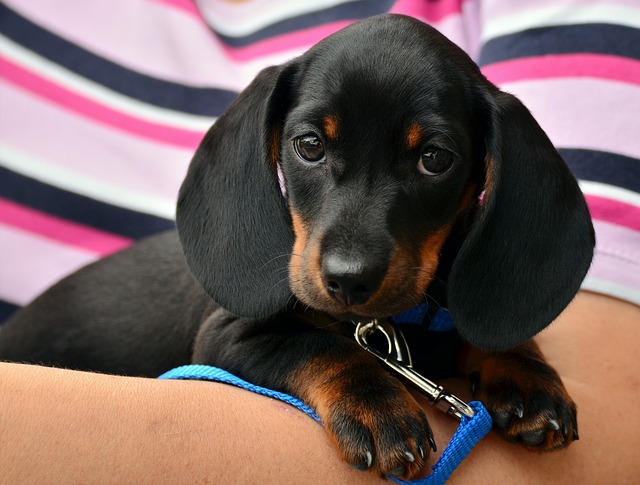
Understanding the reasons behind this nipping is vital. Puppies often nip as a form of play or to seek attention. Their natural instincts drive them to chase and bite, which can be particularly prominent in high-energy breeds. However, without proper guidance, this playful behavior can escalate into problematic habits. Owners must recognize that nipping can also be a sign of excitement or anxiety, particularly in new environments. Therefore, managing their energy and providing appropriate outlets for play can significantly reduce nipping behavior.
Understanding Puppy Behavior
Puppies nipping at ankles can be attributed to their innate behaviors and development stages. This biting often reflects their exploration of the world around them and their desire for interaction. Understanding this behavior is essential for addressing it effectively. Puppies, especially those under six months, are learning to navigate their environment, and nipping is a way for them to engage.
To manage this behavior, it’s important to identify triggers that lead to nipping. For example, if your puppy nips when they’re excited or anxious, recognizing these moments can help you intervene early. Providing a safe space for your puppy to release energy, such as designated play areas, can also prevent them from targeting your ankles.
Training Techniques to Curb Nipping
Implementing consistent training techniques is crucial for curbing nipping behavior. One effective method is to teach your puppy the “leave it” command, which can redirect their focus away from your ankles. This command not only helps with nipping but also promotes overall obedience.
When your puppy begins to nip, calmly say “no” and redirect them to a toy or another acceptable object. Consistency in this approach is vital; if you give mixed signals, your puppy may not understand what is expected. Additionally, rewarding your puppy with treats or praise when they respond positively reinforces good behavior.
Alternative Play Methods
Providing alternative play methods can significantly reduce nipping at ankles. Incorporate interactive toys or games that require your puppy to use their energy constructively. Activities like fetch or tug-of-war can channel their excitement and reduce the urge to nip.
Structured playtime not only engages your puppy but also strengthens the bond between you. Consider scheduling regular play sessions to help your puppy learn appropriate play behavior. This not only helps with energy management but also fosters a sense of routine for your puppy.
When to Seek Professional Help
If nipping becomes excessive or aggressive, it may be time to seek professional help. A certified dog trainer or behaviorist can provide tailored strategies and insights based on your puppy’s specific needs. They can help identify underlying behavioral issues that may contribute to nipping.
Early intervention is key in addressing problematic behaviors. If you notice signs of aggression or if your puppy is not responding to training, consulting with a professional can prevent further complications.
Frequently Asked Questions
Why does my puppy nip at my ankles?
Puppies nip at ankles primarily due to their playful nature and instinctive behavior. They may see it as a form of play or an invitation to engage with you.
How can I stop my puppy from nipping?
To stop your puppy from nipping, consistently redirect their behavior to appropriate toys and employ positive reinforcement techniques during training sessions.
Is puppy nipping normal?
Yes, puppy nipping is normal behavior as they explore their environment and engage with their surroundings. However, it should be managed to prevent it from becoming a habit.
When should I seek professional help for my puppy’s nipping?
If your puppy’s nipping becomes aggressive or unmanageable, it’s advisable to consult a professional trainer for tailored guidance.
What are some alternatives to prevent nipping?
Engaging your puppy in interactive play, providing chew toys, and establishing a structured routine can effectively reduce nipping behavior.