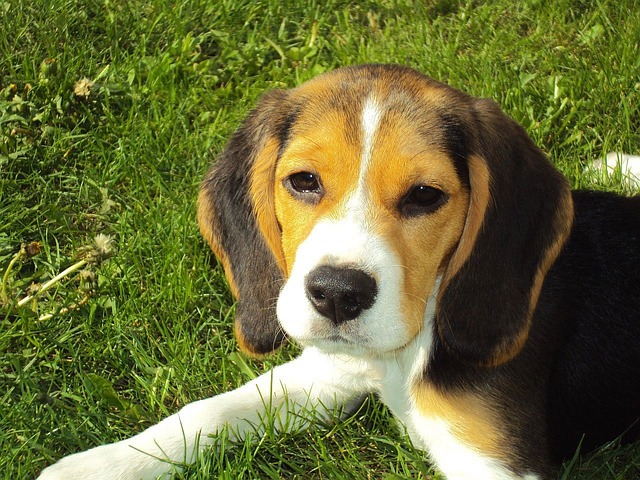
Many owners mistakenly believe that treats are the only effective way to train their puppies. While treats are a valuable tool, relying solely on them can lead to a lack of responsiveness when they are not present. It’s crucial to incorporate other forms of motivation, such as verbal praise, affection, and playtime, to create a well-rounded training experience. This approach not only helps in maintaining the puppy’s interest but also reinforces the bond between the owner and the pet.
Recognizing the Problem
When puppies ignore commands without treats, it’s essential to recognize the underlying issues at play. Often, this behavior signals that the puppy has not yet fully learned the command or that the training has not been consistent. Puppies may also be distracted by their environment or simply testing boundaries. Understanding these factors can help you tailor your approach to their training needs.
To improve command responsiveness, owners should assess their training consistency and the clarity of commands given. If a puppy is confused about what is expected, it will likely disengage. Regular practice in different environments and situations can help solidify the commands in the puppy’s mind, ensuring they learn to respond even when treats are not present.
Effective Training Techniques
Incorporating varied training techniques can significantly enhance a puppy’s responsiveness to commands. Use a mix of positive reinforcement strategies, including verbal praise, physical affection, and interactive play, alongside treats. This approach helps the puppy associate commands with various rewards, making them more likely to comply even when treats are not involved.
Engaging in training sessions that are short but frequent can also maintain a puppy’s interest. Ideally, practice commands in a fun and playful manner, using toys or games to keep the puppy engaged. This not only makes training enjoyable but also reinforces the importance of listening and responding to commands.
Building Engagement Without Treats
To ensure a puppy remains responsive to commands even when treats are absent, focus on building a strong emotional connection. Spend quality time playing, cuddling, and bonding with your puppy outside of training sessions. This connection can motivate them to listen to you, as they will want to please you beyond just receiving treats.
Additionally, consider using a clicker as a form of communication that signals when the puppy has done something right. This method can help bridge the gap when treats are not available, as the click sound can still be associated with positive outcomes.
Common Mistakes to Avoid
Owners often make several common mistakes that can hinder their puppy’s training progress. One significant error is using treats inconsistently. If a puppy receives treats sporadically for the same command, it may not understand the expected behavior. It’s also crucial to avoid showing frustration when a puppy doesn’t respond; this can create anxiety and further disengagement.
Another mistake is not varying the training environment. Puppies can become accustomed to responding only in specific settings where treats are present. Practicing commands in diverse locations and situations can help solidify their understanding and improve overall obedience.
For those looking for more information, consider exploring resources on positive reinforcement training methods and behavioral psychology in dogs. Understanding how to motivate your puppy without relying solely on treats can lead to a more well-rounded and responsive pet.
Frequently Asked Questions
Why does my puppy ignore commands when treats are not present?
Puppies may ignore commands without treats due to a lack of understanding or reliance on treats for motivation.
How can I get my puppy to listen without treats?
Engage your puppy with play, praise, and affection to reinforce commands without relying solely on treats.
Is it bad to use treats for puppy training?
Treats are effective for training, but over-reliance can lead to issues when they are not available.
What are some alternative rewards for training?
Alternative rewards include verbal praise, petting, and interactive play that can motivate your puppy.
How can I improve my puppy’s focus during training?
Keep training sessions short, engaging, and varied to maintain your puppy’s interest and focus.
Conclusion
Addressing a puppy’s tendency to ignore commands when treats are removed requires a multifaceted approach. By understanding the underlying causes and implementing varied training techniques, you can create a more responsive and obedient puppy. Focus on building a strong bond through play and praise, while gradually reducing treat dependency. With consistent practice and patience, your puppy will learn to respond to commands regardless of the presence of treats.