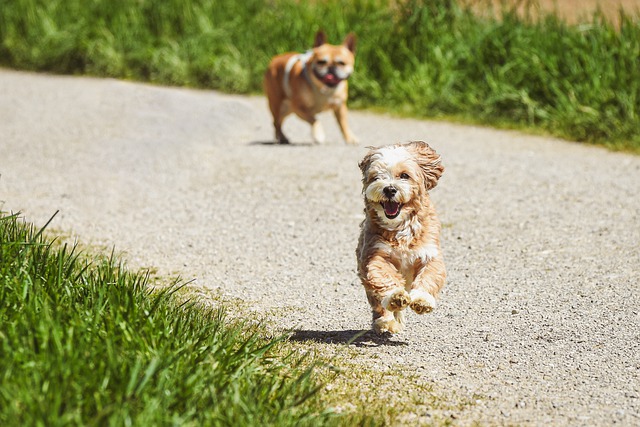
Puppy house training mistakes most owners make often stem from a lack of consistency and understanding of canine behavior. For instance, many new puppy owners underestimate the importance of a regular bathroom schedule, which can lead to accidents indoors. Additionally, failing to supervise their puppies can result in missed opportunities for successful training.
Another common mistake is not providing adequate reinforcement when the puppy does go outside. Positive reinforcement is crucial in helping your puppy learn what is expected of them. Simply scolding your puppy for accidents without offering rewards for correct behavior can create confusion and anxiety.
Inconsistent Potty Schedules
One of the most significant training errors is having an inconsistent potty schedule. Puppies thrive on routine, and establishing a regular bathroom schedule helps them learn when and where to go. Without a set schedule, puppies may not understand when it’s time to relieve themselves, leading to more indoor accidents.
To avoid this mistake, try to take your puppy outside at the same times every day, such as after meals, after playtime, and first thing in the morning. Keeping a log of your puppy’s bathroom habits can help you identify patterns and adjust your schedule accordingly.
Lack of Supervision
Another common pitfall is allowing puppies too much freedom in the house. Without supervision, puppies can easily get into trouble, leading to accidents and reinforcing undesirable behaviors. It’s essential to keep a close eye on your puppy, particularly during the early stages of house training.
Using a crate can be an effective method for managing your puppy’s freedom. When you can’t supervise, confine them to a safe space where accidents can be easily managed. This not only keeps your puppy safe but also reinforces their understanding of where it’s appropriate to go.
Ignoring Signs of Need
Puppies often exhibit specific behaviors when they need to go outside, such as whining, circling, or sniffing around. Ignoring these signs can lead to accidents and frustration for both the puppy and the owner. Recognizing these cues is crucial for successful house training.
When you notice these signs, act quickly to take your puppy outside. This reinforces their behavior and encourages them to communicate their needs effectively. The more you respond promptly, the more your puppy will learn to signal when they need to go.
Inadequate Reinforcement
Failing to provide adequate positive reinforcement can hinder your puppy’s house training progress. Many owners make the mistake of only acknowledging their puppy when they have an accident indoors, which can lead to anxiety and confusion about what is expected.
Instead, celebrate your puppy’s successes when they go outside. Use treats, praise, or playtime as rewards to reinforce the desired behavior. This positive association helps your puppy understand that going outside is the right choice.
Frequently Asked Questions
What is the most common mistake in puppy house training?
The most common mistake is inconsistency in potty schedules, which can confuse puppies about when and where they should relieve themselves.
How often should I take my puppy outside?
Puppies should generally be taken outside every 1-2 hours, as well as after meals, playtime, and waking up.
What should I do if my puppy has an accident indoors?
Clean the area thoroughly to eliminate odors and avoid scolding your puppy. Instead, focus on reinforcing good behavior when they go outside.
How can I tell if my puppy needs to go out?
Look for signs such as whining, pacing, sniffing the ground, or circling. These behaviors indicate that your puppy needs to relieve themselves.
What is the best way to reinforce good behavior?
Use positive reinforcement like treats, verbal praise, or playtime to reward your puppy immediately after they go outside. This helps them associate going out with positive outcomes.
Conclusion
To successfully house train your puppy, focus on establishing a consistent routine, providing adequate supervision, and recognizing your puppy’s signals. Avoid common mistakes such as neglecting positive reinforcement and allowing too much freedom. By prioritizing these strategies, you can create an effective training environment that fosters good habits and strengthens your bond with your puppy.