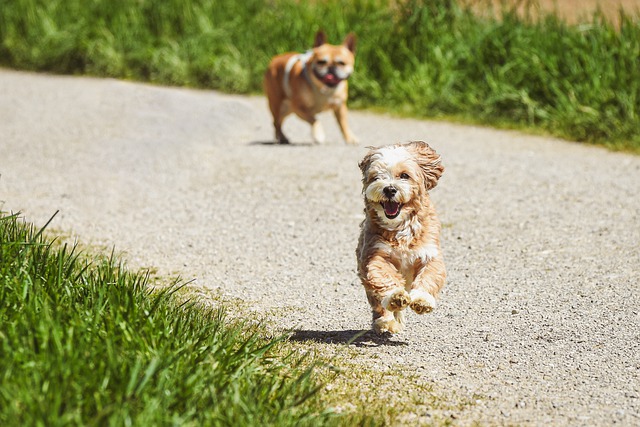
Puppy barking at other dogs on walks is a common issue that can be effectively managed with the right approach. By redirecting your puppy’s attention using treats or commands, you can mitigate this behavior and create a more enjoyable walking experience for both of you. If left unaddressed, this barking can escalate, leading to more significant challenges in public settings.
Many owners mistakenly believe that ignoring the barking will resolve the issue, but this often results in increased anxiety for the puppy and a breakdown in communication between owner and pet. Instead, prioritize immediate corrective actions that reinforce positive behavior and discourage barking. Consistently rewarding calm behavior around other dogs will help your puppy learn to focus on you rather than the distractions around them.
Understanding the Root Causes of Barking
When a puppy barks at other dogs, it can stem from various motivations such as fear, excitement, or a desire to play. Recognizing these triggers is crucial for addressing the behavior effectively. For instance, a puppy may bark out of fear when encountering larger dogs or may be overly excited to meet new friends.
Understanding your puppy’s specific triggers allows you to tailor your training approach. For example, if your puppy barks out of fear, gradually exposing them to other dogs in controlled environments can help reduce anxiety. If excitement is the cause, redirecting their focus with treats or toys can help them learn to remain calm.
Effective Training Techniques
To manage a puppy barking at other dogs, implement specific training techniques that promote calm behavior. Start with basic commands such as “sit” or “stay” to establish control during walks. Reward your puppy for adhering to these commands, especially when other dogs are nearby.
Incorporating positive reinforcement is essential. For example, when your puppy remains quiet while passing another dog, immediately reward them with a treat or praise. This reinforces the desired behavior and helps your puppy associate walking calmly with positive outcomes. Consistency is critical, so practice these commands regularly to build a strong foundation.
Managing Distractions During Walks
Walking in environments with many distractions can be challenging for puppies. To minimize barking, choose quieter routes for initial training sessions. This allows your puppy to practice commands without overwhelming stimuli.
Gradually introduce more distractions as your puppy becomes more comfortable. If your puppy begins to bark, calmly redirect their attention back to you using treats or toys. This method helps them learn to focus on you rather than the distractions around them, making walks more enjoyable.
Building Confidence in Your Puppy
A confident puppy is less likely to bark excessively. Engage in socialization activities, such as puppy classes or supervised playdates, to help your puppy build confidence around other dogs. This exposure teaches them how to interact appropriately and reduces fear-based barking.
Additionally, provide mental stimulation through puzzle toys or training exercises at home. A mentally engaged puppy is often calmer on walks, which can significantly reduce barking behavior. Combine these activities with regular exercise to promote a balanced, well-rounded puppy.
Frequently Asked Questions
Why does my puppy bark at other dogs?
Puppies may bark at other dogs due to excitement, fear, or a desire to play. Understanding the underlying motivation can help you address the behavior effectively.
What should I do when my puppy barks at other dogs?
Redirect your puppy’s attention using treats or commands. Reward calm behavior to reinforce positive associations with other dogs.
How can I stop my puppy from barking on walks?
Use positive reinforcement techniques to reward calm behavior. Practice commands like “sit” or “stay” to help manage their focus during walks.
Is it normal for puppies to bark?
Yes, barking is a natural form of communication for puppies. However, excessive barking can indicate anxiety or lack of training.
How can socialization help with barking?
Socialization exposes your puppy to various environments and dogs, helping reduce fear and anxiety. This can lead to more appropriate responses to other dogs.